
Products Knowledge
How Fruit Juice OEM Suppliers Ensure Consistent Quality
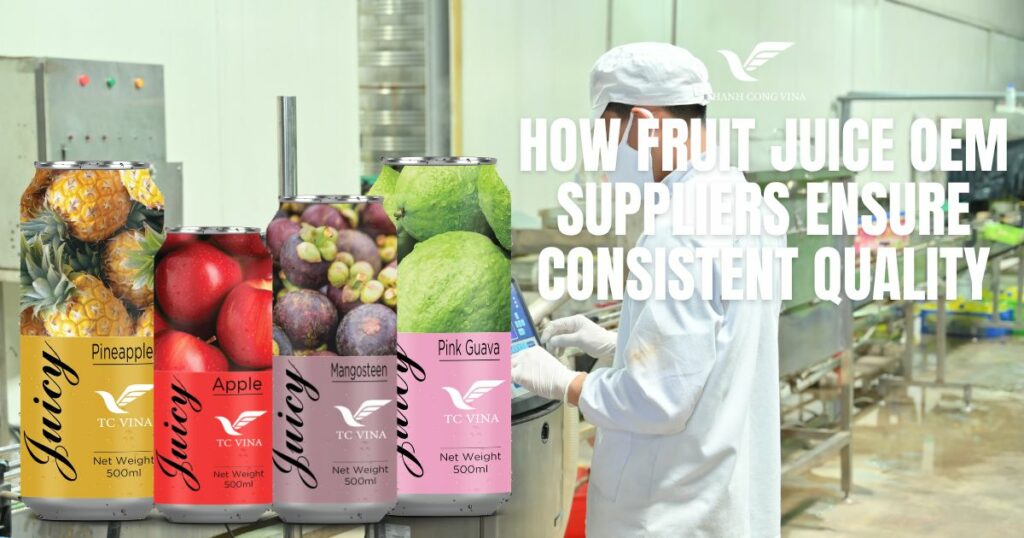
Mar
In the highly competitive global beverage industry, maintaining consistent product quality is essential for long-term brand success. Consumers expect every bottle or can of fruit juice to deliver the same taste, color, freshness, and nutritional value regardless of where or when it is produced. For beverage brands working with manufacturing partners, ensuring this consistency becomes a critical part of the production process. This is where professional Fruit Juice OEM suppliers play a key role.
Fruit juice OEM suppliers provide comprehensive production services, including ingredient sourcing, formulation development, processing, packaging, and quality control. Their expertise helps beverage brands maintain high product standards while scaling production to meet growing market demand. By implementing strict quality management systems and advanced manufacturing technologies, these suppliers ensure that every batch of juice meets both regulatory requirements and consumer expectations.
This article explores the strategies used by fruit juice OEM suppliers to guarantee consistent product quality. It highlights the importance of raw material sourcing, modern processing technologies, standardized production procedures, laboratory testing, and supply chain management in delivering reliable beverage products to global markets.
1. The Role of Fruit Juice OEM Suppliers in Modern Beverage Production
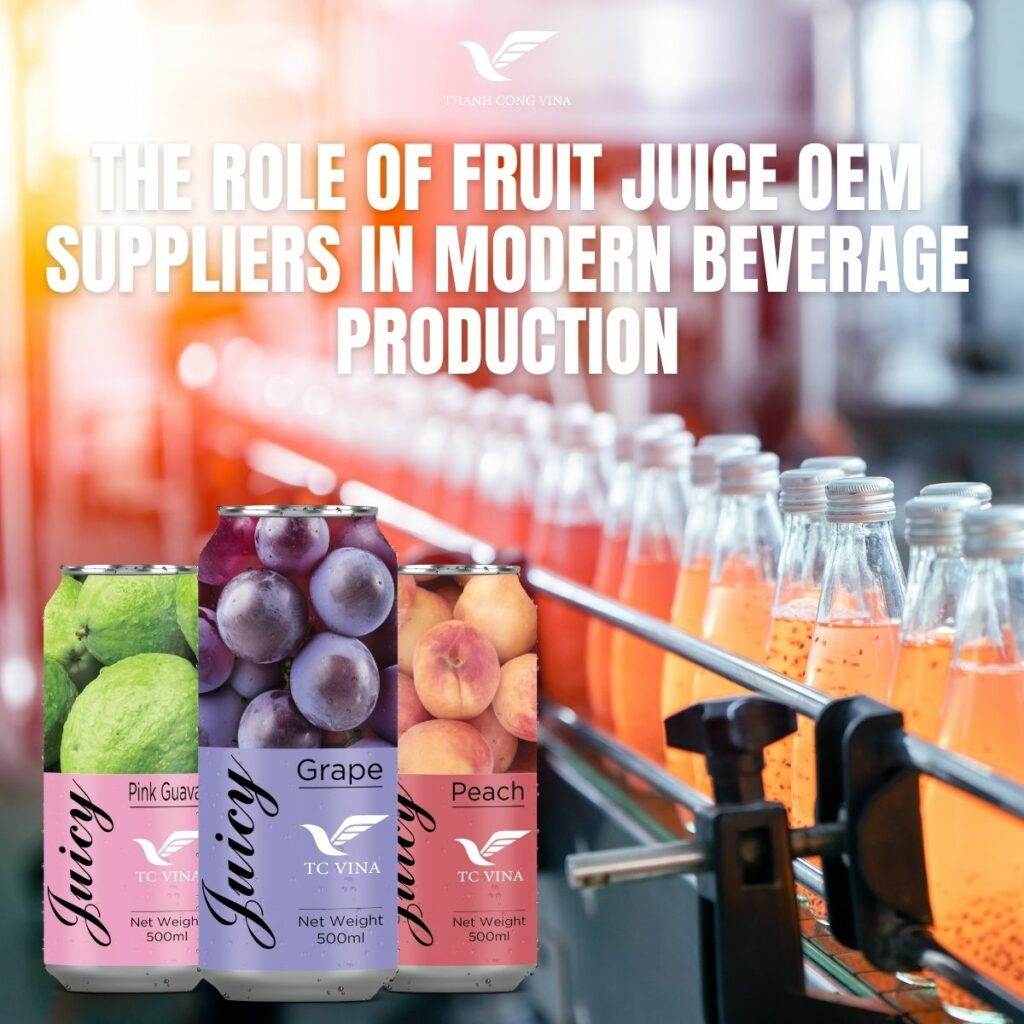
Professional manufacturing partners provide more than just production capacity. They serve as strategic collaborators that help beverage brands maintain quality, efficiency, and product innovation throughout the manufacturing process.
1.1. Understanding the Fruit Juice OEM Model
The Fruit Juice OEM model allows beverage brands to outsource production to specialized manufacturers that possess the facilities, expertise, and certifications required for large-scale beverage production. Instead of building their own factories, brands can focus on product development, branding, and distribution while relying on OEM partners for technical manufacturing operations.
OEM suppliers manage the entire production cycle. This includes sourcing fruit ingredients, developing beverage formulations, processing juice, conducting quality testing, and packaging the final products. Because these manufacturers operate dedicated beverage production facilities, they are able to maintain strict production standards and ensure consistent results.
This partnership model also allows brands to scale production more efficiently. When demand increases, OEM suppliers can expand output without compromising product quality, thanks to their established infrastructure and experienced production teams.
1.2. Supporting Brand Consistency Across Global Markets
Consistency is particularly important for beverage brands that distribute products across multiple countries. Consumers expect the same taste and quality regardless of where the product is purchased.
Fruit juice OEM suppliers ensure this consistency by standardizing recipes, production procedures, and ingredient specifications. Every batch of juice is produced according to detailed production guidelines that guarantee identical results across large production volumes.
By maintaining strict production protocols, OEM manufacturers help brands protect their reputation and build consumer trust in global markets.
2. High-Quality Raw Material Sourcing
Consistent juice quality begins with the selection of premium fruit ingredients. Fruit characteristics such as ripeness, sugar content, acidity levels, and aroma directly influence the final flavor and nutritional value of juice beverages.
2.1. Establishing Reliable Supplier Networks
Fruit juice OEM suppliers typically build long-term relationships with trusted fruit growers and agricultural partners. These partnerships allow manufacturers to secure stable supplies of high-quality fruits throughout the year.
Professional OEM manufacturers evaluate suppliers based on strict criteria that include farming practices, harvest methods, food safety compliance, and product consistency. Only suppliers that meet these requirements are approved for ingredient sourcing.
Working with reliable farms ensures that fruit ingredients maintain consistent flavor profiles and nutritional properties. This stability is essential for producing juice products with uniform taste and appearance across multiple production batches.
2.2. Seasonal Planning and Ingredient Management
Fruit production is naturally influenced by seasonal conditions. Climate changes, harvest cycles, and crop availability can affect fruit supply and quality.
To overcome these challenges, OEM suppliers implement strategic ingredient planning. This includes sourcing fruits from multiple geographic regions, storing fruit concentrates, and maintaining ingredient reserves to ensure year-round production stability.
Advanced inventory management systems allow manufacturers to track ingredient availability and maintain consistent production schedules. By carefully managing raw materials, OEM suppliers prevent fluctuations in flavor and quality caused by inconsistent fruit sourcing.
3. Advanced Processing Technology in Fruit Juice Production
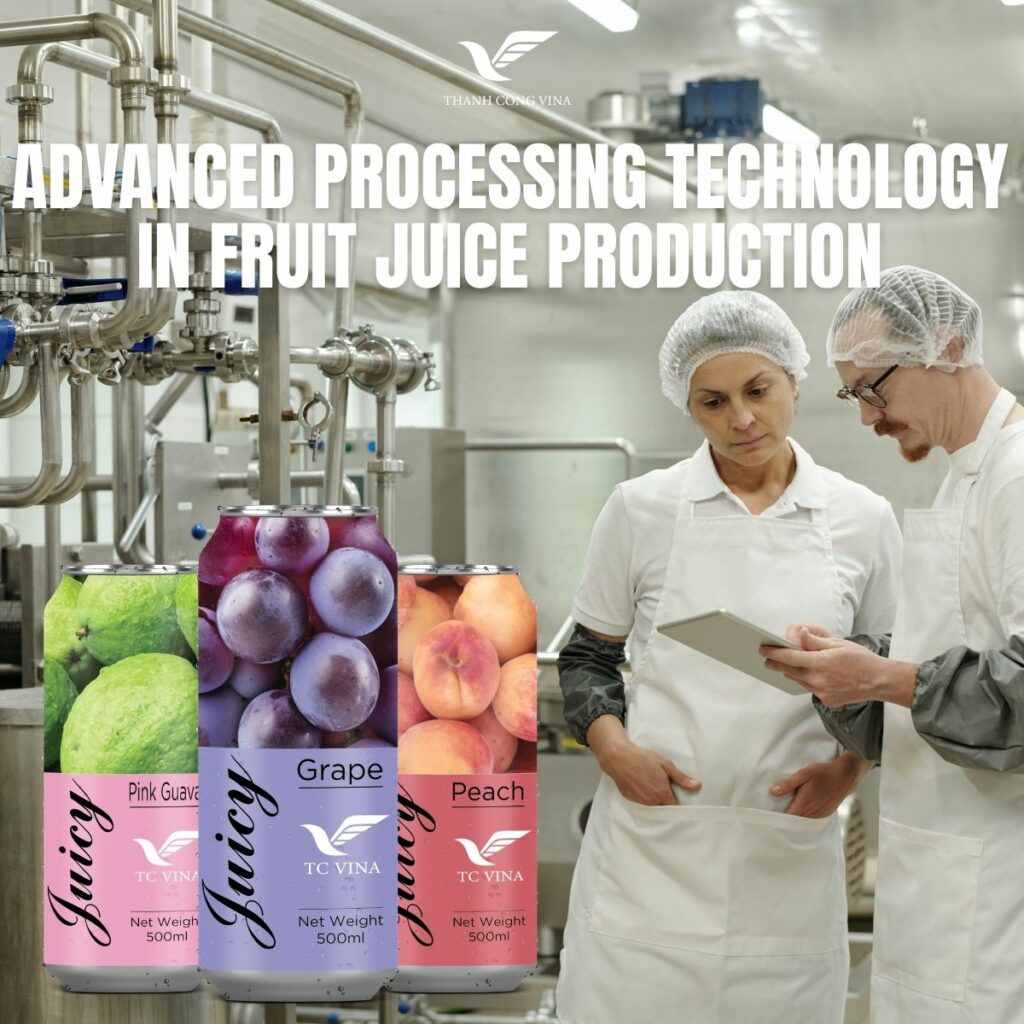
Modern beverage manufacturing relies on advanced processing technologies that help maintain flavor integrity, nutritional value, and product safety.
3.1. Juice Extraction and Processing Techniques
Fruit juice OEM suppliers use specialized extraction equipment designed to preserve the natural characteristics of fruits. These machines separate juice from pulp and fiber while minimizing exposure to oxygen, which can degrade flavor and nutrients.
Once extracted, the juice undergoes filtration and clarification processes to remove unwanted particles while maintaining natural color and taste. Depending on the product type, manufacturers may also incorporate blending processes to combine different fruit juices for balanced flavor profiles.
Temperature-controlled processing plays a critical role in maintaining juice quality. Advanced pasteurization techniques eliminate harmful microorganisms while preserving the natural freshness of the fruit.
These technologies ensure that the final beverage retains its natural taste, aroma, and nutritional value throughout its shelf life.
3.2. Automation and Precision in Production
Automation is another key factor in maintaining consistent juice quality. Modern OEM manufacturing facilities use automated production lines that control every stage of the beverage production process.
Computerized systems regulate temperature, pressure, ingredient ratios, and processing time with high precision. This automation reduces the risk of human error and ensures that each production batch meets identical specifications.
Automated production systems also enable manufacturers to track and record detailed production data. This data can be used to monitor performance, identify potential issues, and maintain strict quality standards over time.
4. Standardized Production Procedures
Consistency in beverage manufacturing depends heavily on standardized production procedures that ensure every batch follows the same carefully controlled process.
4.1. Recipe Standardization and Formula Control
OEM manufacturers create detailed formulation guidelines for every juice product they produce. These guidelines specify the exact quantity of ingredients, blending ratios, and processing conditions required to achieve the desired flavor profile.
Each production batch follows these standardized recipes to ensure that the final beverage maintains identical taste, color, and texture. Even minor variations in ingredient ratios can significantly affect flavor, so strict formula control is essential.
Recipe standardization also allows manufacturers to scale production efficiently. Whether producing a small batch or a large industrial run, the standardized formulation ensures consistent results.
4.2. Production Documentation and Traceability
Professional OEM manufacturers maintain detailed production documentation for every batch of juice produced. This documentation includes ingredient sources, processing parameters, quality test results, and packaging details.
Traceability systems allow manufacturers to track every ingredient used in the production process. If a quality issue arises, these records help identify the source of the problem quickly and implement corrective actions.
Traceability also supports regulatory compliance, particularly for products exported to international markets with strict food safety regulations.
5. Laboratory Testing and Quality Assurance
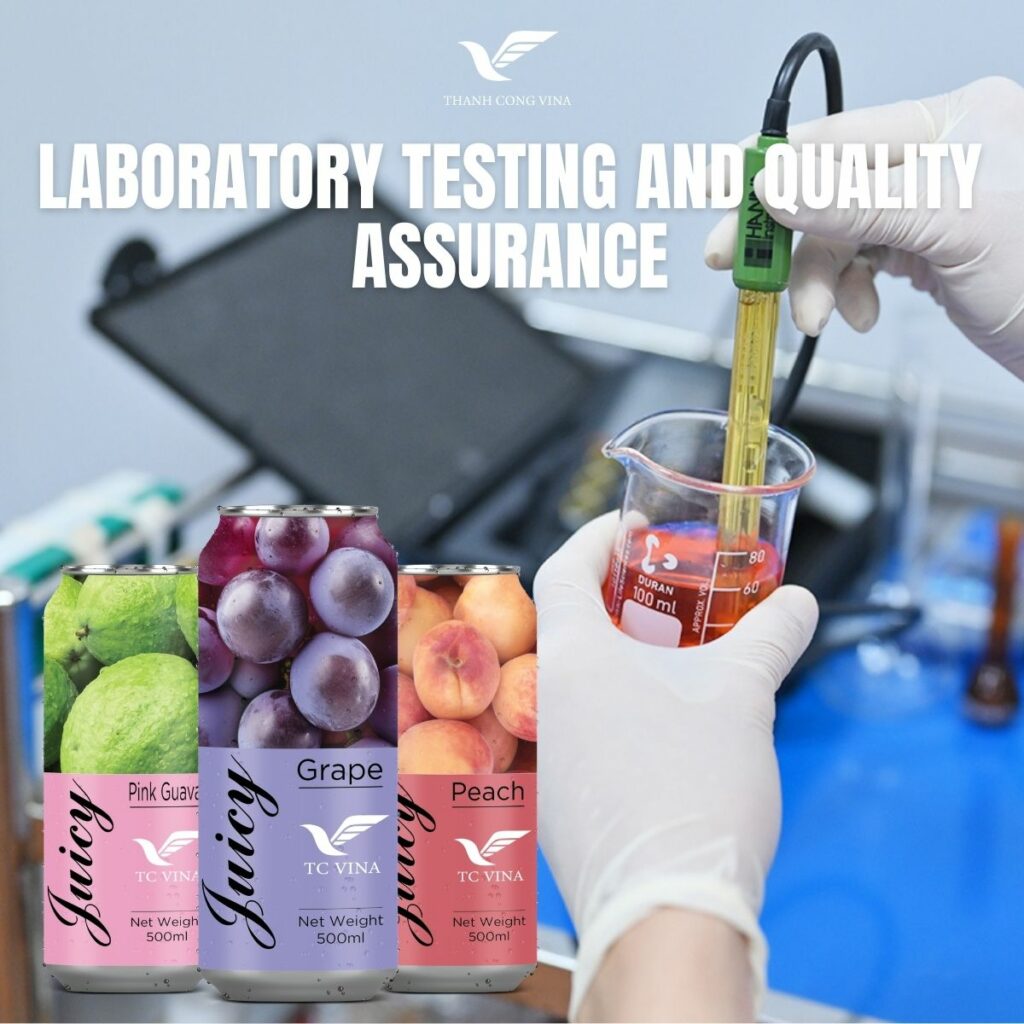
Comprehensive laboratory testing plays a critical role in maintaining consistent juice quality.
5.1. Ingredient Testing and Verification
Before entering the production process, fruit ingredients undergo laboratory testing to ensure they meet quality standards. These tests evaluate factors such as sugar levels, acidity, color consistency, and microbial safety.
Testing helps verify that the fruit ingredients match the specifications required for the beverage formula. If ingredients do not meet the required standards, they are rejected before entering production.
This early-stage quality control prevents ingredient inconsistencies from affecting the final product.
5.2. Finished Product Evaluation
After production, finished juice products undergo additional laboratory analysis. These tests confirm that the beverage meets all quality requirements before being released for distribution.
Finished product testing typically includes microbiological analysis, flavor evaluation, nutritional verification, and packaging integrity checks.
Some manufacturers also conduct shelf-life testing to ensure that the product maintains its quality throughout its intended storage period.
By implementing strict laboratory testing procedures, fruit juice OEM suppliers guarantee that every product reaching consumers meets consistent quality standards.
6. Supply Chain Management and Logistics Control
Efficient supply chain management is another critical factor that ensures consistent product quality.
6.1. Coordinated Production and Distribution
Fruit juice OEM suppliers carefully coordinate production schedules with ingredient supply and distribution logistics. This coordination ensures that ingredients remain fresh and production timelines are maintained.
Temperature-controlled storage and transportation systems protect juice products from environmental factors that could affect flavor or safety. Maintaining proper storage conditions throughout the supply chain is essential for preserving product quality.
Advanced logistics systems also help manufacturers track shipments and maintain transparency across the distribution network.
6.2. Global Compliance and Export Standards
Beverage products exported to international markets must comply with a wide range of regulatory requirements. OEM manufacturers ensure that production facilities meet global food safety certifications such as ISO, HACCP, and other recognized standards.
Compliance with these regulations demonstrates that the manufacturing process follows strict safety and quality guidelines. This assurance allows beverage brands to confidently distribute their products across global markets.
Effective supply chain management therefore plays a crucial role in maintaining both product quality and regulatory compliance.
7. Continuous Innovation and Product Improvement
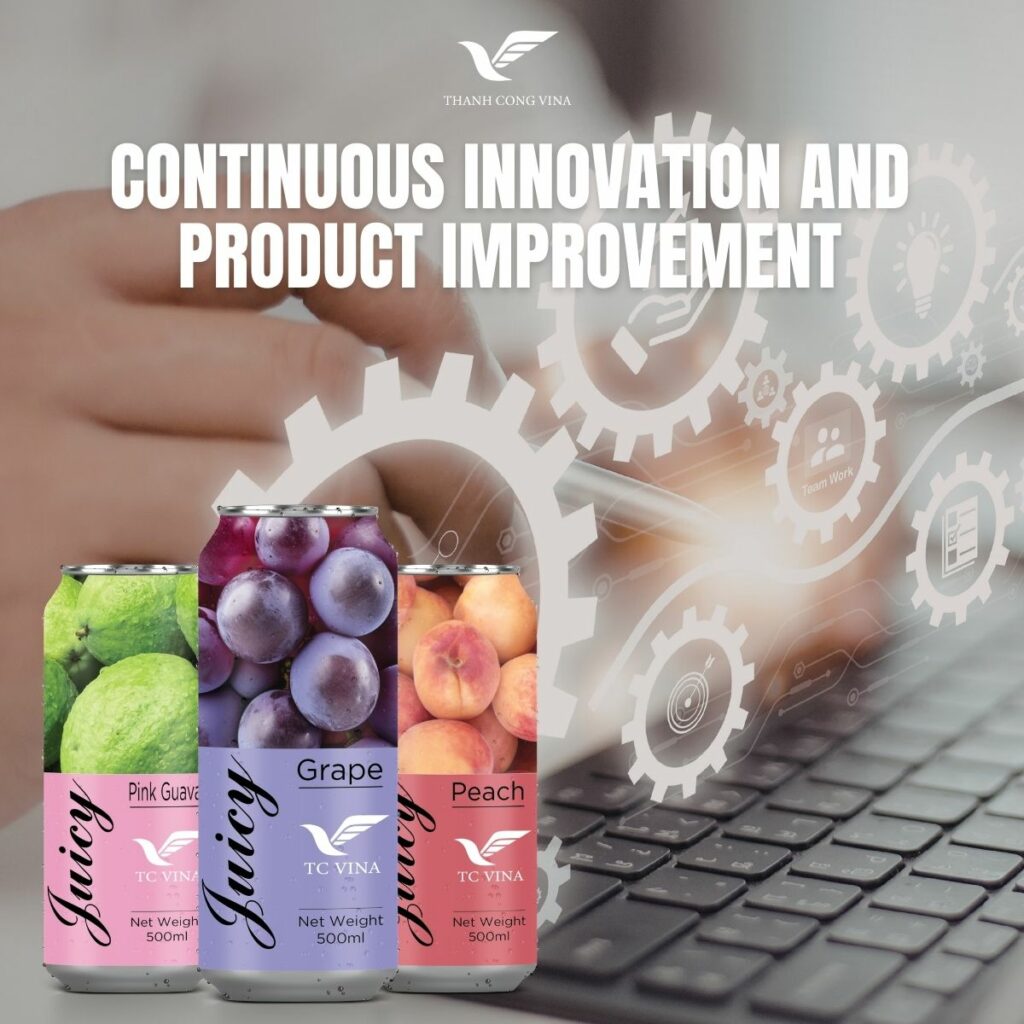
While maintaining consistency is essential, successful beverage manufacturers also prioritize innovation and continuous improvement.
7.1. Research and Development in Juice Formulation
Many fruit juice OEM suppliers maintain dedicated research and development teams responsible for exploring new beverage concepts and improving existing formulas.
These teams experiment with fruit blends, natural sweeteners, and functional ingredients to create beverages that align with emerging consumer preferences. Innovation helps brands remain competitive in a rapidly evolving beverage market.
New processing technologies are also continuously evaluated to improve flavor preservation, nutrient retention, and production efficiency.
7.2. Feedback and Quality Optimization
Consumer feedback and market analysis provide valuable insights into product performance. OEM manufacturers often work closely with brand partners to analyze sales trends, customer reviews, and product evaluations.
This information can be used to refine formulations, adjust ingredient ratios, or enhance production processes. Continuous optimization ensures that beverage products remain relevant and maintain high levels of consumer satisfaction.
By combining innovation with strict quality control, OEM suppliers help brands maintain both consistency and competitiveness in the global beverage industry.
Conclusion
Maintaining consistent product quality is one of the most important responsibilities of professional fruit juice manufacturing partners. Through careful ingredient sourcing, advanced processing technologies, standardized production procedures, laboratory testing, and efficient supply chain management, experienced Fruit Juice OEM suppliers ensure that every beverage meets strict quality standards.
These practices allow beverage brands to deliver reliable products that maintain the same taste, freshness, and nutritional value across large production volumes and international markets. Consistency not only strengthens consumer trust but also supports long-term brand growth in a highly competitive beverage industry.
For companies seeking a reliable manufacturing partner, Thanh Cong Vina IEP CO., LTD provides comprehensive OEM beverage solutions backed by advanced production facilities, international certifications, and strict quality management systems. As a trusted Fruit Juice OEM partner, Thanh Cong Vina supports global beverage brands in delivering high-quality fruit juice products that meet modern consumer expectations while maintaining consistent excellence in every production batch.
