
Products Knowledge
Fruit Juice OEM Packaging Options for Retail & Export
Mar
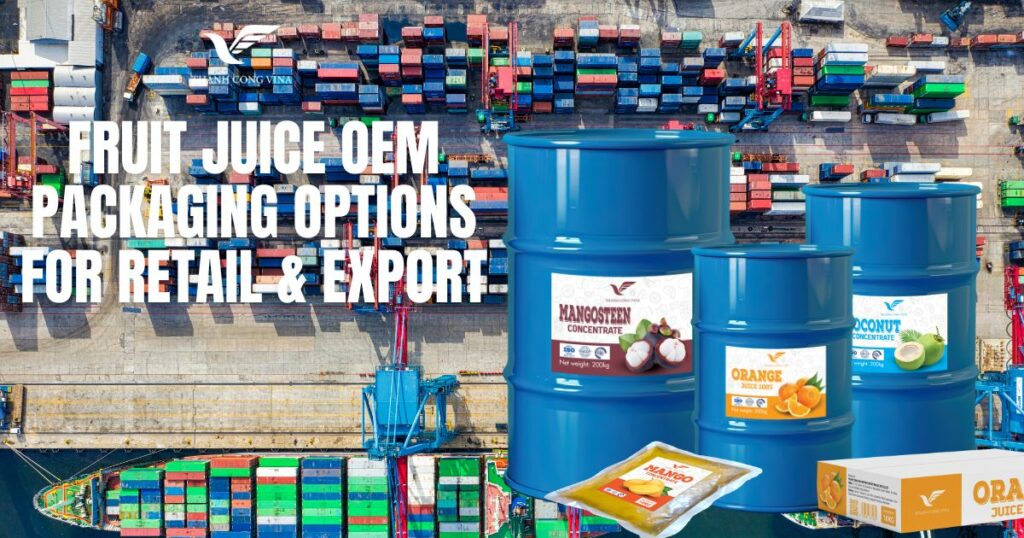
Packaging plays a critical role in the success of any beverage product, especially in the highly competitive juice market. For businesses working with a Fruit Juice OEM partner, selecting the right packaging is not just about aesthetics—it directly impacts product shelf life, transportation efficiency, brand positioning, and consumer appeal. Whether targeting local retail shelves or international export markets, packaging decisions must align with both functional requirements and marketing strategies.
Fruit Juice OEM manufacturers typically offer a wide range of packaging solutions designed to meet diverse business needs. From eco-friendly cartons to premium glass bottles, each option has its own advantages depending on the target market and distribution channels. Moreover, global export standards require packaging that ensures product safety, durability, and compliance with international regulations.
This article explores the most popular Fruit Juice OEM packaging options for retail and export, helping businesses choose the best solution to enhance product value, protect quality, and maximize market success.
1. Overview of Fruit Juice OEM Packaging Solutions
In Fruit Juice OEM manufacturing, packaging serves as both a protective layer and a powerful branding tool. The right packaging not only preserves the quality of the juice but also influences purchasing decisions at the point of sale.
1.1. Primary Functions of Juice Packaging
Packaging must fulfill several essential functions. First, it protects the product from external factors such as light, oxygen, and contamination. These elements can degrade juice quality and reduce shelf life if not properly controlled.
Second, packaging ensures convenience for consumers. Easy-to-open caps, resealable lids, and portable designs enhance user experience, making the product more attractive in retail environments.
Third, packaging communicates brand identity. Through design, labeling, and material choice, brands can convey messages about quality, sustainability, and lifestyle.
1.2. Packaging Categories in OEM Manufacturing
Fruit Juice OEM providers typically categorize packaging into several main types, including bottles, cans, cartons, and flexible packaging. Each category is suitable for different market segments.
For example, cartons are widely used for mass-market retail due to their cost-effectiveness, while glass bottles are often chosen for premium juice products. Flexible pouches are gaining popularity for their lightweight and convenience, especially in on-the-go consumption.
Understanding these packaging categories allows businesses to align their product strategy with market expectations and distribution requirements.
2. Popular Packaging Formats for Retail Markets
Retail packaging must balance visual appeal, cost efficiency, and practicality. Consumers are often drawn to packaging that is both attractive and easy to use.
2.1. PET Bottles and Their Advantages
PET bottles are one of the most widely used packaging formats in the juice industry. They are lightweight, durable, and cost-effective, making them ideal for large-scale retail distribution.
These bottles offer excellent transparency, allowing consumers to see the product inside. This visual appeal can increase trust and encourage purchase decisions.
Additionally, PET bottles are highly customizable. Brands can choose different shapes, sizes, and label designs to differentiate their products on crowded shelves.
2.2. Glass Bottles for Premium Positioning
Glass bottles are commonly used for high-end juice products. They provide a premium look and feel, enhancing the perceived value of the product.
Glass is non-reactive, which helps preserve the natural taste and quality of the juice. It is also environmentally friendly, as it can be recycled multiple times without losing quality.
However, glass packaging is heavier and more fragile than other options, which can increase transportation costs and risk during handling.
2.3. Carton Packaging for Mass Distribution
Carton packaging, such as Tetra Pak, is widely used for juice products in supermarkets and convenience stores. It offers excellent protection against light and air, extending the shelf life of the product.
Cartons are also space-efficient, making them ideal for storage and transportation. Their flat surfaces provide ample space for branding and product information.
These advantages make carton packaging a popular choice for brands targeting large-scale retail markets.
3. Export-Oriented Packaging Requirements
Export markets require packaging that meets strict international standards while ensuring product integrity during long-distance transportation.
3.1. Durability and Transportation Safety
Export packaging must withstand various environmental conditions, including temperature fluctuations, humidity, and physical impact. Strong and durable materials are essential to prevent damage during shipping.
Secondary packaging, such as cartons and pallets, also plays a crucial role in protecting products during transit. Proper stacking and secure packaging reduce the risk of breakage and leakage.
3.2. Compliance with International Regulations
Different countries have specific regulations regarding food packaging. These may include labeling requirements, material safety standards, and environmental guidelines.
Fruit Juice OEM manufacturers must ensure that packaging complies with these regulations to avoid delays or rejections in export markets.
3.3. Shelf Life and Preservation
Longer shipping times require packaging that can maintain product quality over extended periods. Aseptic packaging technologies are often used to preserve freshness without the need for preservatives.
By meeting these requirements, businesses can ensure successful entry into international markets and maintain product quality across global supply chains.
4. Customization in Fruit Juice OEM Packaging
Customization is a key advantage of working with a Fruit Juice OEM partner. It allows brands to create unique packaging that stands out in the market.
4.1. Branding and Design Elements
Custom labels, colors, and shapes help create a strong brand identity. Eye-catching designs can attract consumers and differentiate products from competitors.
Packaging design should align with the brand’s target audience and positioning. For example, a health-focused brand may use minimalist designs and natural colors to convey a sense of purity and wellness.
4.2. Functional Customization
In addition to aesthetics, functional features such as resealable caps, ergonomic shapes, and portion sizes can enhance user experience.
These features make the product more convenient and appealing, increasing customer satisfaction and repeat purchases.
4.3. Sustainable Packaging Options
Sustainability is becoming increasingly important in the beverage industry. Many brands are opting for eco-friendly packaging materials, such as biodegradable plastics or recyclable cartons.
Fruit Juice OEM manufacturers are adapting to this trend by offering sustainable packaging solutions that meet both environmental and business goals.
Customization enables brands to create packaging that not only looks good but also aligns with consumer preferences and market trends.
5. Choosing the Right Packaging for Your Target Market
Selecting the right packaging depends on various factors, including target audience, distribution channels, and brand positioning.
5.1. Understanding Consumer Preferences
Different markets have different preferences when it comes to packaging. For example, urban consumers may prefer convenient, on-the-go packaging, while premium buyers may value aesthetics and quality.
Conducting market research helps businesses identify these preferences and choose packaging that resonates with their target audience.
5.2. Balancing Cost and Quality
Packaging costs can significantly impact overall product pricing. Businesses must find a balance between cost efficiency and quality to remain competitive.
Working with a Fruit Juice OEM partner allows brands to explore different packaging options and optimize costs without compromising quality.
5.3. Aligning Packaging with Distribution Channels
Distribution channels also influence packaging decisions. Retail stores, online platforms, and export markets each have unique requirements.
For example, e-commerce packaging must be durable enough to withstand shipping, while retail packaging must be visually appealing to attract customers.
By considering these factors, businesses can select packaging that supports their overall strategy and maximizes market success.
6. Future Trends in Fruit Juice OEM Packaging
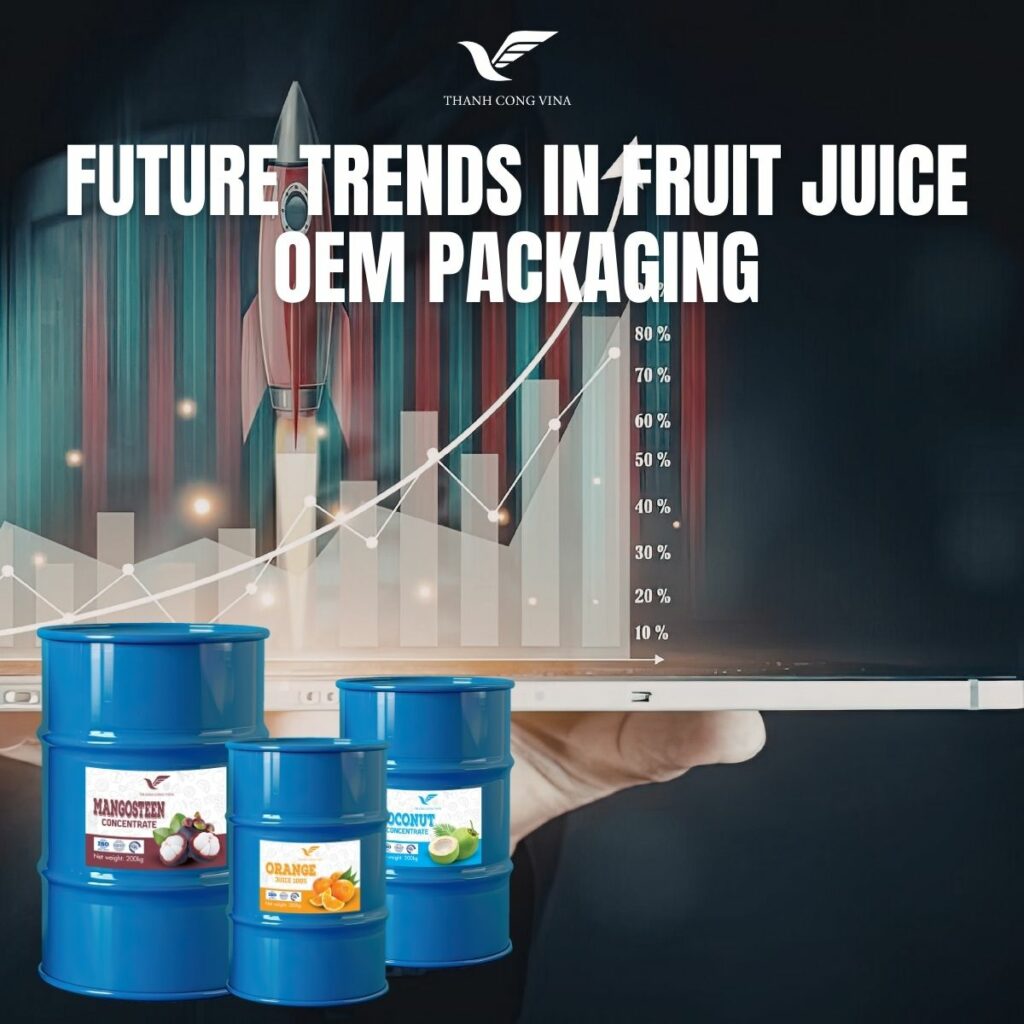
The packaging landscape is constantly evolving, driven by technological advancements and changing consumer preferences.
6.1. Smart Packaging Technologies
Smart packaging solutions, such as QR codes and interactive labels, are becoming more popular. These technologies provide consumers with additional information about the product, enhancing transparency and engagement.
6.2. Lightweight and Cost-Efficient Designs
Reducing packaging weight can lower transportation costs and environmental impact. Lightweight designs are becoming increasingly important for both retail and export markets.
Staying updated with these trends allows businesses to remain competitive and meet evolving market demands.
Conclusion
Packaging is a critical component of success in Fruit Juice OEM manufacturing, influencing everything from product protection to brand perception and market reach. Choosing the right packaging option requires careful consideration of factors such as target market, distribution channels, cost, and sustainability.
From PET bottles and glass containers to cartons and flexible pouches, each packaging format offers unique advantages for retail and export markets. By leveraging customization and staying aligned with industry trends, businesses can create packaging that enhances both functionality and visual appeal.
Thanh Cong Vina stands as a reliable partner in delivering high-quality Fruit Juice OEM solutions with diverse and flexible packaging options. With advanced technology, strict quality control, and deep industry expertise, Thanh Cong Vina supports brands in developing packaging strategies that meet global standards. By choosing Thanh Cong Vina for Fruit Juice OEM manufacturing, businesses can confidently expand into retail and export markets while ensuring product excellence and long-term growth.
