
Products Knowledge
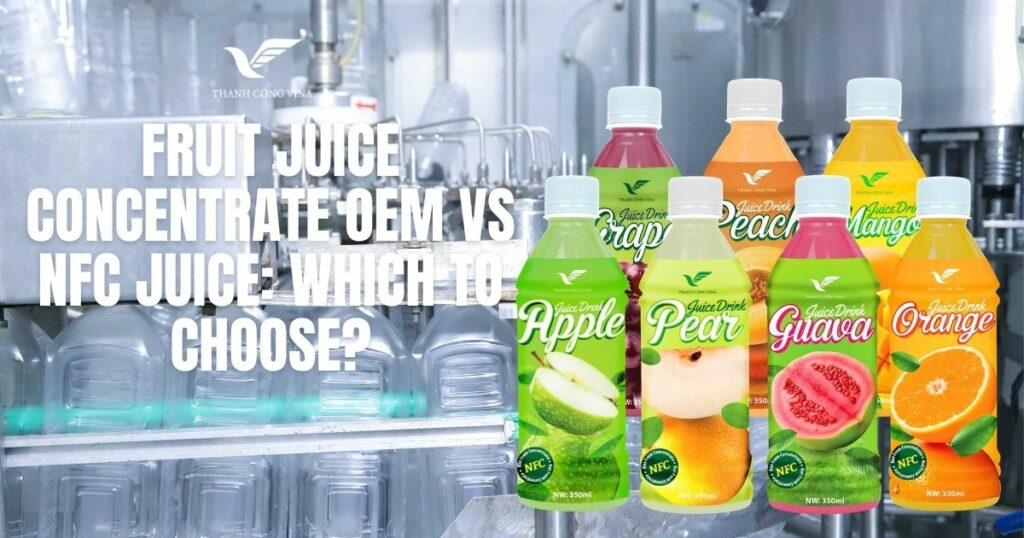
Fruit Juice Concentrate OEM vs NFC Juice: Which to Choose?
Apr
The global juice industry is becoming increasingly sophisticated as brands aim to deliver high-quality beverages that align with evolving consumer preferences. Among the most important decisions beverage companies face is choosing between Fruit Juice Concentrate and NFC (Not From Concentrate) juice. Each option offers unique advantages in terms of cost, taste, shelf life, and market positioning.
For businesses working with OEM manufacturers, this choice becomes even more critical. It directly impacts production efficiency, logistics, pricing strategies, and brand perception. While Fruit Juice Concentrate is widely used for its cost-effectiveness and scalability, NFC juice is often associated with premium quality and freshness.
Understanding the differences between these two options is essential for making the right decision based on your target market and business goals. In this comprehensive guide, we explore the key characteristics, production processes, benefits, and challenges of both Fruit Juice Concentrate and NFC juice. This will help brands determine which option best suits their product strategy and growth plans.
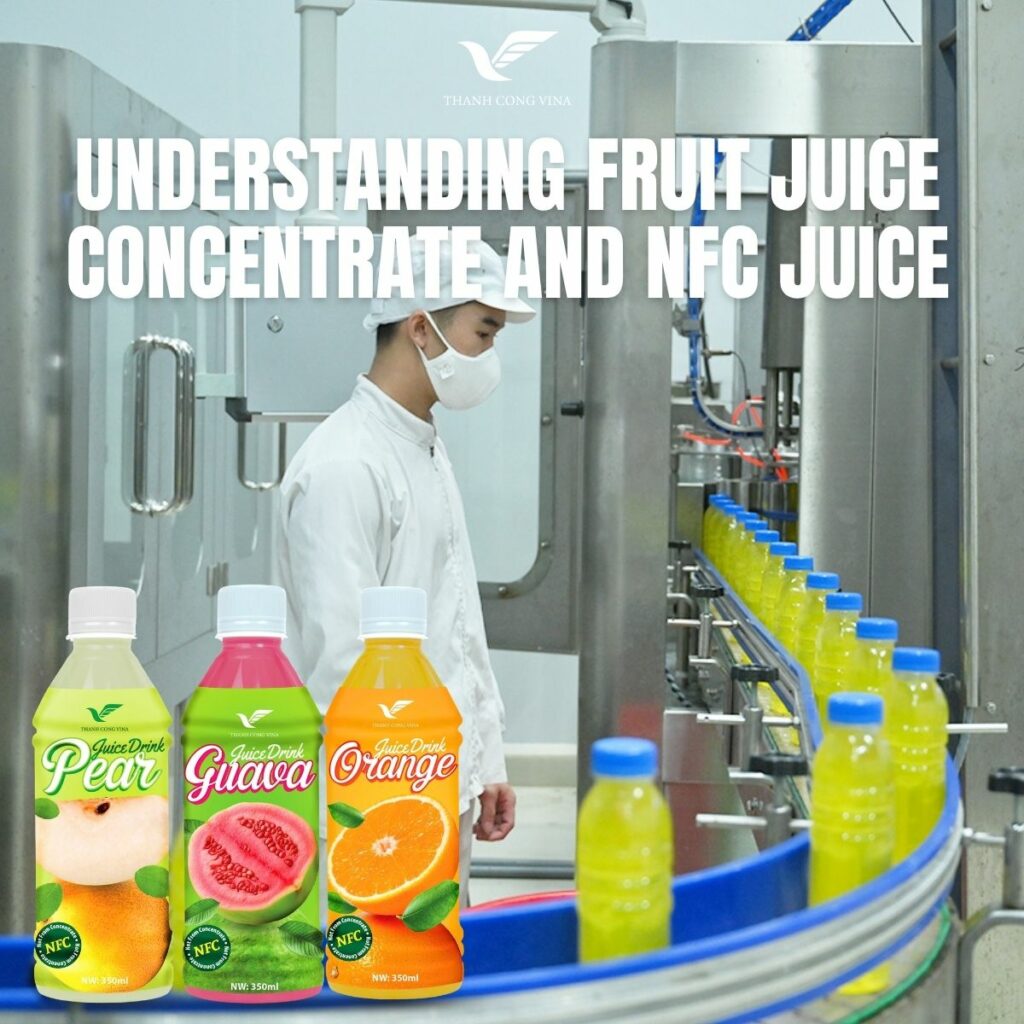
1. Understanding Fruit Juice Concentrate and NFC Juice
Before comparing the two, it is important to understand their fundamental differences.
What Is Fruit Juice Concentrate?
Fruit Juice Concentrate is produced by removing most of the water content from fresh juice through evaporation. This results in a concentrated liquid that is easier to store and transport.
During production, water is later re-added to restore the juice to its original strength before consumption.
What Is NFC Juice?
NFC (Not From Concentrate) juice is made by directly extracting juice from fresh fruits without removing water. It undergoes minimal processing to preserve its natural taste and nutrients.
NFC juice is often perceived as fresher and more natural compared to concentrate-based products.
Key Differences at a Glance
The main differences between the two lie in processing methods, shelf life, cost, and flavor profile. While concentrate offers efficiency and flexibility, NFC focuses on premium quality and freshness.
Understanding these basics sets the foundation for deeper comparison.
2. Fruit Juice Concentrate Production Process
Concentrate Processing Method
The process begins with extracting juice from fresh fruits. The juice is then heated to remove water, resulting in a concentrated form.
This process reduces volume and weight, making transportation more efficient.
NFC Juice Processing Method
NFC juice is produced through direct extraction and pasteurization. It does not undergo water removal, preserving its natural composition.
This results in a product that closely resembles freshly squeezed juice.
Impact on Quality and Efficiency
Concentrate processing allows for longer storage and easier logistics, while NFC processing maintains a more natural taste.
The choice depends on whether efficiency or freshness is the priority.
3. Cost and Pricing Considerations

Cost is a key factor influencing the choice between concentrate and NFC juice.
Production Costs
Fruit Juice Concentrate generally has lower production costs due to reduced storage and transportation requirements.
NFC juice, on the other hand, requires more careful handling and storage, increasing costs.
Logistics and Transportation
Concentrate is lighter and takes up less space, reducing shipping costs. NFC juice requires refrigeration and faster delivery, which adds to logistics expenses.
Market Pricing Strategy
Products made from concentrate are often positioned as affordable options, while NFC juice is marketed as a premium product.
Understanding cost differences helps businesses align their pricing strategies.
4. Shelf Life and Storage Advantages
Shelf life is an important consideration for distribution and inventory management.
Longer Shelf Life of Concentrate
Fruit Juice Concentrate has a longer shelf life due to reduced water content and processing methods.
This makes it ideal for export and large-scale distribution.
Shorter Shelf Life of NFC Juice
NFC juice has a shorter shelf life and often requires refrigeration to maintain quality.
This limits its distribution range and increases storage costs.
Inventory Management Implications
Concentrate offers more flexibility in inventory management, while NFC requires precise planning.
Shelf life plays a crucial role in operational efficiency.
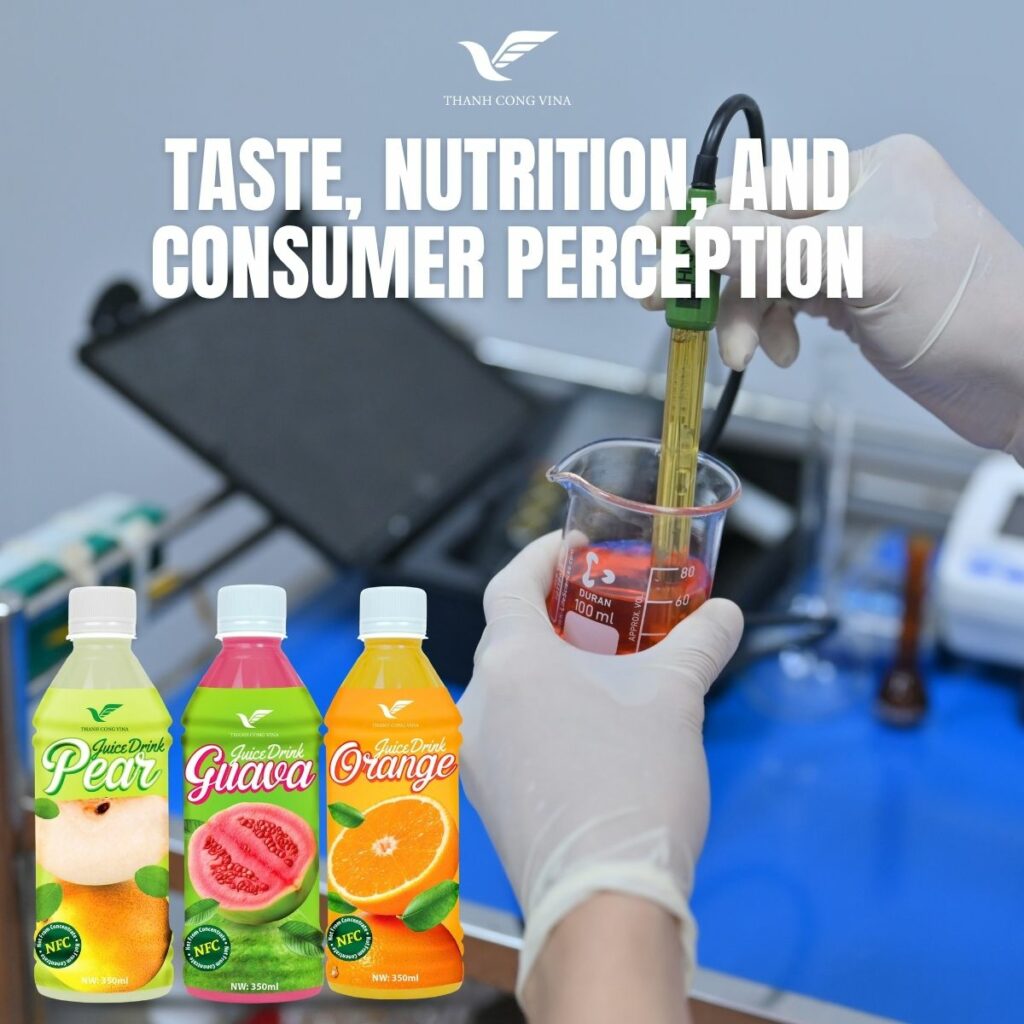
5. Taste, Nutrition, and Consumer Perception
Consumer perception is a key factor in product success.
Flavor Profile
NFC juice is often perceived as having a fresher and more natural taste. Concentrate-based juice may have slight variations due to processing.
Nutritional Value
Both options retain essential nutrients, but NFC juice is often marketed as having higher nutritional integrity.
Consumer Preferences
Health-conscious consumers tend to prefer NFC juice, while price-sensitive consumers may choose concentrate-based products.
Understanding consumer perception helps brands position their products effectively.
6. Application in OEM Manufacturing
Both concentrate and NFC juice play important roles in OEM production.
Flexibility of Fruit Juice Concentrate
Concentrate is highly versatile and can be used in a wide range of products, including juices, smoothies, and flavored beverages.
It allows for consistent quality and large-scale production.
NFC Juice in Premium Product Lines
NFC juice is often used for premium product lines that emphasize freshness and quality.
It is ideal for brands targeting high-end markets.
Choosing the Right OEM Strategy
OEM manufacturers can help brands determine the best option based on their goals, target market, and budget.
The right strategy ensures optimal product performance.
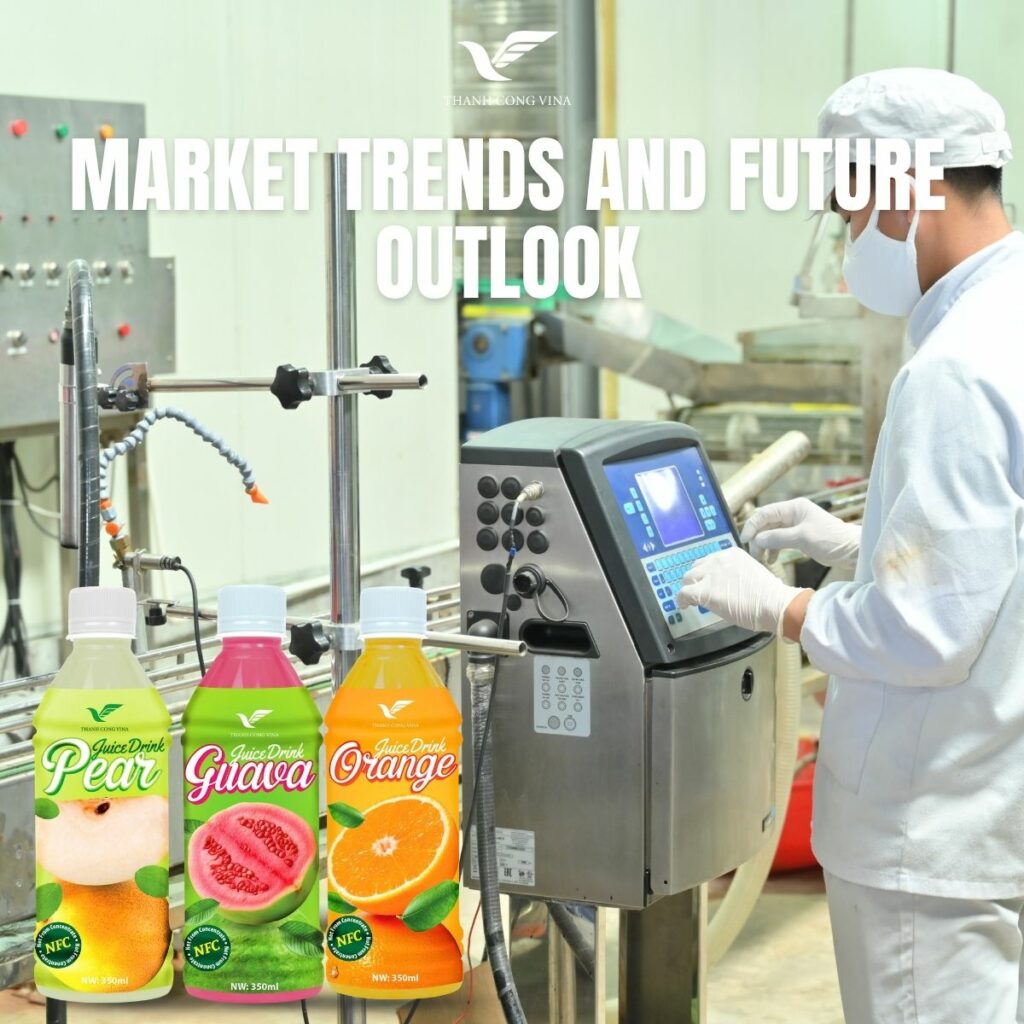
7. Market Trends and Future Outlook
The juice industry continues to evolve with changing consumer preferences.
Growing Demand for Premium Products
There is increasing demand for high-quality, natural beverages, driving the growth of NFC juice.
Continued Dominance of Concentrate
Despite the rise of NFC, concentrate remains dominant due to its cost efficiency and scalability.
Innovation and Hybrid Solutions
Some brands are exploring hybrid solutions that combine the benefits of both options.
Staying informed about market trends helps businesses remain competitive.
8. Challenges and Decision-Making Factors
Choosing between concentrate and NFC involves several considerations.
Balancing Cost and Quality
Businesses must balance cost efficiency with product quality and brand positioning.
Understanding Target Markets
Different markets have different preferences, making market research essential.
Operational Capabilities
Logistics, storage, and production capabilities influence the choice.
Careful evaluation ensures the best decision.
Conclusion
Choosing between Fruit Juice Concentrate and NFC juice is a strategic decision that depends on factors such as cost, quality, shelf life, and target market. While concentrate offers efficiency, scalability, and affordability, NFC juice provides a premium experience with a focus on freshness and natural taste. Both options have their place in the modern beverage industry, and the right choice depends on your brand’s goals and positioning.
Thanh Cong Vina is a trusted partner in delivering high-quality Fruit Juice Concentrate OEM solutions tailored to global markets. With advanced production technology, strict quality control, and extensive experience in both concentrate and NFC production, Thanh Cong Vina helps brands choose the best approach for their products. As a reliable Fruit Juice Concentrate OEM provider, Thanh Cong Vina supports businesses in optimizing production, enhancing product quality, and achieving sustainable growth in the competitive beverage industry.
