
Products Knowledge
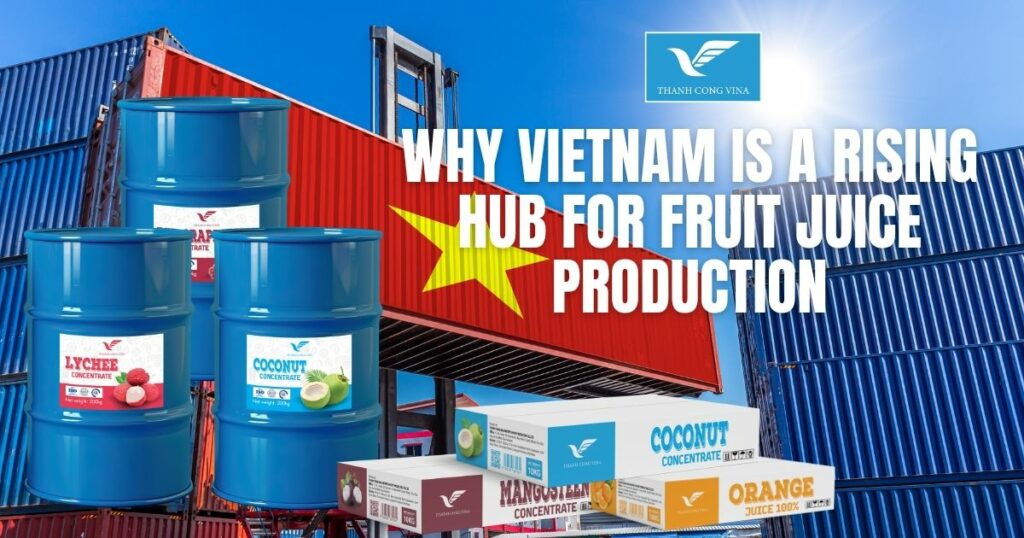
Why Vietnam Is a Rising Hub for Fruit Juice Production
May
The global beverage landscape is undergoing a seismic shift as consumers pivot toward health-conscious, natural, and transparently sourced products. At the heart of this transformation lies Vietnam, a nation rapidly evolving from a traditional agricultural base into a sophisticated global powerhouse for fruit juice manufacturing. With its unique combination of diverse microclimates, a year-round growing season, and aggressive industrial modernization, Vietnam offers a competitive edge that few other regions can match. For international distributors and retailers, understanding the mechanics of the Vietnamese juice industry is no longer optional—it is a strategic necessity. This transition is fueled by massive investments in infrastructure and a commitment to international quality standards, ensuring that the vibrant flavors of the tropics reach global markets with their nutritional integrity intact.
1. The Strategic Importance of Vietnam in Global Fruit Juice Markets
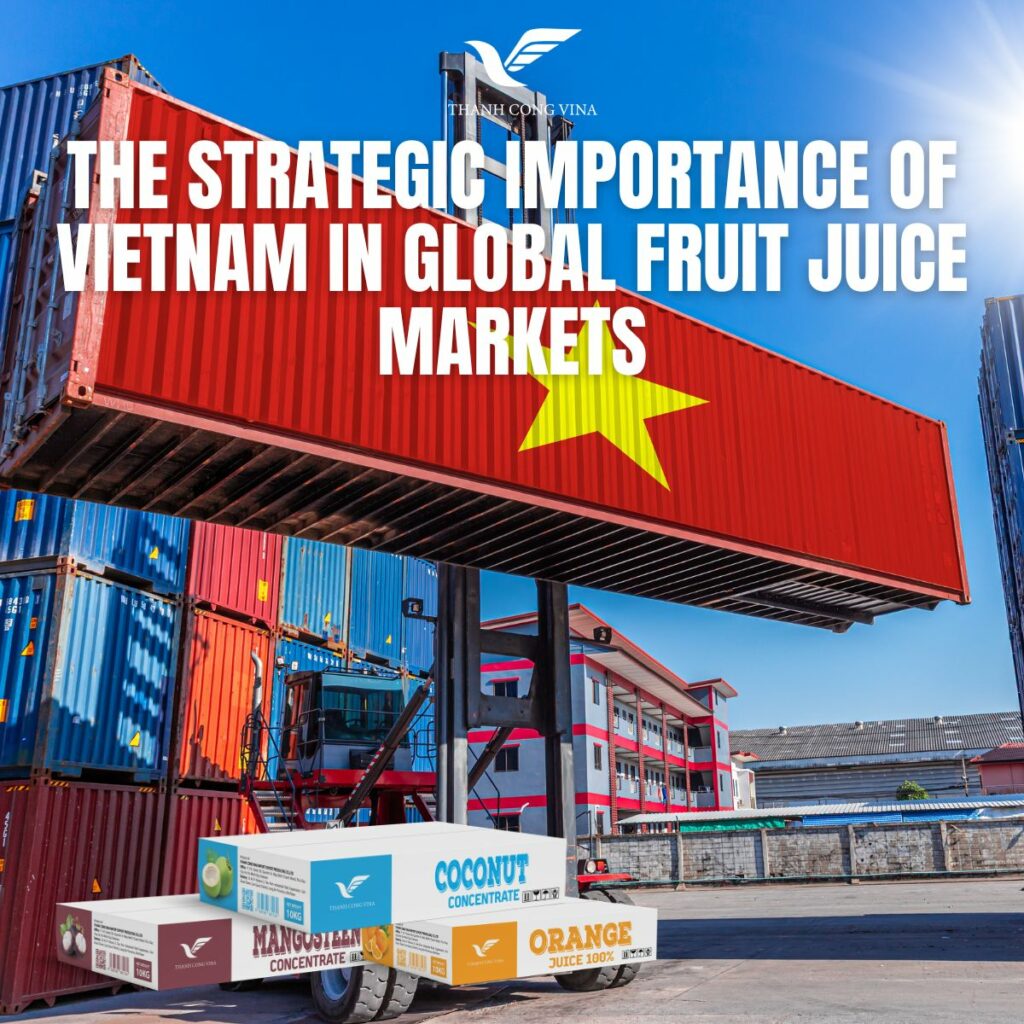
Vietnam’s ascent in the fruit juice sector is not accidental; it is the result of a perfect storm of geographical advantage and economic policy. Positioned in the heart of Southeast Asia, Vietnam serves as a gateway to both Eastern and Western markets. The country’s diverse topography—ranging from the temperate northern highlands to the rich, alluvial plains of the Mekong Delta—allows for the cultivation of a staggering variety of fruits. While many nations are limited by seasonal harvests, Vietnam’s longitudinal stretch ensures a continuous supply of raw materials, minimizing price volatility and supply chain disruptions for global partners.
Furthermore, the Vietnamese government has prioritized the agricultural processing sector as a pillar of national export growth. This has led to the establishment of specialized economic zones and incentives for high-tech farming. By integrating advanced post-harvest technologies, Vietnam has significantly reduced waste and improved the yield of juice extraction. This efficiency translates directly into cost-effectiveness for the end buyer, making Vietnamese juice a premium yet accessible option on the global stage.
Leveraging Free Trade Agreements (FTAs)
One of the most compelling reasons for Vietnam’s rise is its proactive approach to international trade. The country is a signatory to numerous high-impact agreements, including the EVFTA (EU-Vietnam Free Trade Agreement) and the CPTPP. These treaties have drastically reduced or eliminated tariffs on processed fruit products, giving Vietnamese exports a distinct price advantage over competitors in South America or Africa. For a procurement manager, this means higher margins without compromising on the sensory quality of the juice.
Sustainable Sourcing and Biodiversity
Vietnam’s commitment to biodiversity plays a crucial role in its market appeal. The ability to source niche products like dragon fruit, calamansi, and soursop alongside staples like pineapple and passion fruit allows brands to diversify their portfolios. As “superfoods” continue to trend, Vietnam’s indigenous fruits provide the exotic profiles that modern consumers crave.
2. Technological Advancements in Processing and Preservation
To compete on a global scale, Vietnamese manufacturers have moved far beyond basic pressing methods. The industry has seen a massive influx of European and Japanese machinery, focusing on Cold Press and HPP (High-Pressure Processing) technologies. These methods are essential for the modern fruit juice market because they eliminate harmful bacteria without the use of high heat, which can degrade vitamins and alter the natural flavor profile of the fruit.
By adopting these sophisticated systems, Vietnam ensures that its exports meet the stringent “clean label” requirements of North American and European regulators. This technological leap has bridged the gap between “commodity juice” and “premium functional beverage,” allowing Vietnamese producers to cater to the highest tier of the health and wellness market.
Cold Chain Logistics and Infrastructure
The revolution isn’t just happening inside the factory; it’s happening on the road and at the ports. Significant investments in cold chain logistics mean that fruit is transported from farm to facility in temperature-controlled environments, preventing fermentation and spoilage. This seamless integration ensures that the “Brix” levels (sugar content) and acidity are perfectly preserved, resulting in a consistent product that meets exact specifications every time.
R&D and Custom Formulations
Modern Vietnamese facilities now house world-class Research and Development (R&D) laboratories. These centers allow for the creation of bespoke blends, such as mixing tropical bases with functional ingredients like ginger, aloe vera, or botanical extracts. This flexibility enables international brands to use Vietnam as an OEM/ODM hub, developing unique products that are tailored to specific regional tastes or dietary trends.
3. Quality Assurance and International Compliance Standards

The “Made in Vietnam” label is increasingly synonymous with safety and quality. The nation’s leading juice producers have embraced a rigorous culture of certification, moving beyond local standards to achieve globally recognized credentials. This shift is vital for building trust with international consumers who demand transparency regarding the origin and safety of their food and beverages.
From the farm level through to the final packaging, every step of the production process is now subject to intense scrutiny. This systematic approach to quality control has allowed Vietnamese juice to penetrate even the most regulated markets, including Japan, South Korea, and the European Union.
Achieving Global Certifications
It is now standard for top-tier Vietnamese juice exporters to hold certifications such as ISO 22000, HACCP, and BRC. Many have also pursued specialized certifications like Organic (USDA/EU), Halal, and Kosher to serve diverse demographic needs. These accolades serve as a universal language of quality, reassuring buyers that the product is manufactured in a facility that prioritizes hygiene and standardized processes.
Traceability from Farm to Bottle
Digitalization has introduced a new era of traceability in the Vietnamese juice industry. Many producers now utilize blockchain or QR-code-based systems that allow consumers to trace the journey of their juice back to the specific province where the fruit was grown. This level of transparency addresses the growing demand for ethical sourcing and provides a narrative that adds value to the final product.
4. Diversity of Tropical Fruit Varieties and Flavor Profiles
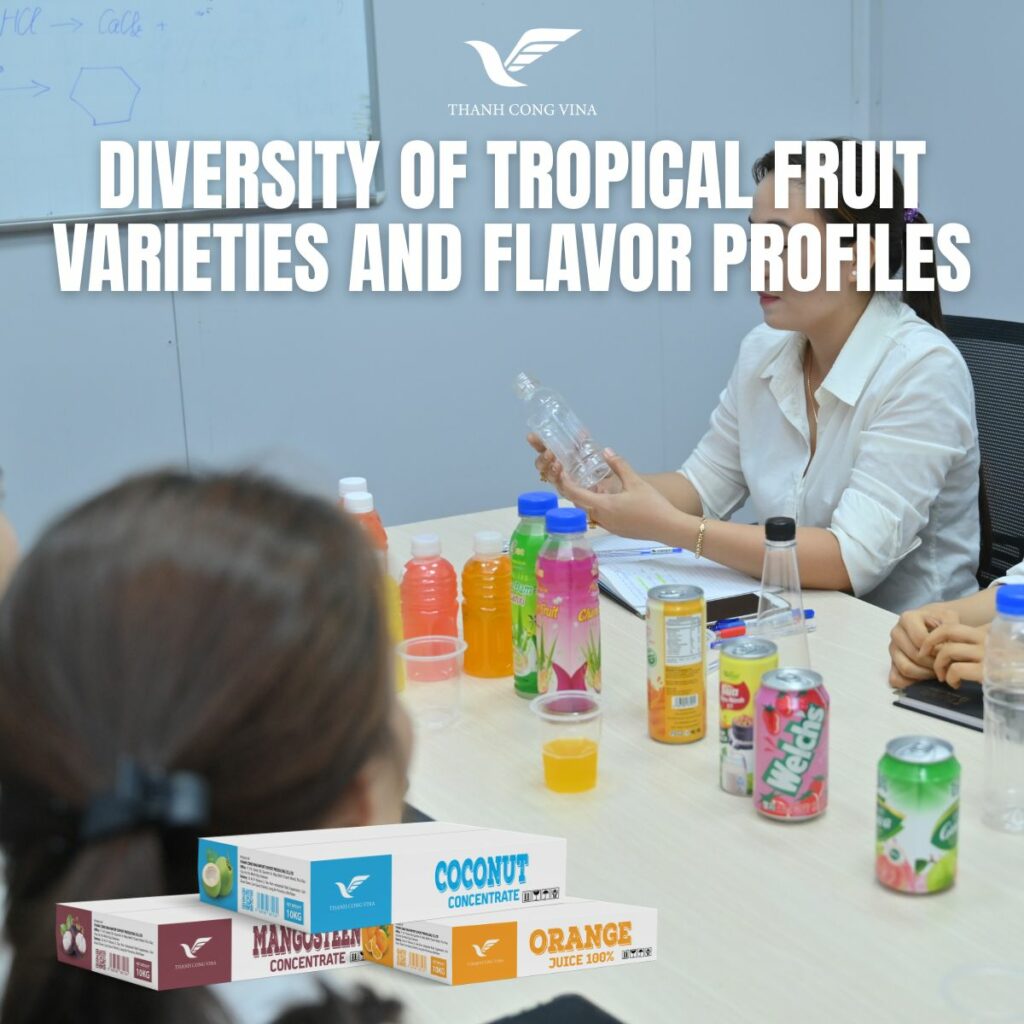
Vietnam’s greatest strength lies in the sheer variety of its orchards. Unlike regions that specialize in a single crop, Vietnam offers a multi-sensory palette of fruit juice options. This diversity is a major draw for beverage innovators looking to escape the “orange and apple” monotony of the traditional juice aisle. The volcanic soil in parts of the Central Highlands and the nutrient-dense silt of the Mekong Delta produce fruits with exceptional flavor density.
The flavor profiles of Vietnamese fruits are often described as more intense and “authentic” compared to those grown in highly industrialized, monoculture environments. This is due to the traditional farming practices that many Vietnamese smallholders still employ, combined with modern organic fertilizers that enhance the natural characteristics of the fruit.
The Rise of “Super-Fruits”
Vietnam is a primary source for several “super-fruits” that are currently dominating the wellness industry.
-
Dragon Fruit (Pitaya): Known for its vibrant color and antioxidant properties, it is a favorite for smoothie bases.
-
Passion Fruit: Vietnam produces a highly aromatic variety that is prized for its balance of tartness and sweetness.
-
Calamansi: This small citrus fruit offers a complex flavor that is increasingly used in craft sodas and functional shots.
Customization and Blending Potential
The availability of such diverse raw materials allows for incredible creativity in blending. Manufacturers can create multi-fruit nectars that hit different notes—sweet, acidic, and creamy—all sourced from within the same geographic region. This proximity reduces the carbon footprint of the production process, as the ingredients don’t need to be shipped across oceans before being blended and bottled.
5. Sustainable Farming and Social Responsibility
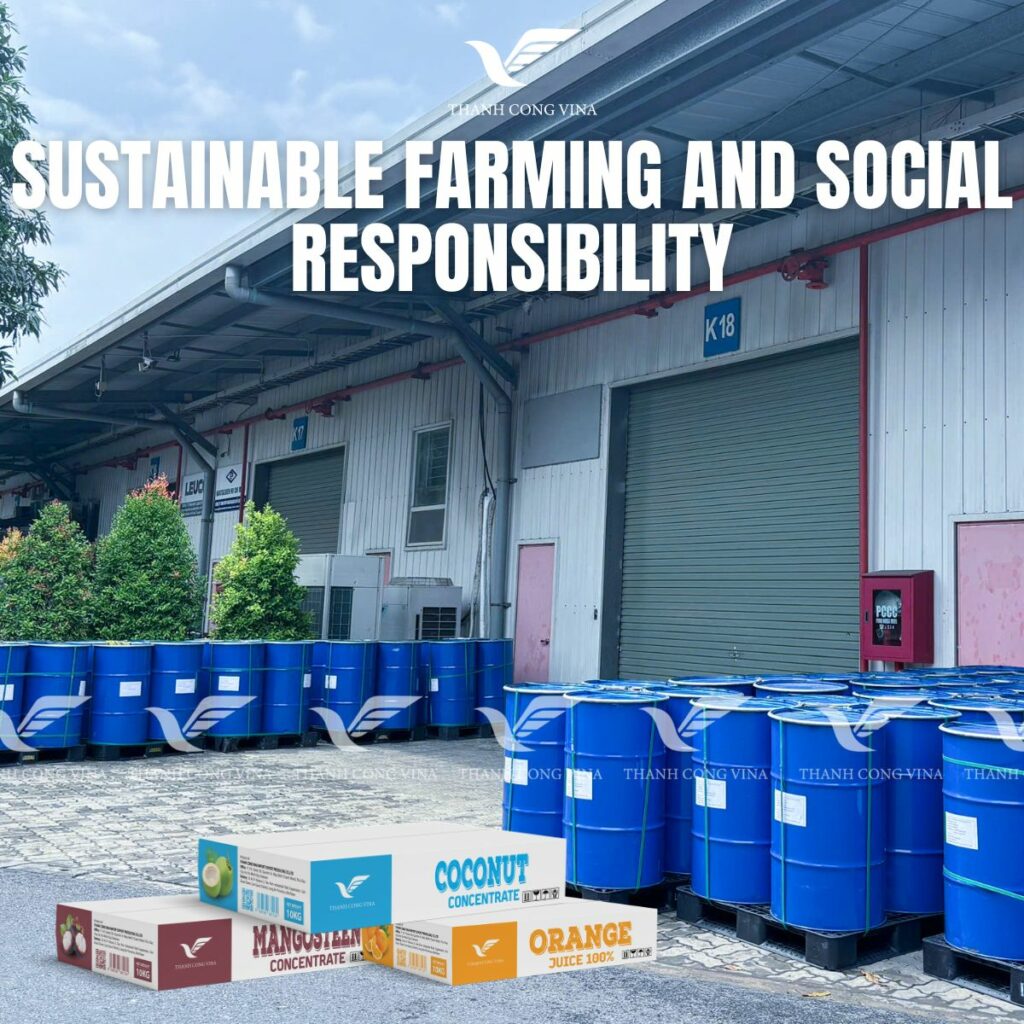
In the modern era, a product is only as good as its impact on the planet and people. The Vietnamese fruit juice industry has made significant strides in sustainable agriculture. Recognizing that climate change poses a threat to long-term yields, many producers are working directly with farmers to implement “GlobalGAP” (Good Agricultural Practices). These practices focus on reducing chemical runoff, conserving water, and protecting soil health.
Beyond environmental concerns, the industry is a major driver of social mobility in rural Vietnam. By providing stable contracts to farming cooperatives, juice manufacturers are helping to lift entire communities out of poverty. This “fair trade” ethos is becoming a core part of the marketing story for Vietnamese juice exports, appealing to the “conscious consumer” who wants their purchase to support ethical labor practices.
Circular Economy in Processing
Leading facilities are now adopting circular economy principles. For example, the peels and seeds left over from the juicing process are often repurposed into organic fertilizer or processed to extract essential oils and natural pigments. This zero-waste approach not only improves environmental sustainability but also creates secondary revenue streams that help keep the primary juice products competitively priced.
Water Management and Renewable Energy
As water is a critical resource in juice production, many Vietnamese plants have installed advanced wastewater treatment systems that allow for water recycling. Additionally, the move toward solar power for factory operations is gaining momentum, further reducing the environmental footprint of the manufacturing process and aligning with global ESG (Environmental, Social, and Governance) goals.
6. The Future of Vietnam’s Juice Export Infrastructure
The growth trajectory of Vietnam’s fruit juice sector is supported by a massive overhaul of the nation’s logistics and export infrastructure. The government’s “Master Plan” for transport includes the expansion of deep-sea ports and the construction of high-speed rail links connecting agricultural hubs to shipping centers. This reduces the “lead time” from order to delivery, a critical factor for maintaining the freshness of juice products.
As e-commerce and direct-to-consumer models grow, Vietnamese manufacturers are also adapting their packaging capabilities. From aseptic bricks and PET bottles to eco-friendly glass and aluminum cans, the industry is equipped to handle various retail formats. This adaptability ensures that Vietnam remains at the forefront of the global beverage market for decades to come.
Digital Transformation in the Supply Chain
The integration of AI and IoT (Internet of Things) in supply chain management is the next frontier for Vietnamese exporters. By predicting harvest yields and optimizing shipping routes, companies can ensure a steady flow of goods even during periods of global uncertainty. This digital maturity is what separates Vietnam from other emerging markets, providing a level of reliability that global partners can depend on.
Collaborative Innovation with Global Brands
We are seeing an increase in joint ventures between Vietnamese producers and international beverage giants. These partnerships combine local agricultural expertise with global marketing prowess and specialized technical knowledge. This collaborative spirit is accelerating the pace of innovation, ensuring that Vietnam is not just a follower of trends, but a leader in the global juice industry.
Conclusion: Partnering for Success with Thanh Cong Vina
The evolution of Vietnam into a global hub for fruit juice production is a testament to the country’s resilience, innovation, and natural abundance. From the high-tech processing plants to the sun-drenched orchards of the Mekong, every element of the supply chain is vibrating with potential. For businesses looking to source high-quality, sustainable, and competitively priced beverage products, the path leads clearly to Vietnam. By embracing international standards and cutting-edge technology, the nation has proven that it can meet the demands of the most discerning global consumers while maintaining the soul and flavor of its tropical heritage.
As a leader in this vibrant industry, Thanh Cong Vina stands ready to bridge the gap between Vietnamese excellence and global demand. We specialize in providing comprehensive sourcing and production solutions that prioritize quality, transparency, and ethical practices. Whether you are looking for premium raw materials or fully packaged retail products, Thanh Cong Vina is your trusted partner in navigating the dynamic landscape of Vietnamese exports. Join us as we bring the very best of Vietnam’s liquid gold to the world stage, ensuring that every sip tells a story of quality and dedication.
