
Products Knowledge
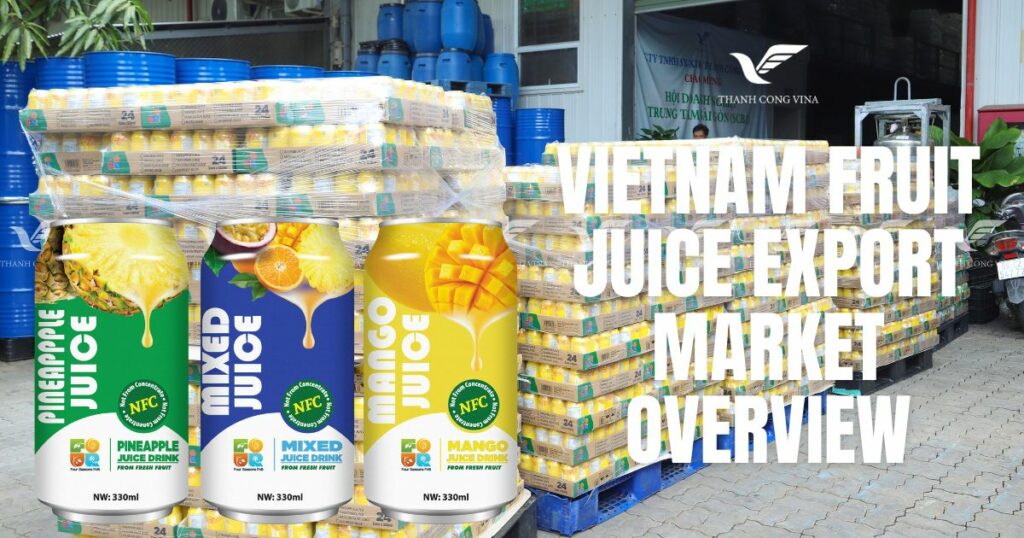
Vietnam Fruit Juice Export Market Overview
May
Vietnam Fruit Juice products are becoming increasingly competitive in the global beverage industry as international consumers continue demanding healthier, more natural, and tropical beverage options. Vietnam has rapidly developed into one of Asia’s most promising exporters of fruit juice products thanks to its abundant agricultural resources, tropical climate, and expanding food processing sector. Beverage importers, distributors, supermarket chains, and OEM brands worldwide are now recognizing Vietnam as an important supplier of tropical fruit beverages and juice concentrate products.
The export market for Vietnamese fruit juice has experienced significant growth over the past decade. Modern factories have invested heavily in advanced production technology, international food safety certifications, and automated packaging systems to meet the strict requirements of international buyers. Products such as mango juice, pineapple juice, guava juice, passion fruit juice, coconut water, aloe vera drinks, and mixed tropical beverages are now exported to major markets including the United States, Europe, the Middle East, Japan, South Korea, and Australia.
As competition in the global beverage industry continues increasing, understanding the strengths, challenges, and opportunities within the Vietnam Fruit Juice export market is essential for businesses seeking reliable sourcing partners and long-term growth opportunities in tropical beverage distribution.
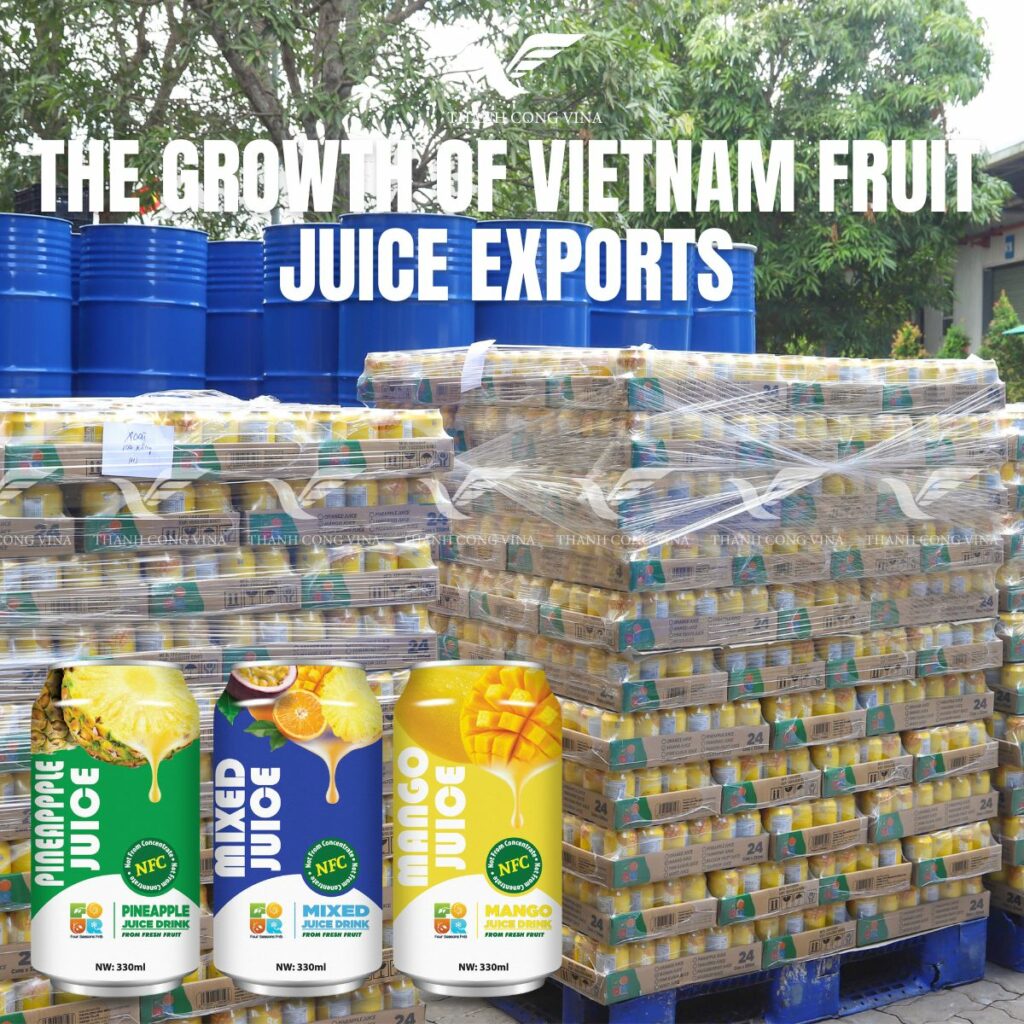
1. The Growth of Vietnam Fruit Juice Exports
Strong Development of the Beverage Industry
The rapid expansion of the Vietnam Fruit Juice export industry is closely connected to the country’s strong agricultural foundation and growing manufacturing capabilities. Vietnam possesses ideal weather conditions for cultivating tropical fruits throughout the year, allowing manufacturers to maintain stable production capacity and continuous export supply.
Over the last decade, Vietnamese beverage factories have modernized production systems significantly. Companies have invested in automated filling lines, aseptic packaging technology, advanced pasteurization systems, and laboratory testing equipment to improve product quality and meet international food safety standards. These improvements have strengthened Vietnam’s reputation as a reliable supplier of fruit-based beverages.
Global demand for natural beverages has also contributed to industry growth. Consumers are increasingly reducing their consumption of artificial soft drinks and searching for products made from real fruit ingredients. This trend has created major opportunities for Vietnamese exporters because tropical fruit beverages are widely associated with freshness, nutrition, and exotic flavor experiences.
Many international beverage brands now cooperate with Vietnamese suppliers for OEM manufacturing and private label beverage production. This growing demand has encouraged local factories to expand production capacity and diversify product portfolios to serve multiple international markets.
Increasing Export Opportunities
Vietnam’s participation in international trade agreements has also improved export opportunities for the beverage sector. Reduced trade barriers and stronger global trade relationships have helped Vietnamese products access larger international markets more efficiently.
As the global beverage market continues growing, Vietnam Fruit Juice exporters are expected to strengthen their position further by combining competitive pricing, tropical fruit expertise, and flexible manufacturing capabilities.
2. Major Products in the Vietnam Fruit Juice Industry
Tropical Fruit Juice Products
One of the biggest strengths of the Vietnam Fruit Juice industry is product diversity. Vietnam produces a wide variety of tropical fruits that can be processed into high-quality beverages for export markets. Popular juice products include mango juice, pineapple juice, passion fruit juice, guava juice, lychee juice, dragon fruit juice, orange juice, and mixed tropical fruit beverages.
These products are attractive to international consumers because they provide authentic tropical flavor profiles and natural fruit characteristics. Beverage companies increasingly use tropical fruit drinks to differentiate themselves in competitive retail markets where consumer interest in exotic flavors continues rising.
Vietnamese manufacturers also produce coconut water and aloe vera beverages, both of which are strongly associated with health-conscious consumer trends. These product categories continue experiencing strong growth in North America, Europe, and Asia due to increasing demand for hydration-focused and functional beverages.
Juice Concentrate and OEM Production
In addition to ready-to-drink beverages, many factories export Vietnam Fruit Juice concentrate products used in industrial beverage manufacturing. Juice concentrates are highly valuable because they reduce transportation costs and improve storage efficiency for international buyers.
OEM and private label manufacturing services are also becoming increasingly important within Vietnam’s beverage export sector. Vietnamese factories can customize formulations, sweetness levels, fruit blends, packaging formats, and branding concepts according to customer requirements.
This flexibility allows global beverage companies to create unique products while benefiting from Vietnam’s competitive production costs and tropical fruit supply advantages.
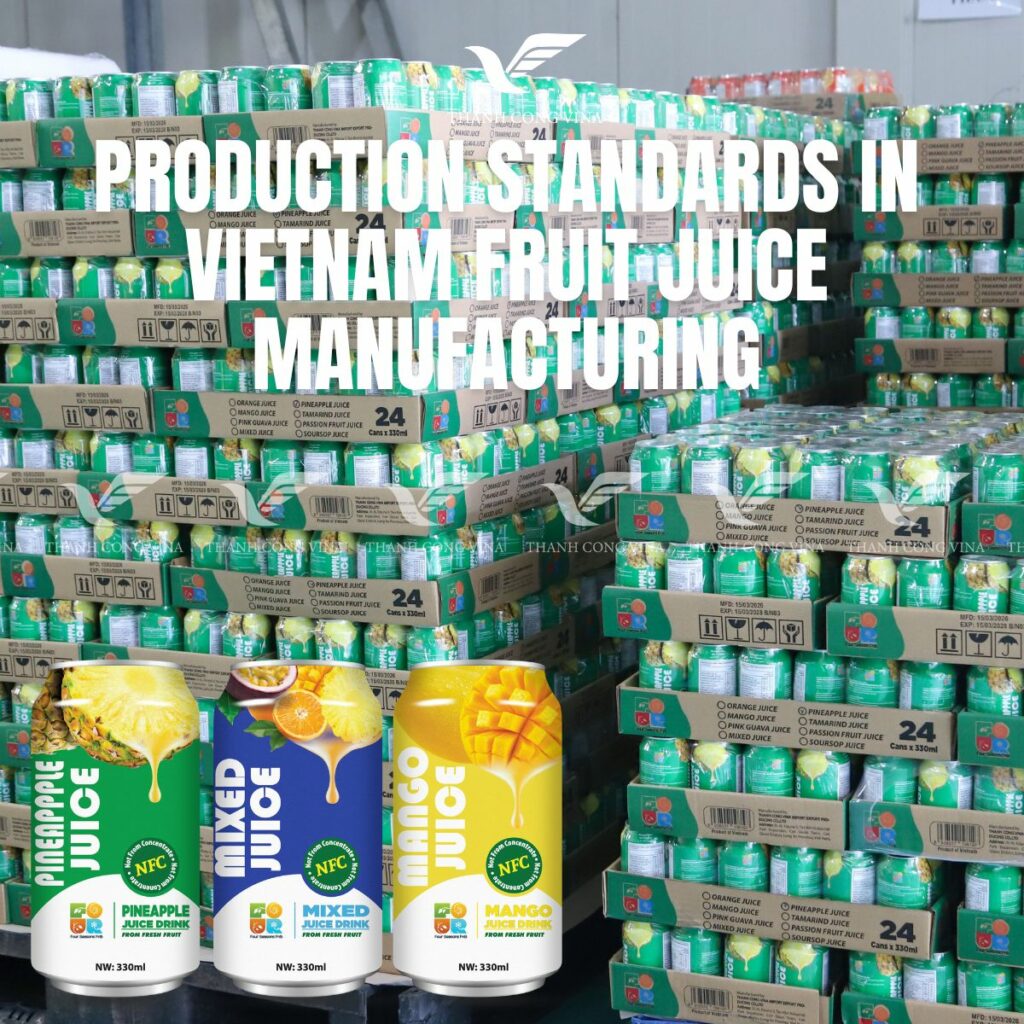
3. Production Standards in Vietnam Fruit Juice Manufacturing
Modern Manufacturing Technology
Professional Vietnam Fruit Juice manufacturers increasingly invest in modern production systems to improve efficiency and product quality. Advanced machinery allows factories to maintain stable production conditions while reducing contamination risks and improving beverage consistency.
Pasteurization technology is especially important in fruit juice production because it helps eliminate harmful microorganisms while preserving flavor and nutritional characteristics. Vietnamese factories carefully monitor processing temperatures and production conditions to maintain product safety and shelf stability.
Aseptic filling technology has also become more common in export-oriented factories. This packaging system helps protect beverages from contamination and extends shelf life during international transportation. Products packaged under aseptic conditions can maintain freshness for longer periods, making them suitable for global distribution.
Quality Control Systems
Quality control is one of the most important factors influencing the success of Vietnam Fruit Juice exports. Professional factories conduct laboratory testing during multiple production stages to ensure products comply with international standards.
Common testing procedures include microbiological analysis, acidity measurement, sugar level verification, pesticide residue evaluation, and heavy metal testing. These quality control systems help manufacturers maintain stable product characteristics and improve customer confidence.
Many Vietnamese factories also cooperate directly with farming regions to improve raw material traceability and maintain consistent fruit quality throughout the supply chain. Strong agricultural partnerships help manufacturers strengthen product reliability and meet international buyer expectations.
4. Certifications and International Compliance
HACCP and ISO Certifications
International buyers increasingly prioritize certified Vietnam Fruit Juice suppliers because food safety regulations have become stricter worldwide. HACCP certification is one of the most important systems used in beverage manufacturing because it focuses on identifying and controlling food safety risks during production.
Vietnamese factories with HACCP certification must maintain strict sanitation standards, contamination prevention procedures, and employee hygiene systems. These standards improve product safety and strengthen export competitiveness.
ISO certifications are also widely used in the beverage industry. ISO 22000 focuses on food safety management while ISO 9001 emphasizes operational consistency and quality improvement. Factories holding ISO certifications are generally viewed as more professional and reliable by international customers.
HALAL and FDA Requirements
HALAL certification has become increasingly important for Vietnam Fruit Juice exports targeting Muslim-majority markets such as the Middle East, Indonesia, and Malaysia. Consumers in these regions often require beverages produced according to HALAL standards.
For exports to the United States, FDA registration is another important requirement. Manufacturers must comply with American food safety regulations and maintain proper documentation systems before shipping products into the U.S. market.
Factories that maintain HACCP, ISO, HALAL, and FDA certifications generally have stronger opportunities to expand internationally and build long-term partnerships with global beverage brands.
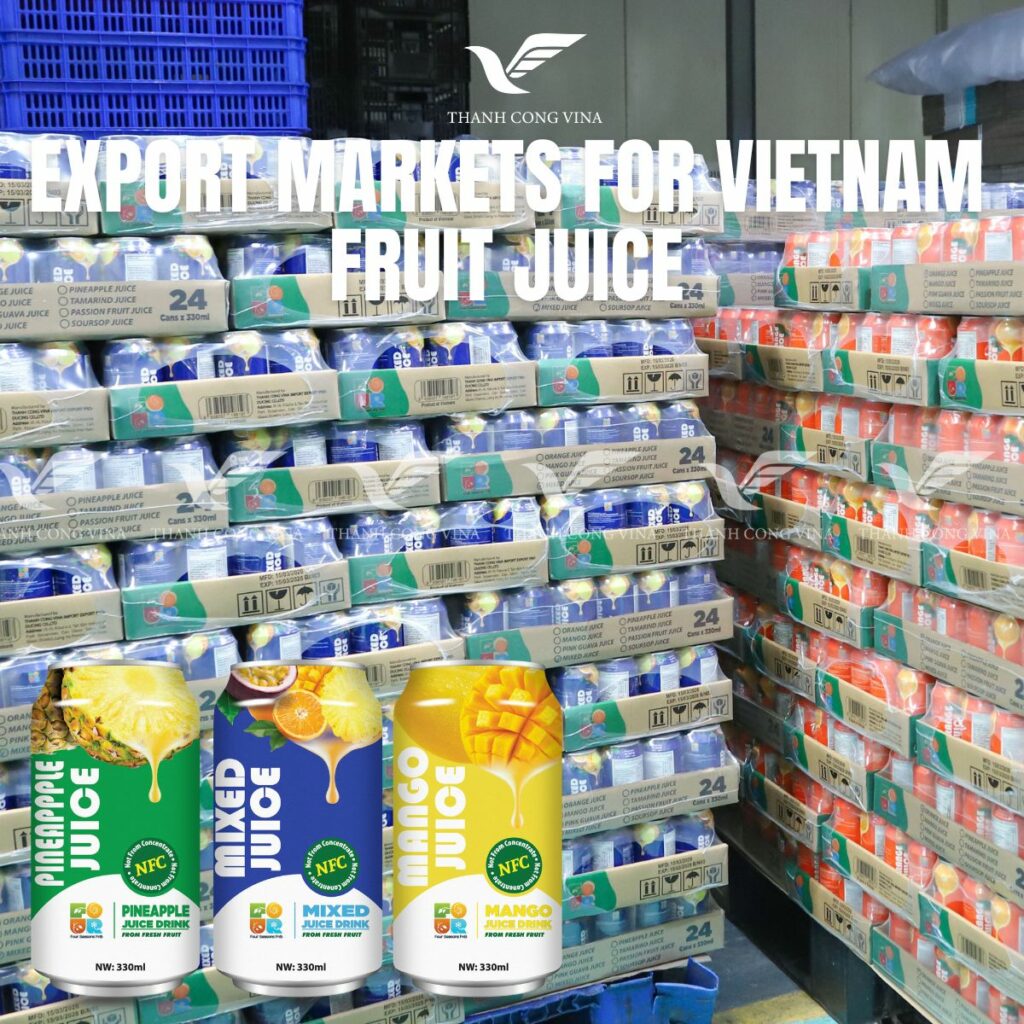
5. Export Markets for Vietnam Fruit Juice
North America and Europe
North America and Europe are among the largest markets for Vietnam Fruit Juice exports. Consumers in these regions increasingly prefer natural beverages, tropical flavors, and products containing real fruit ingredients. Vietnamese exporters benefit from these trends because the country specializes in tropical fruit beverage production.
Many importers in Europe and North America also seek OEM manufacturing partners capable of producing private label beverage products. Vietnamese factories can support customized formulations and packaging solutions tailored to specific market demands.
Asia and the Middle East
Asian markets continue playing an important role in Vietnam’s beverage export growth. Countries such as Japan, South Korea, and China import various tropical beverage products due to increasing consumer interest in Southeast Asian flavors.
The Middle East is also becoming an important destination for Vietnam Fruit Juice exports, especially for HALAL-certified beverages and tropical fruit drinks. Rising tourism and population growth in the region continue increasing beverage demand.
As international markets continue diversifying, Vietnamese exporters are expected to expand their global presence even further over the coming years.
6. Challenges in the Vietnam Fruit Juice Export Market
International Competition
Despite strong growth opportunities, the Vietnam Fruit Juice industry also faces increasing competition from other tropical beverage exporters such as Thailand, Brazil, and the Philippines. These countries also possess strong agricultural resources and established beverage industries.
To remain competitive, Vietnamese manufacturers must continue investing in technology, certifications, and product innovation. Improving packaging quality and strengthening branding strategies are also essential for long-term export success.
Supply Chain and Logistics Challenges
Global logistics disruptions and transportation costs can affect export performance. Beverage manufacturers must carefully manage inventory systems, shipping schedules, and packaging durability to reduce operational risks.
Climate conditions and seasonal agricultural fluctuations may also impact fruit supply stability. Professional factories increasingly cooperate with farming regions to improve sourcing consistency and reduce production disruptions.
Maintaining stable quality while controlling costs remains one of the biggest challenges for export-oriented Vietnam Fruit Juice manufacturers.
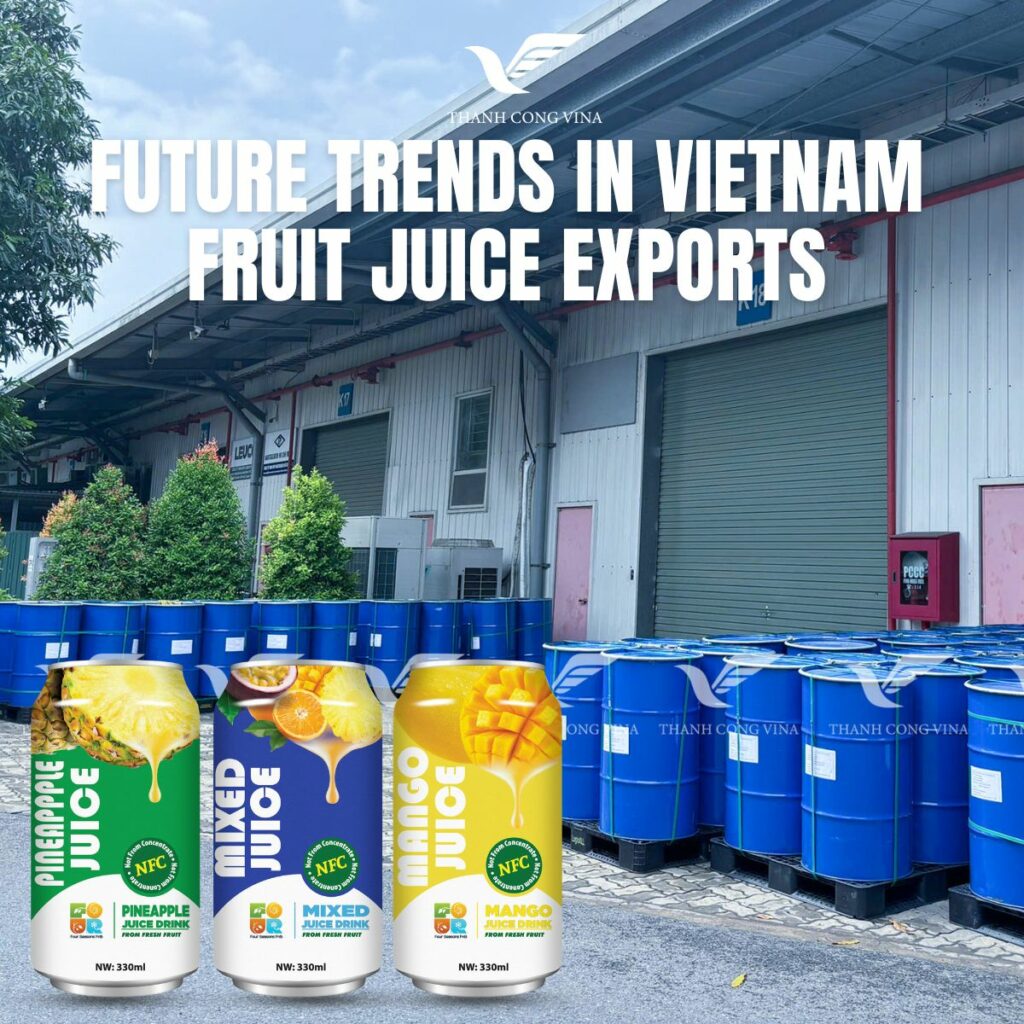
7. Future Trends in Vietnam Fruit Juice Exports
Health and Wellness Beverage Trends
Consumer demand for healthier beverages continues driving innovation in the Vietnam Fruit Juice industry. Products containing natural ingredients, reduced sugar content, and functional health benefits are becoming increasingly popular worldwide.
Coconut water, aloe vera beverages, vitamin-rich fruit blends, and organic juice products are expected to experience strong future growth. Manufacturers are also exploring clean-label formulations that avoid artificial preservatives and synthetic ingredients.
Sustainability and Product Innovation
Sustainability is becoming another major focus within the beverage industry. International buyers increasingly prefer suppliers that use environmentally friendly packaging, energy-saving production systems, and responsible sourcing practices.
Vietnamese manufacturers are also developing innovative beverage concepts such as sparkling fruit drinks, functional juice blends, and premium tropical juice combinations. Companies that continue investing in sustainability and product development are likely to strengthen their competitiveness in international markets.
As beverage trends continue evolving, innovative Vietnam Fruit Juice exporters are expected to play an even more important role in the global beverage supply chain.
Conclusion
The global beverage industry continues creating strong opportunities for Vietnam Fruit Juice exporters as consumers increasingly seek natural, tropical, and health-focused beverages. Vietnam’s rich agricultural resources, competitive manufacturing costs, and expanding food processing capabilities have positioned the country as one of Asia’s most promising fruit juice export centers.
Modern production systems, international certifications, advanced packaging technology, and flexible OEM manufacturing services allow Vietnamese suppliers to compete successfully in major international markets. Beverage companies worldwide are increasingly recognizing Vietnam as a reliable source of tropical fruit beverages and customized private label solutions.
Although challenges such as global competition and logistics pressures remain, the long-term growth outlook for Vietnam’s beverage export industry remains highly positive. With strong manufacturing expertise, export experience, and commitment to quality improvement, Thanh Cong Vina continues supporting global partners with premium beverage solutions and reliable OEM services. Businesses searching for trusted Vietnam Fruit Juice suppliers can confidently cooperate with Thanh Cong Vina Beverage for sustainable growth and international beverage market success.
