
Products Knowledge
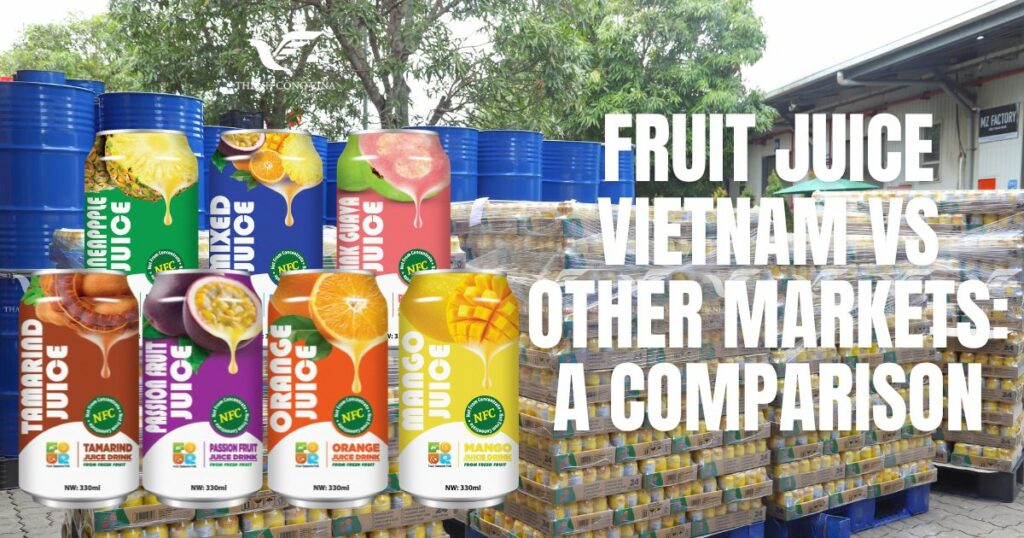
Fruit Juice Vietnam vs Other Markets: A Comparison
Jun
Fruit Juice Vietnam has emerged as one of the most competitive sectors in the global beverage industry. Over the past decade, Vietnam has transformed from a primarily agricultural exporter into a major supplier of fruit juice products, juice concentrates, coconut water, aloe vera beverages, and tropical fruit drinks for international markets. As consumer demand for natural and fruit-based beverages continues to rise, importers and beverage brands are increasingly comparing sourcing destinations to identify the best combination of quality, pricing, reliability, and innovation.
Today, buyers can source fruit juice products from various regions including Thailand, China, India, Brazil, Mexico, and several European countries. However, Vietnam has developed unique advantages that distinguish its beverage industry from competing markets. Abundant tropical fruit resources, competitive production costs, advanced manufacturing technologies, and expanding export expertise have strengthened the position of Fruit Juice Vietnam in the international marketplace.
Understanding how Vietnam compares with other global sourcing destinations can help importers, distributors, wholesalers, and beverage brands make informed purchasing decisions. This article examines the strengths, challenges, and competitive advantages of Vietnam’s fruit juice industry relative to other major producing countries.
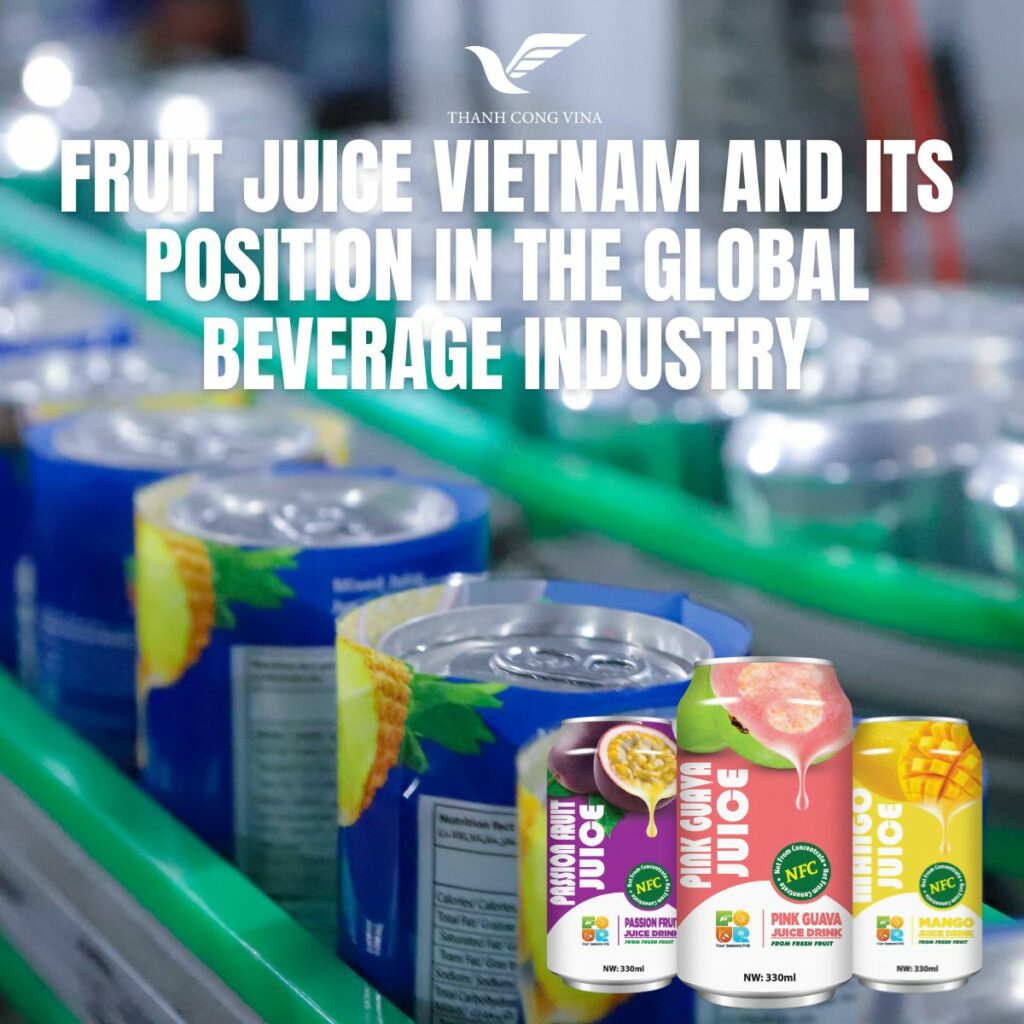
1. Fruit Juice Vietnam and Its Position in the Global Beverage Industry
The Rapid Growth of Vietnam’s Juice Sector
The development of Fruit Juice Vietnam has been driven by strong investments in agriculture, food processing, and export infrastructure. Vietnam possesses favorable tropical growing conditions that support the cultivation of a diverse range of fruits including mango, pineapple, passion fruit, guava, dragon fruit, orange, lychee, coconut, and calamansi.
As global demand for tropical beverages increased, Vietnamese manufacturers expanded production capacity and adopted modern processing technologies. These investments allowed local producers to compete more effectively with established beverage exporters.
Compared with many developing markets, Vietnam has demonstrated consistent growth in both production volume and export value. Manufacturers continue investing in automation, quality control systems, and product innovation to strengthen competitiveness.
Strategic Geographic Advantages
One important advantage of Fruit Juice Vietnam is its strategic location within Southeast Asia. Vietnam provides convenient access to major Asian markets while maintaining efficient shipping connections to Europe, North America, Australia, and the Middle East.
Compared to suppliers located in South America or Africa, Vietnamese exporters often benefit from shorter transit times to Asian destinations. This logistical advantage helps reduce transportation costs and improve supply chain efficiency for many international buyers.
As trade agreements continue expanding market access, Vietnam’s position within global beverage supply chains is expected to strengthen further.
2. Comparing Fruit Resources: Vietnam Versus Other Producing Countries
Diversity of Tropical Fruits
One of the strongest advantages of Fruit Juice Vietnam is the diversity of fruits available for beverage production. Vietnam’s tropical climate supports a broad selection of fruits that can be harvested throughout different seasons of the year.
Countries such as Brazil are well known for orange production, while India dominates certain mango categories. Thailand is recognized for pineapple and coconut products. However, Vietnam offers a unique combination of multiple tropical fruits within a single sourcing destination.
This diversity provides flexibility for importers seeking various juice products from one supplier. Rather than sourcing from multiple countries, buyers can often obtain a wide portfolio of fruit-based beverages directly from Vietnam.
Raw Material Availability
Compared with some competing markets, Fruit Juice Vietnam benefits from stable fruit production supported by extensive agricultural regions. Continuous harvesting cycles help maintain year-round supply availability for many fruit categories.
Other markets may face seasonal limitations that affect production schedules and export reliability. Vietnam’s agricultural diversity helps reduce these risks while supporting long-term supply consistency.
For importers prioritizing reliable sourcing, stable raw material availability is a significant advantage that strengthens Vietnam’s competitive position.
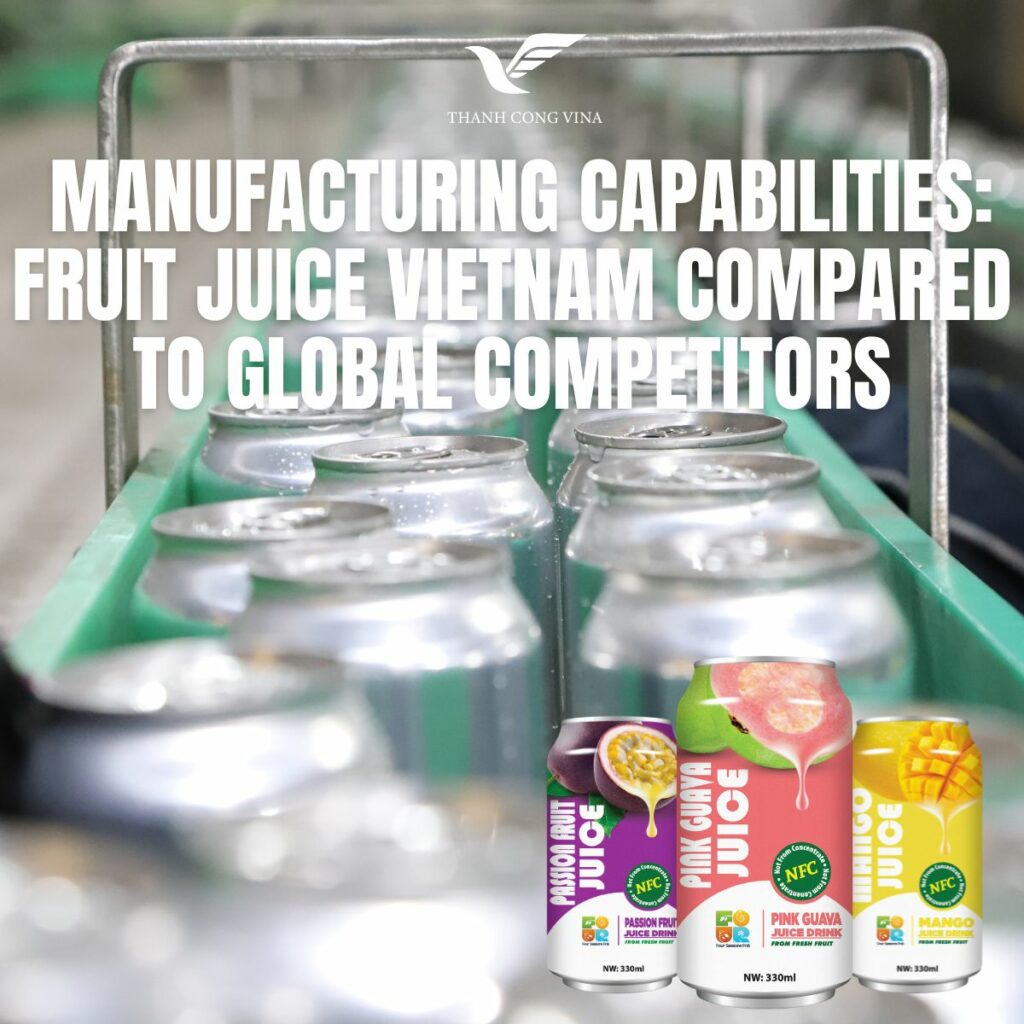
3. Manufacturing Capabilities: Fruit Juice Vietnam Compared to Global Competitors
Modern Processing Technologies
The competitiveness of Fruit Juice Vietnam extends beyond agriculture into advanced manufacturing capabilities. Over recent years, Vietnamese beverage producers have invested heavily in modern processing systems, aseptic filling lines, automated packaging equipment, and laboratory testing facilities.
Compared with some emerging markets, Vietnam offers increasingly sophisticated production infrastructure capable of meeting international quality standards. These investments help manufacturers produce consistent products while maintaining efficiency.
Advanced technology also enables Vietnamese producers to develop customized formulations, private label products, and innovative beverage concepts tailored to specific market requirements.
Production Flexibility
Another advantage of Fruit Juice Vietnam is manufacturing flexibility. Many factories provide OEM and private label services that allow international customers to customize flavors, packaging, formulations, and branding.
Some competing markets focus primarily on commodity exports with limited customization capabilities. Vietnamese manufacturers increasingly differentiate themselves by offering value-added services that support product development and market expansion.
This flexibility is particularly attractive for distributors, retailers, and beverage startups seeking unique product offerings.
4. Cost Competitiveness and Pricing Comparison
Labor and Production Costs
Pricing remains one of the most important considerations when comparing sourcing destinations. Fruit Juice Vietnam benefits from competitive labor costs relative to many developed countries and several regional competitors.
Lower operational expenses help manufacturers maintain attractive pricing structures while investing in quality improvements and modern technology. Importers often find that Vietnam offers an effective balance between affordability and product quality.
Countries in Europe generally face higher labor and manufacturing costs, which can increase product pricing. Meanwhile, some lower-cost markets may struggle to meet international quality expectations consistently.
Vietnam’s ability to combine competitive pricing with improving quality standards creates significant value for global buyers.
Long-Term Cost Efficiency
When evaluating sourcing options, buyers must consider total ownership costs rather than product pricing alone. Reliable Fruit Juice Vietnam suppliers often help reduce costs associated with quality issues, shipment delays, regulatory compliance problems, and product inconsistencies.
Consistent quality and dependable logistics contribute to long-term cost efficiency, making Vietnam an increasingly attractive sourcing destination for beverage manufacturers worldwide.
As production technologies continue improving, Vietnam is expected to maintain strong cost competitiveness within international markets.
5. Quality Standards and Certifications Across Markets
International Compliance Requirements
Quality assurance has become a major differentiator within the global beverage industry. Leading manufacturers of Fruit Juice Vietnam products increasingly comply with international certifications such as HACCP, ISO 22000, GMP, HALAL, and FDA requirements.
These certifications help verify food safety, traceability, and manufacturing consistency. International buyers often prioritize certified suppliers because certifications reduce procurement risks and simplify supplier qualification processes.
Compared with some developing markets, Vietnam has made substantial progress in strengthening quality management systems and food safety compliance.
Traceability and Transparency
Global consumers increasingly demand transparency regarding ingredient sourcing and production practices. Many producers of Fruit Juice Vietnam products have implemented traceability systems that monitor products from farm to finished shipment.
This level of transparency enhances buyer confidence and supports compliance with international regulations. Some competing markets are still developing comparable traceability capabilities.
As food safety expectations continue increasing worldwide, traceability will remain an important competitive advantage for Vietnamese exporters.
6. Export Markets and International Trade Performance
Expanding Global Reach
The export performance of Fruit Juice Vietnam demonstrates the industry’s growing international competitiveness. Vietnamese products are now distributed across North America, Europe, Asia-Pacific, Australia, and the Middle East.
This geographic diversification helps reduce dependency on any single market while creating broader growth opportunities. Importers benefit from working with suppliers experienced in serving diverse international customers.
Many competing countries maintain strong positions within specific regions but may not offer the same level of market diversification as Vietnam.
Trade Agreements Supporting Growth
Vietnam has established numerous trade agreements that facilitate access to international markets. These agreements often provide tariff advantages and simplify export procedures.
Compared with some competing exporters, Vietnamese suppliers may benefit from more favorable trade conditions in certain markets. These advantages contribute to stronger competitiveness and increased export opportunities for Fruit Juice Vietnam products.
Trade integration is expected to continue supporting industry growth in the coming years.
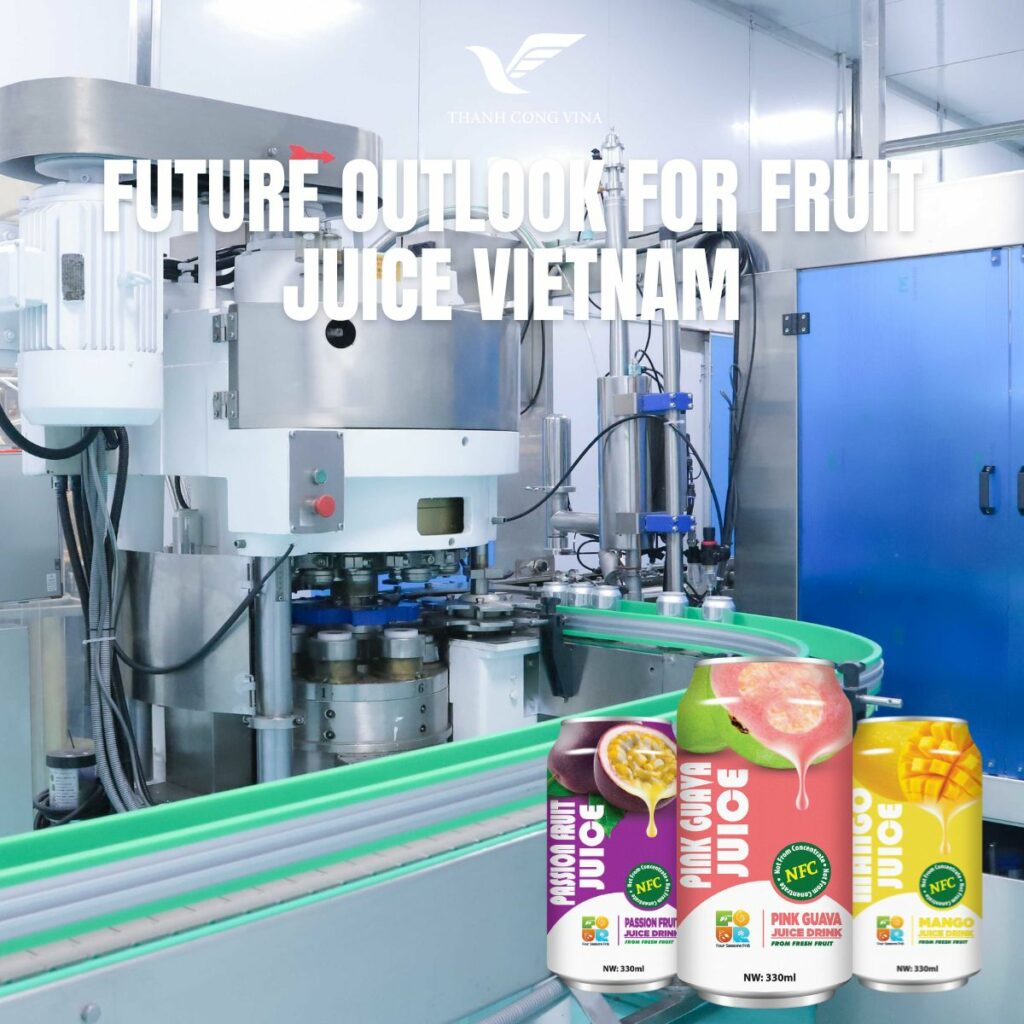
7. Future Outlook for Fruit Juice Vietnam
Responding to Consumer Trends
The future success of Fruit Juice Vietnam will depend largely on the industry’s ability to respond to evolving consumer preferences. Demand for natural ingredients, clean-label beverages, reduced-sugar formulations, and functional drinks continues increasing globally.
Vietnamese manufacturers are investing in research, product innovation, and sustainable production practices to meet these changing requirements. These efforts help strengthen competitiveness relative to other sourcing destinations.
The ability to adapt quickly to market trends will remain an important factor influencing future growth.
Sustainability and Innovation
Sustainability is becoming increasingly important in supplier evaluations. Manufacturers of Fruit Juice Vietnam products are implementing environmentally responsible production practices, energy-efficient technologies, and sustainable sourcing initiatives.
Innovation in packaging, ingredient development, and processing technology will further support long-term competitiveness. As international buyers place greater emphasis on sustainability, Vietnamese suppliers that embrace these principles will continue gaining market share.
The combination of innovation, sustainability, and agricultural strength positions Vietnam for continued expansion within the global beverage industry.
Conclusion
The comparison between Fruit Juice Vietnam and other major beverage-producing markets demonstrates why Vietnam has become an increasingly attractive sourcing destination for international buyers. The country combines abundant tropical fruit resources, diverse product offerings, modern manufacturing capabilities, competitive pricing, strong quality systems, and expanding export expertise within a single market.
While countries such as Brazil, Thailand, India, and China each possess specific strengths, Vietnam offers a balanced combination of flexibility, reliability, innovation, and cost efficiency that appeals to importers, distributors, and beverage brands worldwide. Continuous investment in food safety, certifications, traceability, and sustainable production further strengthens its competitive position.
For businesses seeking a trusted sourcing partner, Thanh Cong Vina provides extensive industry experience, advanced production technology, comprehensive OEM services, and a commitment to international quality standards. By combining innovation, reliability, and customer-focused solutions, Thanh Cong Vina continues supporting global partners with premium beverage products and helping businesses achieve sustainable growth through high-quality Fruit Juice Vietnam.
