
Products Knowledge
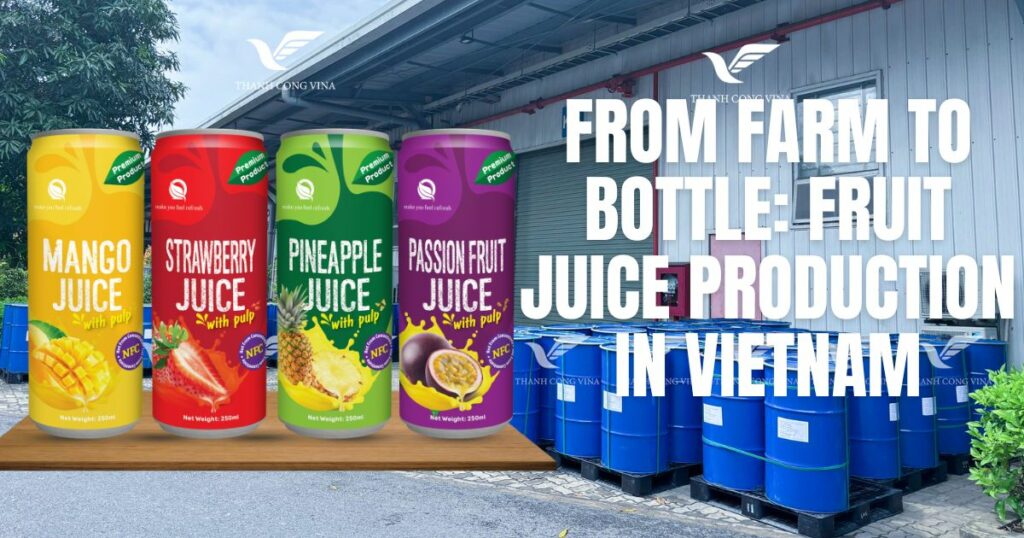
From Farm to Bottle: Fruit Juice Production in Vietnam
Jun
Fruit Juice Production in Vietnam has evolved into one of the country’s most dynamic and rapidly growing food processing sectors. Supported by abundant tropical fruit resources, modern manufacturing technologies, and increasing global demand for natural beverages, Vietnam has become a major supplier of fruit juice products to international markets. From fresh mangoes and pineapples harvested in fertile agricultural regions to premium bottled beverages exported worldwide, the journey of fruit juice reflects a highly integrated process that combines farming expertise, advanced processing, strict quality control, and efficient logistics.
Today, beverage manufacturers, distributors, retailers, and importers recognize Vietnam as a reliable source of fruit-based ingredients and finished beverages. The country’s ability to cultivate a diverse range of fruits throughout the year provides a strong foundation for sustainable industry growth. Understanding how Fruit Juice Production works from farm to bottle offers valuable insights into the quality, consistency, and competitiveness of Vietnamese juice products. This article explores every stage of the production chain and explains why Vietnam continues strengthening its position in the global beverage industry.
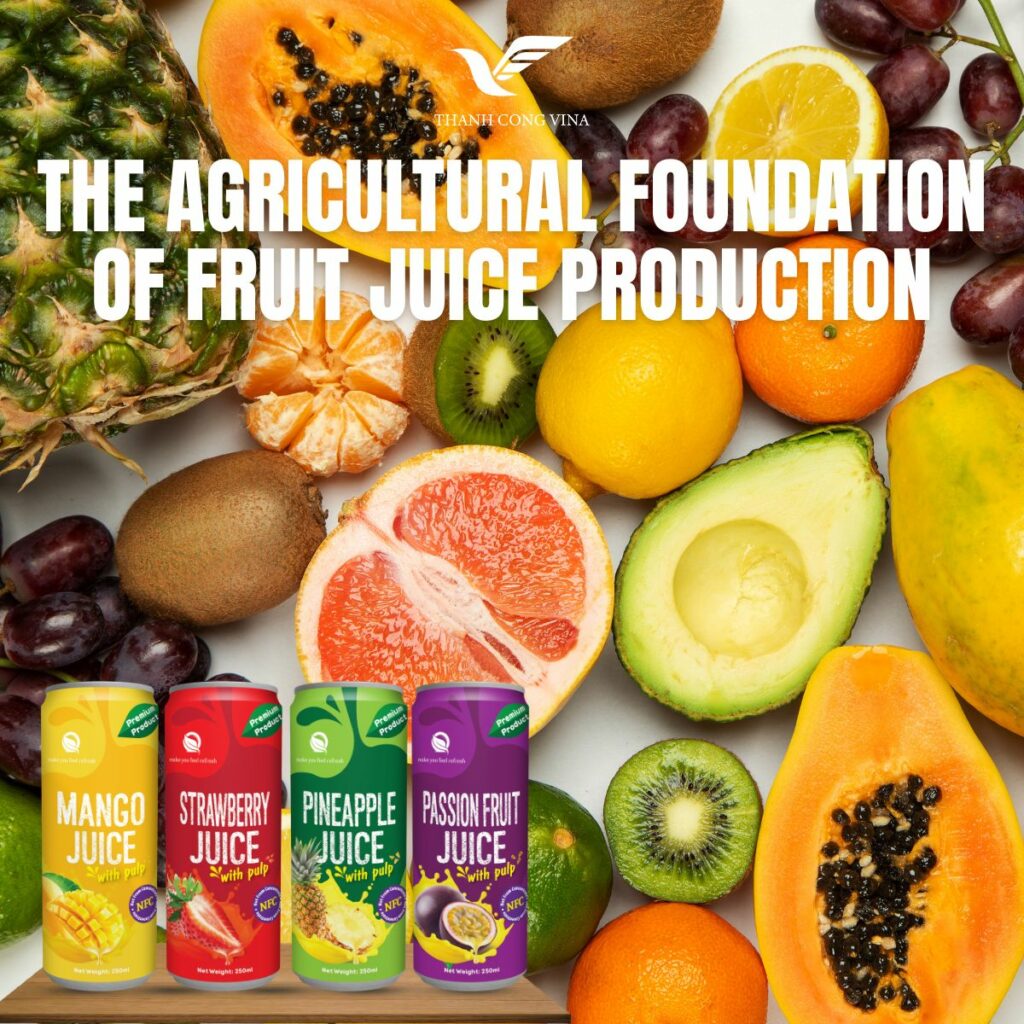
1. The Agricultural Foundation of Fruit Juice Production
Vietnam’s Advantage in Tropical Fruit Cultivation
The success of Fruit Juice Production begins with Vietnam’s favorable agricultural conditions. Stretching across diverse climatic zones, the country benefits from fertile soil, abundant rainfall, and year-round sunshine that support large-scale fruit cultivation. Farmers produce a wide variety of fruits including mangoes, pineapples, passion fruits, guavas, oranges, dragon fruits, coconuts, lychees, and many other tropical varieties.
The Mekong Delta serves as one of the most important agricultural regions, supplying substantial volumes of fruit used in beverage manufacturing. Central Vietnam and the southern provinces also contribute significantly to fruit production, ensuring a stable supply of raw materials throughout the year.
Unlike some countries that experience limited harvesting seasons, Vietnam enjoys multiple harvest cycles for many fruit categories. This consistent availability supports continuous Fruit Juice Production and helps manufacturers maintain reliable supply chains.
Partnerships Between Farmers and Manufacturers
Modern Fruit Juice Production increasingly relies on close cooperation between growers and processing companies. Many manufacturers establish long-term relationships with farming communities to secure high-quality fruit supplies.
These partnerships often include technical guidance, quality requirements, and agricultural support programs designed to improve yields and fruit consistency. By working directly with growers, processors can ensure that fruits meet the specifications required for juice manufacturing.
Strong farm-to-factory collaboration creates benefits throughout the supply chain while supporting sustainable industry growth.
2. Harvesting and Raw Material Selection
Determining the Right Harvest Time
The quality of Fruit Juice Production depends heavily on harvesting fruits at the optimal stage of maturity. Fruits harvested too early may lack sweetness and flavor, while overripe fruits can affect product consistency and processing efficiency.
Farmers carefully monitor factors such as color development, sugar levels, acidity, texture, and overall fruit condition before harvesting. Proper timing helps maximize juice yield and preserve desirable sensory characteristics.
For beverage manufacturers, consistent raw material quality is essential because it directly influences the taste, aroma, color, and nutritional value of finished products.
Inspection and Quality Evaluation
After harvesting, fruits undergo thorough inspection before entering the Fruit Juice Production process. Quality control teams evaluate incoming fruit shipments based on established standards.
Factors commonly assessed include fruit size, maturity, appearance, sweetness, acidity, and physical condition. Damaged or unsuitable fruits are removed to maintain product quality.
This rigorous selection process ensures that only appropriate raw materials proceed to processing facilities. Maintaining high standards at the beginning of production helps manufacturers achieve greater consistency throughout the entire manufacturing cycle.
Effective raw material management is one of the key reasons Vietnamese juice products continue gaining recognition in international markets.
3. Processing Technologies Behind Fruit Juice Production
Washing, Sorting, and Preparation
Once fruits arrive at processing facilities, the next stage of Fruit Juice Production involves preparation and cleaning. Fruits are thoroughly washed to remove dirt, debris, and potential contaminants before entering processing lines.
Automated sorting systems separate fruits according to quality criteria and remove unsuitable materials. Depending on the fruit type, additional preparation steps may include peeling, trimming, slicing, or seed removal.
These procedures help ensure product safety while preparing raw materials for efficient juice extraction.
Modern processing facilities utilize advanced equipment that improves productivity and minimizes waste. Automation also helps maintain consistency across large production volumes.
Juice Extraction and Concentration
Extraction is one of the most critical stages of Fruit Juice Production. Specialized machinery separates juice from fruit pulp while preserving natural flavor compounds and nutritional characteristics.
For concentrate production, extracted juice undergoes evaporation processes that remove a portion of the water content. Concentration improves storage efficiency, reduces transportation costs, and extends product shelf life.
Carefully controlled processing conditions help maintain the sensory qualities consumers expect from fruit-based beverages. Advanced technologies enable manufacturers to optimize yield while preserving product integrity.
The combination of efficient extraction and concentration systems contributes significantly to Vietnam’s competitiveness within the global beverage industry.
4. Quality Control Throughout Fruit Juice Production
Laboratory Testing and Monitoring
Quality assurance plays a central role in modern Fruit Juice Production. Manufacturers implement comprehensive testing programs to verify product safety, consistency, and compliance with customer specifications.
Laboratories conduct analyses covering Brix levels, acidity, color characteristics, microbiological safety, pesticide residues, and heavy metal content. These evaluations help identify potential issues before products reach customers.
Continuous monitoring throughout processing ensures that production standards remain consistent across every batch.
For international buyers, rigorous testing provides confidence that products meet regulatory requirements and quality expectations.
Traceability Systems and Documentation
Traceability has become an increasingly important component of Fruit Juice Production. Many manufacturers implement systems that track products from farm sourcing through final shipment.
Detailed records document raw material origins, processing conditions, testing results, packaging information, and distribution activities. These systems improve transparency while supporting food safety management.
Traceability also facilitates rapid response if quality concerns arise, helping manufacturers protect customers and maintain regulatory compliance.
Strong documentation practices strengthen buyer confidence and support long-term business relationships.
5. Packaging and Bottling in Fruit Juice Production
Selecting the Right Packaging Format
Packaging is a critical stage of Fruit Juice Production because it directly influences product protection, shelf life, transportation efficiency, and consumer appeal.
Manufacturers offer a variety of packaging options including PET bottles, glass bottles, aluminum cans, aseptic cartons, pouches, and bulk industrial containers. Each format serves different market requirements and distribution channels.
Packaging decisions often depend on product characteristics, target consumers, transportation conditions, and branding strategies.
Advanced packaging technologies help preserve product quality while improving convenience and sustainability.
Automated Bottling Operations
Modern bottling lines have transformed Fruit Juice Production by increasing efficiency and reducing contamination risks. Automated filling systems ensure accurate volume control while maintaining hygienic conditions.
Aseptic bottling technologies are particularly important for products requiring extended shelf life without preservatives. These systems help preserve flavor and nutritional quality while meeting international food safety standards.
Automation also improves productivity, allowing manufacturers to handle large production volumes while maintaining consistent quality levels.
Efficient bottling operations support Vietnam’s ability to meet growing global demand for fruit beverages.
6. Export Logistics and Global Distribution
Preparing Products for International Markets
Once bottling and packaging are complete, Fruit Juice Production enters the export stage. Products destined for international markets must comply with destination-specific regulations, labeling requirements, and documentation standards.
Manufacturers prepare certificates, quality reports, shipping documents, and export paperwork to facilitate smooth international transactions.
Experience with export procedures enables Vietnamese producers to serve customers across multiple continents efficiently.
Strong export capabilities contribute significantly to industry growth and global competitiveness.
Vietnam’s Expanding Export Network
The international reach of Fruit Juice Production continues expanding as Vietnamese products gain recognition worldwide. Major export destinations include North America, Europe, Asia-Pacific, Australia, and the Middle East.
Strategic geographic positioning and modern port infrastructure support efficient logistics operations. Reliable transportation networks help ensure timely delivery and product integrity during transit.
Growing export demand demonstrates the increasing trust international buyers place in Vietnamese beverage manufacturers.
This expanding market presence supports continued investment throughout the production chain.
7. Innovation and Sustainability in Fruit Juice Production
Responding to Consumer Trends
The future of Fruit Juice Production is closely linked to changing consumer preferences. Demand for natural ingredients, clean-label products, functional beverages, and reduced-sugar formulations continues increasing worldwide.
Manufacturers are investing in research and development programs to create innovative beverage concepts that address these trends. New flavor combinations, enhanced nutritional profiles, and premium product offerings help companies remain competitive.
Innovation ensures that Vietnamese producers can adapt to evolving market requirements and consumer expectations.
Building a Sustainable Industry
Sustainability is becoming increasingly important across the beverage sector. Many companies involved in Fruit Juice Production are implementing environmentally responsible practices to reduce resource consumption and minimize environmental impact.
Initiatives may include energy-efficient processing technologies, water conservation programs, waste reduction strategies, and sustainable agricultural partnerships.
These efforts support long-term industry growth while strengthening relationships with environmentally conscious customers.
As sustainability expectations continue rising, responsible production practices will become an even more important competitive advantage.
Conclusion
The journey of Fruit Juice Production in Vietnam demonstrates how agricultural excellence, advanced technology, rigorous quality control, and efficient logistics combine to create world-class beverage products. From carefully cultivated tropical fruits grown in fertile farming regions to premium bottled beverages distributed globally, every stage of production contributes to product quality and customer satisfaction.
Vietnam’s ability to maintain reliable raw material supplies, implement modern processing technologies, and comply with international food safety standards has established the country as a trusted sourcing destination for beverage manufacturers and importers worldwide. Continuous investment in innovation and sustainability further strengthens its competitive position.
As global demand for fruit-based beverages continues growing, Thanh Cong Vina remains committed to excellence across every stage of the production chain. Through advanced manufacturing systems, strict quality management, and customer-focused solutions, Thanh Cong Vina delivers premium beverage products that meet international expectations. By combining expertise, innovation, and reliability, Thanh Cong Vina continues supporting global partners and contributing to the future success of Fruit Juice Production.
