
Products Knowledge
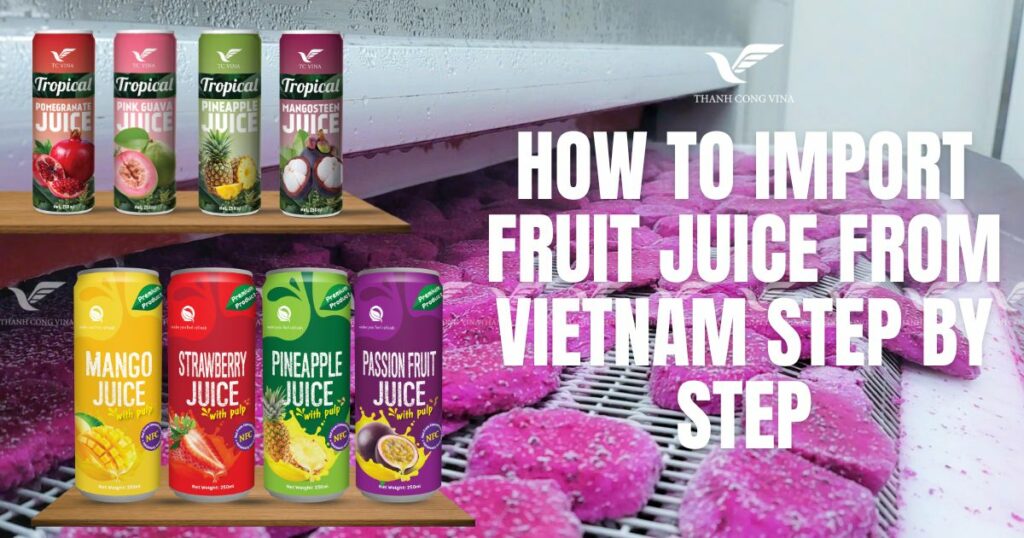
How to Import Fruit Juice from Vietnam Step by Step
Jun
Fruit Juice from Vietnam has gained strong recognition in international markets due to its high quality, tropical fruit diversity, competitive pricing, and reliable manufacturing capabilities. As global consumers increasingly seek natural and fruit-based beverages, importers, distributors, supermarket chains, beverage brands, and private-label companies are looking for dependable sourcing destinations that can meet growing demand while maintaining quality standards.
Vietnam has become one of the leading suppliers of tropical fruit beverages thanks to its abundant agricultural resources, advanced processing facilities, and export-oriented production model. Products such as mango juice, pineapple juice, passion fruit juice, guava juice, lychee juice, dragon fruit juice, coconut water beverages, and mixed tropical fruit drinks are now exported to numerous countries worldwide.
For businesses entering the beverage import sector, understanding the import process is essential for reducing risks and ensuring successful transactions. This guide explains how to import Fruit Juice from Vietnam step by step, covering supplier selection, product evaluation, certifications, logistics, documentation, customs clearance, and long-term sourcing strategies.
1. Understanding the Market for Fruit Juice from Vietnam
Why Vietnam Has Become a Major Exporter
The growing popularity of Fruit Juice from Vietnam is closely linked to the country’s agricultural strengths. Vietnam’s tropical climate supports year-round cultivation of fruits used in beverage production, creating a stable supply chain for manufacturers and exporters.
The country produces a broad variety of fruits including mangoes, pineapples, passion fruits, guavas, oranges, coconuts, dragon fruits, lychees, and pomelos. These fruits provide manufacturers with abundant raw materials for both juice and concentrate production.
Over the past decade, significant investments in food processing technology have strengthened Vietnam’s export competitiveness. Modern factories now operate advanced extraction systems, aseptic filling lines, pasteurization equipment, and quality control laboratories.
These developments have helped position Fruit Juice from Vietnam as a trusted sourcing option for buyers across North America, Europe, Asia-Pacific, Australia, and the Middle East.
Identifying Business Opportunities
Before importing, businesses should evaluate local market demand and identify opportunities for specific product categories. Some markets favor premium tropical juices, while others focus on private-label beverages, retail-ready products, or foodservice solutions.
Understanding consumer preferences can help importers select the most suitable Fruit Juice from Vietnam products and maximize commercial success.
Market research should be completed before initiating supplier discussions.
2. Step 1: Finding Reliable Suppliers
Researching Potential Manufacturers
The first step in importing Fruit Juice from Vietnam is identifying trustworthy suppliers. Buyers should conduct comprehensive research to evaluate manufacturers based on production capabilities, export experience, certifications, and product portfolios.
Reliable suppliers typically maintain professional websites, export records, product catalogs, and international certifications. Trade exhibitions, industry directories, and business referrals can also provide valuable supplier information.
When comparing manufacturers, buyers should focus on quality systems rather than selecting suppliers based solely on pricing.
Strong supplier selection forms the foundation of successful importing operations.
Evaluating Supplier Reputation
After identifying potential suppliers, importers should assess credibility through customer references, export history, and business documentation.
Professional exporters of Fruit Juice from Vietnam are generally transparent about their certifications, manufacturing facilities, laboratory capabilities, and quality management programs.
Requesting company profiles, production certifications, and product specifications helps verify supplier reliability.
Long-term sourcing success depends heavily on choosing the right manufacturing partner.
3. Step 2: Selecting the Right Fruit Juice from Vietnam Products
Understanding Available Product Categories
Vietnam offers a wide range of beverage products suitable for international markets. Importers should carefully evaluate which products align best with their target customers.
Popular categories include mango juice, pineapple juice, passion fruit juice, guava juice, orange juice, lychee juice, dragon fruit juice, coconut water beverages, and mixed tropical fruit drinks.
The diversity of Fruit Juice from Vietnam products allows importers to create differentiated portfolios that appeal to various consumer segments.
Selecting products based on market demand helps reduce inventory risks and improve sales performance.
Reviewing Product Specifications
Each product should be evaluated according to detailed technical specifications. Buyers should review ingredient lists, juice content, Brix levels, packaging options, shelf life, storage conditions, and production methods.
Product specifications influence regulatory compliance, consumer acceptance, and overall profitability.
Understanding these details helps ensure that selected Fruit Juice from Vietnam products meet both market requirements and customer expectations.
Comprehensive product evaluation minimizes future sourcing challenges.
4. Step 3: Verifying Certifications and Quality Standards
International Food Safety Certifications
Food safety verification is one of the most important stages when importing Fruit Juice from Vietnam. International buyers must ensure that suppliers comply with recognized quality and safety standards.
Common certifications include HACCP, ISO 22000, GMP, HALAL, Kosher, and FDA registration. These certifications demonstrate commitment to food safety and quality management.
Certified manufacturers generally provide stronger assurance regarding production consistency and regulatory compliance.
Importers should verify certification validity before placing purchase orders.
Product Testing and Quality Assurance
In addition to certifications, buyers should review laboratory testing procedures and quality assurance systems.
Manufacturers of Fruit Juice from Vietnam often conduct testing related to microbiological safety, acidity, Brix values, heavy metals, pesticide residues, and product stability.
Independent testing may also be considered for large-volume orders.
Strong quality assurance systems reduce risks associated with product recalls and regulatory issues.
5. Step 4: Requesting Samples and Conducting Evaluations
Product Performance Assessment
Before committing to commercial orders, importers should request product samples. Sampling provides an opportunity to evaluate flavor, aroma, color, texture, packaging quality, and overall product performance.
Testing allows businesses to determine whether Fruit Juice from Vietnam products meet target market expectations.
Internal evaluations may include sensory analysis, shelf-life assessment, packaging review, and consumer testing.
Sample approval helps reduce uncertainty before large-scale procurement.
Comparing Multiple Suppliers
Importers often benefit from evaluating samples from several suppliers before making final decisions.
Comparisons should focus on quality consistency, packaging appearance, communication responsiveness, and technical support capabilities.
This process helps identify the supplier best positioned to support long-term sourcing requirements for Fruit Juice from Vietnam products.
Supplier comparisons provide valuable decision-making insights.
6. Step 5: Negotiating Commercial Terms and Contracts
Pricing and Payment Conditions
Once product selection is complete, importers should negotiate commercial agreements covering pricing, payment methods, minimum order quantities, lead times, and packaging requirements.
Professional suppliers of Fruit Juice from Vietnam generally provide detailed quotations that clearly outline commercial terms.
Negotiations should focus on creating mutually beneficial agreements that support long-term cooperation.
Transparent pricing structures contribute to stronger supplier relationships.
Contract Protection and Documentation
Formal contracts help protect both parties by clearly defining expectations and responsibilities.
Contracts should address product specifications, quality requirements, delivery schedules, inspection procedures, dispute resolution mechanisms, and payment terms.
Well-structured agreements reduce misunderstandings and improve transaction security.
Clear documentation supports successful importing operations.
7. Step 6: Managing Logistics and Customs Procedures
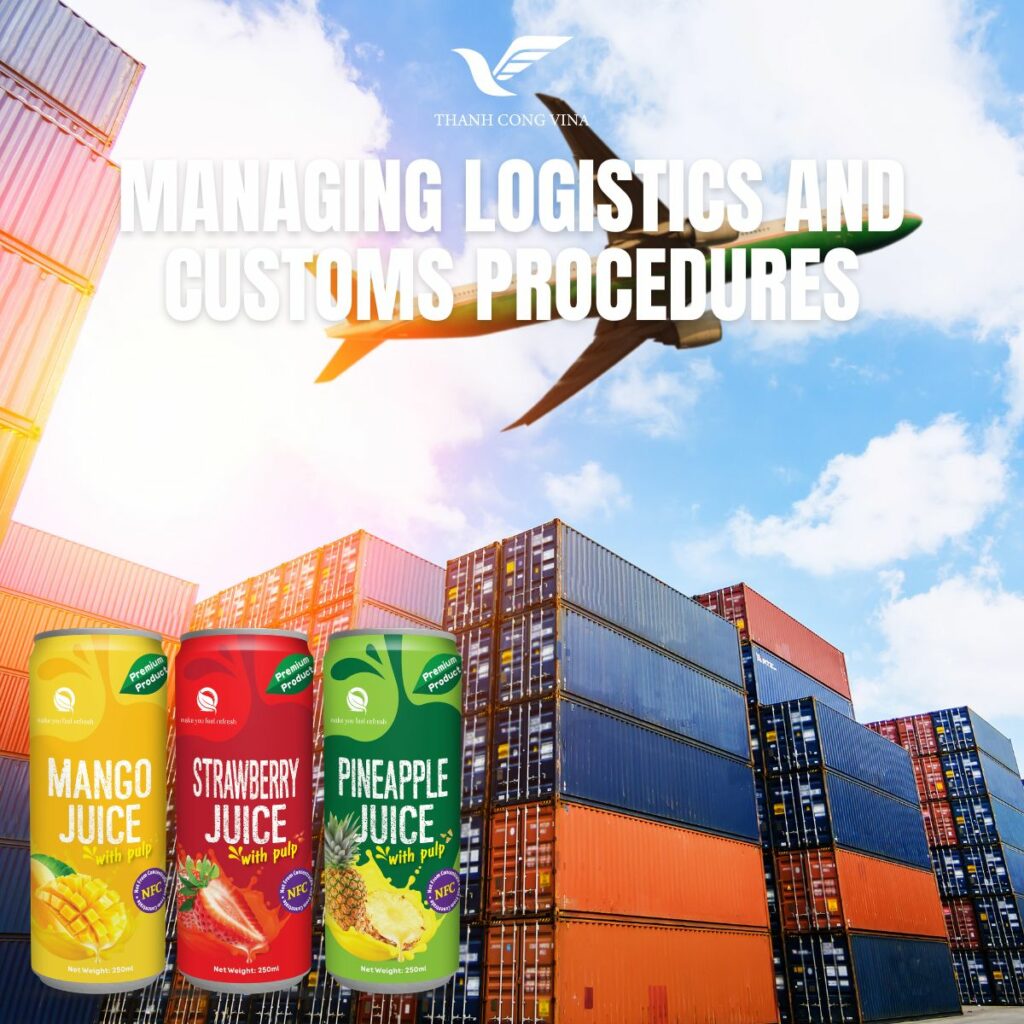
Organizing International Shipping
Shipping arrangements represent a critical stage in importing Fruit Juice from Vietnam. Buyers must determine appropriate transportation methods based on product characteristics, delivery timelines, and budget considerations.
Most exports are transported via ocean freight, although air freight may be used for urgent shipments.
Proper logistics planning helps protect product quality and minimize transportation risks.
Reliable shipping partners contribute significantly to successful import operations.
Customs Clearance Requirements
Importers must understand destination-country customs regulations before importing Fruit Juice from Vietnam products.
Required documents may include commercial invoices, packing lists, certificates of origin, health certificates, product specifications, and shipping documentation.
Accurate paperwork facilitates smooth customs clearance and reduces the likelihood of delays.
Working with experienced customs brokers can simplify import procedures.
8. Step 7: Building Long-Term Supplier Relationships
Continuous Supplier Performance Monitoring
Successful importing does not end after the first shipment. Businesses should continuously evaluate supplier performance based on product quality, communication, delivery reliability, and customer service.
Regular reviews help maintain high standards and identify opportunities for improvement.
Strong supplier management contributes to sustainable growth in Fruit Juice from Vietnam sourcing programs.
Long-term monitoring supports supply chain stability.
Expanding Business Opportunities
As relationships strengthen, importers may explore additional product categories, private-label opportunities, or customized beverage solutions.
Many suppliers offer product development services that help businesses expand market presence and improve competitiveness.
Collaborative partnerships often generate greater value than transactional purchasing arrangements.
Strategic cooperation supports long-term success.
Conclusion
Importing Fruit Juice from Vietnam can be a highly profitable business opportunity when approached with careful planning and thorough supplier evaluation. By understanding market demand, selecting reliable manufacturers, verifying certifications, reviewing product specifications, conducting sample testing, negotiating clear agreements, and managing logistics effectively, importers can significantly reduce risks while maximizing business potential.
Vietnam’s strong agricultural foundation, advanced manufacturing capabilities, international quality standards, and growing export expertise have established the country as a trusted source of premium fruit beverages for global markets. Companies that follow a structured import process are better positioned to benefit from these advantages.
Thanh Cong Vina is proud to support international customers with high-quality beverage products, professional export services, and customer-focused solutions. Through advanced technology, strict quality control, and extensive industry experience, Thanh Cong Vina continues helping businesses successfully source premium tropical beverages. For importers seeking reliable partnerships and sustainable growth opportunities, Thanh Cong Vina remains a trusted supplier of Fruit Juice from Vietnam.
