
Products Knowledge
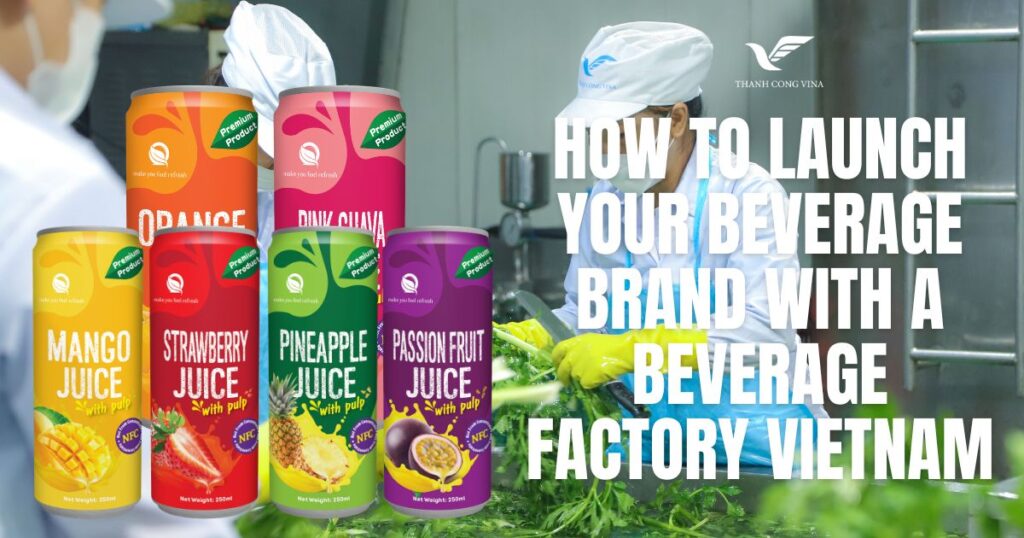
How to Launch Your Beverage Brand with a Beverage Factory Vietnam
Sep
For international entrepreneurs, importers, retailers, and beverage companies, partnering with a reliable Beverage Factory Vietnam can provide an efficient way to transform a product concept into a market-ready beverage. Vietnam has become an increasingly attractive destination for beverage manufacturing because of its agricultural resources, tropical fruit supply, competitive production capabilities, and growing experience in international food and beverage exports. A professional manufacturer can support brands through OEM and ODM services, allowing buyers to customize recipes, packaging, bottle or can sizes, and product specifications according to their target markets.
From the first product idea to commercial production and export, understanding each stage of the manufacturing process can help new beverage brands reduce risks, control costs, and create products with stronger market potential.
1. Why Choose a Beverage Factory Vietnam for Your Brand?
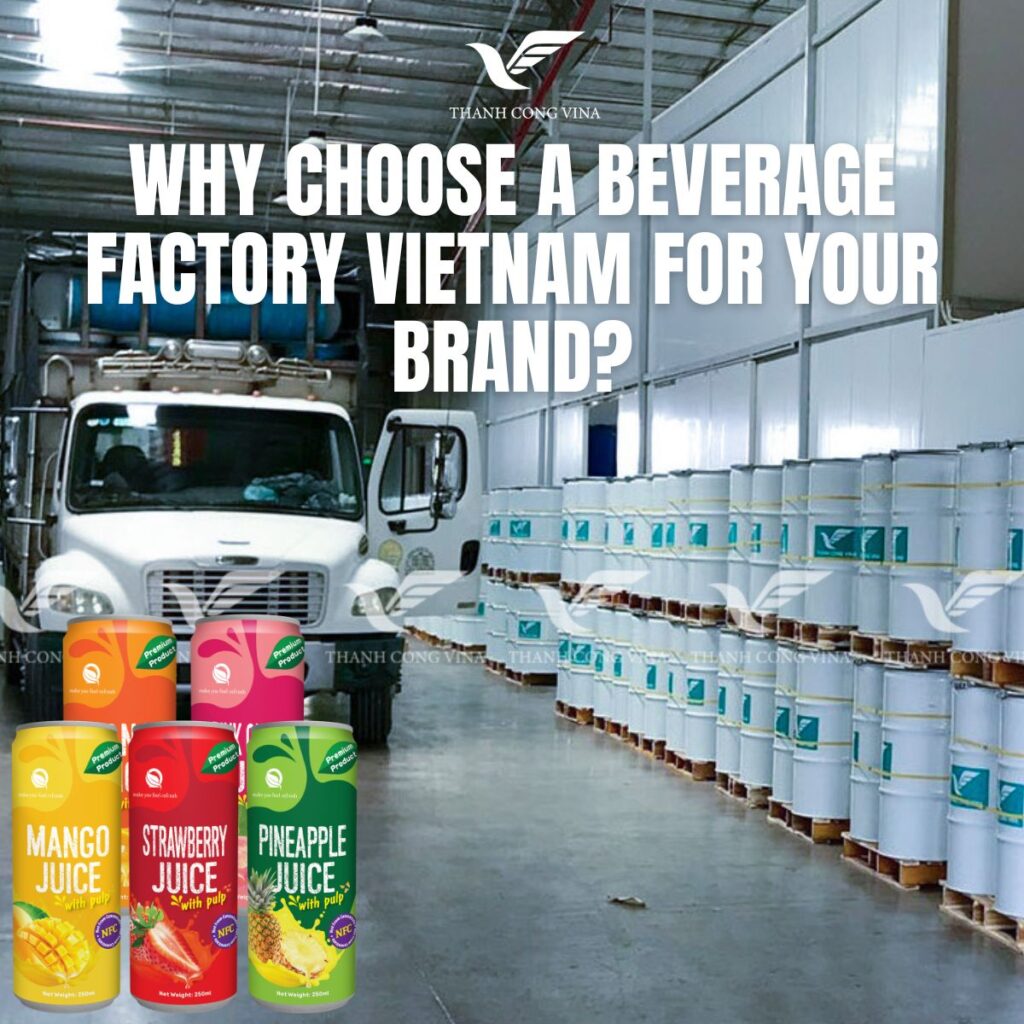
Choosing the right manufacturing location can have a significant impact on the cost, flexibility, and scalability of a beverage business. Vietnam offers several advantages for companies looking to develop beverages for domestic and international markets.
Access to Diverse Agricultural Ingredients
Vietnam has a strong agricultural sector with access to many tropical fruits and plant-based ingredients. Mango, coconut, pineapple, passion fruit, guava, lychee, dragon fruit, aloe vera, and other ingredients can be incorporated into different beverage concepts.
For beverage brands, this creates opportunities to develop products with authentic tropical flavor profiles while sourcing ingredients closer to the manufacturing facility.
Local sourcing can also simplify certain aspects of supply-chain management and provide manufacturers with greater flexibility when developing fruit-based beverages.
Competitive Manufacturing Environment
Vietnam’s beverage industry has developed significantly, with manufacturers serving both domestic customers and international buyers.
For emerging brands, outsourcing production can be more practical than building an independent beverage factory. Instead of investing heavily in processing equipment, filling lines, warehouses, laboratories, and production infrastructure, a brand can work with an established manufacturer.
This allows business owners to focus more resources on branding, marketing, sales, and distribution.
Suitable for Different Business Models
A Vietnamese beverage manufacturer can support different types of customers, including:
- Beverage startups
- Importers
- Distributors
- Supermarket chains
- Foodservice companies
- Retail brands
- E-commerce businesses
- Established beverage companies
This flexibility makes Vietnam suitable for both small-scale product launches and long-term commercial programs.
2. From Beverage Idea to Commercial Product
The first major step in launching a beverage brand is turning an idea into a clearly defined product concept. A professional manufacturing partner can help transform a general idea into a technical specification that can be produced consistently.
Define Your Target Market
Before developing a formula, determine who will purchase the product and where it will be sold.
Different markets may have different expectations regarding flavor, sweetness, ingredients, packaging, nutritional information, and product positioning.
For example, a beverage designed for premium supermarkets may require sophisticated packaging and a distinctive formulation, while a mass-market product may prioritize affordability and convenient packaging.
Understanding the target consumer helps the manufacturer create a more relevant product brief.
Develop the Product Formula
Once the concept has been defined, formulation becomes the next stage.
The formula may involve:
- Fruit juice or fruit puree
- Coconut water
- Natural flavors
- Sweeteners
- Acidity regulators
- Functional ingredients
- Pulp or nata de coco
- Other approved beverage ingredients
The formulation process should balance taste, appearance, stability, shelf life, production feasibility, and cost.
For private label projects, several samples may be developed before the buyer approves the final formula. This stage is important because small adjustments to sweetness, acidity, fruit intensity, or texture can significantly influence consumer acceptance.
Product Sampling and Approval
Sampling allows buyers to evaluate the proposed beverage before committing to mass production.
A proper sample evaluation should consider taste, aroma, color, mouthfeel, packaging compatibility, and overall product positioning.
Once the buyer approves the sample, the final formulation and technical specifications should be documented to create a clear reference for future production batches.
3. Building the Right Packaging for Your Beverage Factory Brand
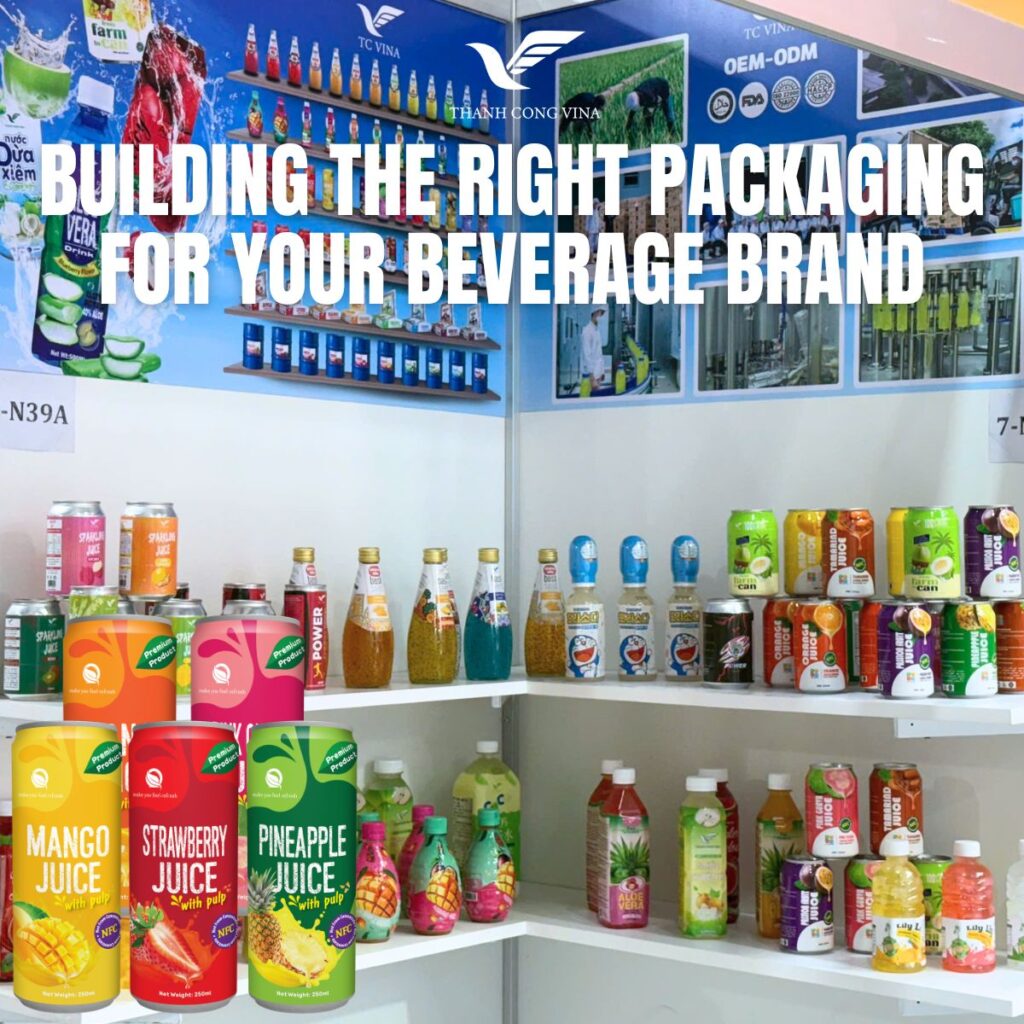
Packaging is not simply a container for the beverage. It is one of the most important elements of brand communication and can influence purchasing decisions at retail.
Select the Appropriate Packaging Format
Depending on the product category and target market, brands may consider PET bottles, cans, cartons, glass bottles, or other suitable formats.
The choice should consider:
- Product characteristics
- Shelf-life requirements
- Distribution conditions
- Consumer convenience
- Transportation costs
- Retail positioning
- Production capabilities
For example, lightweight PET packaging may be suitable for convenience-oriented products, while cans can provide a modern appearance and convenient storage for certain beverage categories.
Create Strong Visual Branding
A beverage package should communicate the product concept quickly.
Brand name, logo, product flavor, key claims, nutritional information, certifications, and mandatory labeling elements need to be organized clearly.
International brands should also ensure that artwork complies with the labeling requirements of the destination country before mass production begins.
Packaging and Carton Configuration
Export beverage projects require more than attractive individual packaging. Buyers should also consider secondary packaging and logistics.
Carton dimensions, units per carton, pallet configuration, container loading, and transportation conditions can affect total logistics costs.
An experienced manufacturer can coordinate packaging specifications with production and shipping requirements to create a more efficient supply chain.
4. Beverage Factory Vietnam: Production, Quality Control, and Safety
Once the product and packaging have been approved, the project moves into commercial manufacturing. This is where production consistency and quality management become essential.
Raw Material Inspection
Quality begins before production starts.
Ingredients and packaging materials should be inspected according to established specifications. Raw materials need to meet the required quality parameters before entering the production process.
This is especially important for fruit-based beverages because variations in raw materials can influence flavor, color, acidity, and consistency.
Controlled Beverage Processing
Depending on the product, manufacturing may involve preparation, blending, filtration, thermal processing, filling, sealing, and packaging.
Each stage should operate under controlled production parameters.
Consistent processing helps ensure that every production batch maintains the approved product specifications.
Finished Product Quality Checks
Before products are released, quality-control procedures can include physical, chemical, microbiological, packaging, and sensory evaluations according to the product requirements.
International buyers should ask potential suppliers about their quality management systems, testing capabilities, traceability procedures, and production documentation.
Certifications and food safety systems such as HACCP, ISO, GMP, HALAL, and FSSC 22000 may also be relevant depending on the manufacturer and destination market.
5. Managing MOQ, Costs, and Production Lead Time
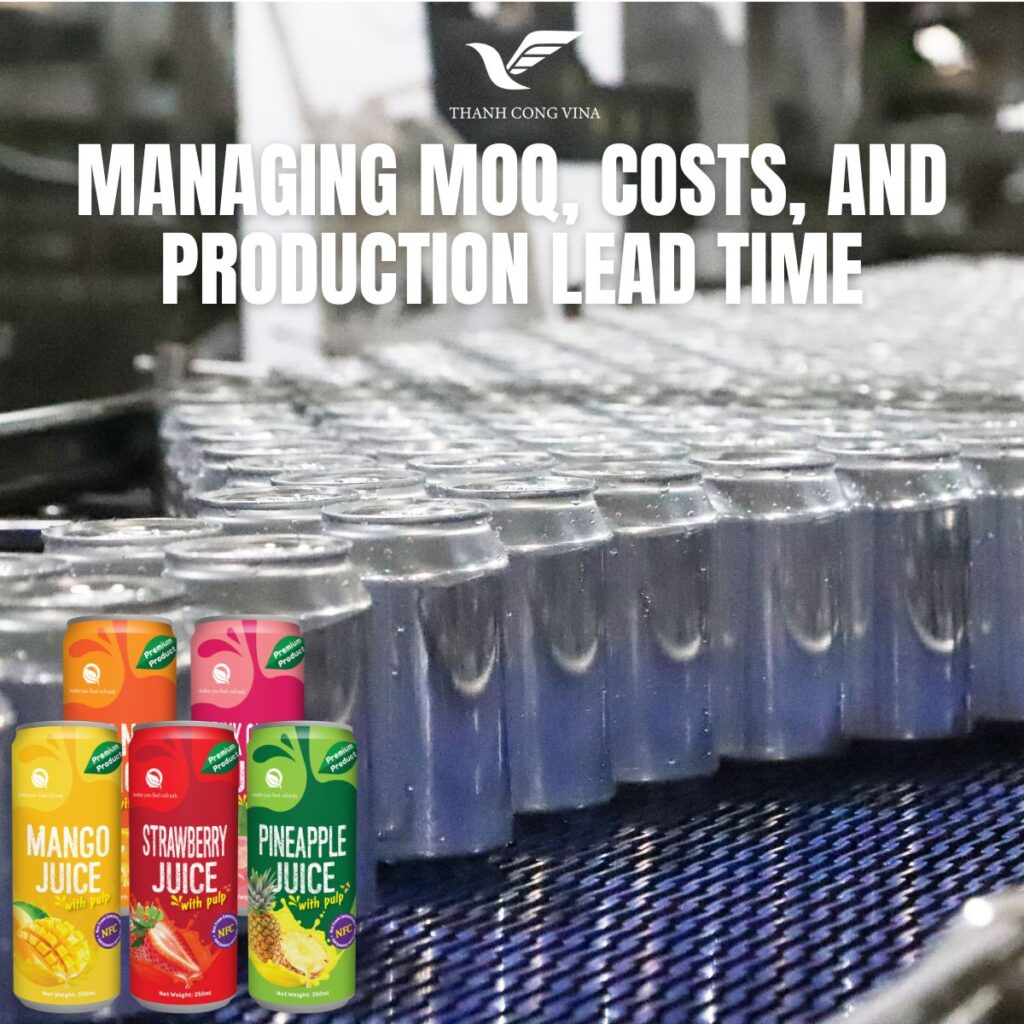
One of the most important considerations for a new beverage brand is understanding the financial structure of manufacturing.
Minimum Order Quantity
Minimum order quantity, or MOQ, can vary according to product type, packaging, ingredients, printing requirements, and production line.
New brands should discuss MOQ before finalizing the product concept because packaging and production requirements can significantly influence the minimum commercially viable order.
A suitable manufacturing partner should clearly communicate MOQ requirements and help buyers understand how order volume affects unit economics.
Understanding the Full Cost Structure
A beverage quotation should be evaluated beyond the basic product price.
Depending on the project, total costs may involve:
- Ingredients
- Beverage processing
- Packaging materials
- Labels or printing
- Cartons
- Product testing
- Artwork preparation
- Documentation
- Palletization
- Transportation
- Export logistics
Comparing the complete cost structure gives buyers a more accurate picture of the investment required to launch the product.
Production Planning
Lead time can depend on formula approval, packaging availability, raw material sourcing, artwork confirmation, production schedules, and order volume.
Brands should establish a production timeline before placing a purchase order.
Planning ahead is particularly important for seasonal products, promotional campaigns, trade launches, and retail programs where missing a delivery window can affect sales opportunities.
6. Preparing Your Beverage for International Markets
Launching a beverage internationally requires attention to more than manufacturing. The finished product must also be prepared for the destination market.
Market-Specific Product Requirements
Different countries can have different requirements regarding ingredients, labeling, nutrition declarations, additives, claims, packaging, and import documentation.
Before production, buyers should identify the applicable requirements for their target market.
A manufacturer with international export experience can help coordinate technical documents and product information needed for the buyer’s regulatory process.
Export Documentation
Depending on the destination and product, buyers may require documentation such as:
- Commercial invoice
- Packing list
- Certificate of origin
- Product specifications
- Certificate of analysis
- Ingredient declaration
- Food safety documentation
- Other market-specific certificates
Accurate documentation helps reduce potential issues during customs clearance and import procedures.
Logistics and Container Planning
Beverage products can be relatively heavy and require careful container planning.
The number of cartons per pallet, pallet dimensions, loading configuration, product weight, and shipping conditions should be considered during the planning stage.
Efficient container utilization can help reduce transportation costs and improve the overall economics of international distribution.
7. Building a Long-Term Beverage Brand with the Right Manufacturing Partner
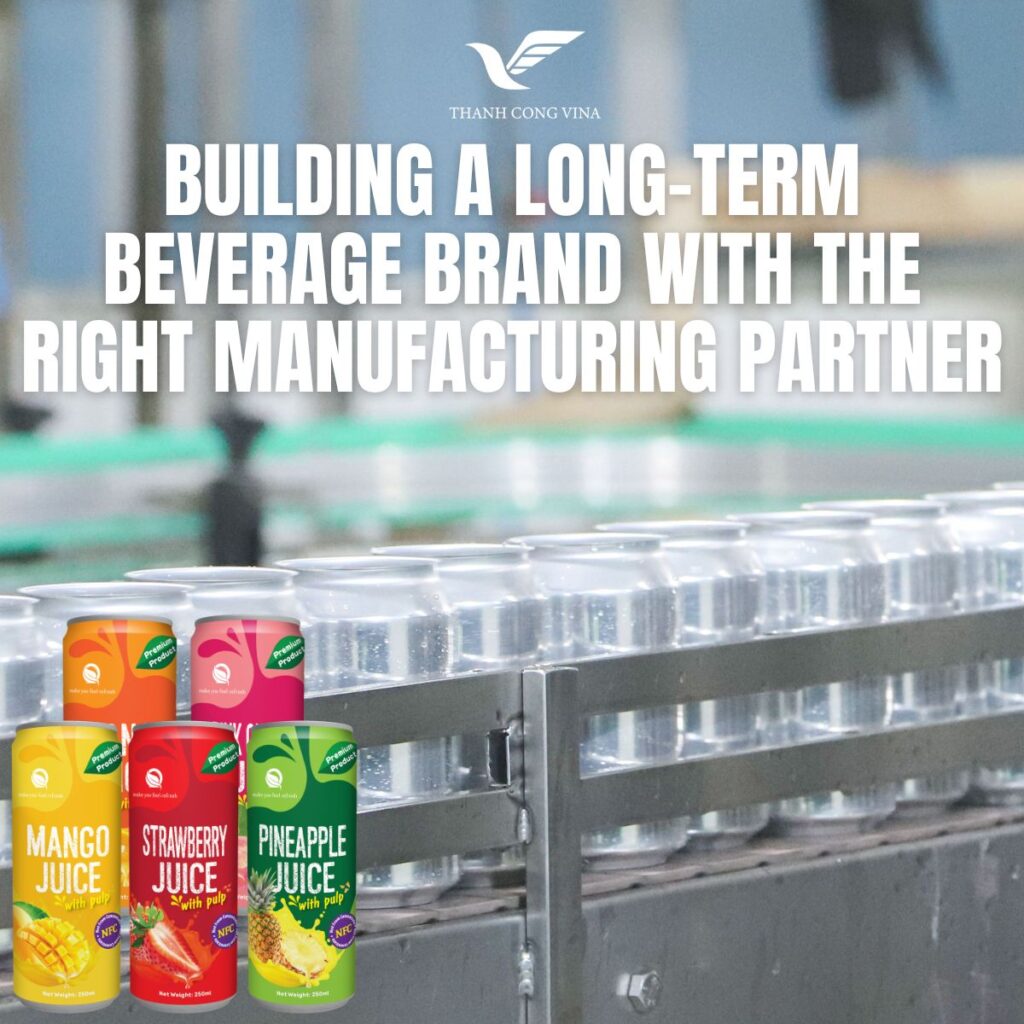
Launching the first product is only the beginning. A successful beverage brand needs a manufacturing partner capable of supporting future growth.
Expand Your Product Portfolio
Once the first product achieves market acceptance, brands may introduce new flavors, packaging sizes, beverage categories, or seasonal editions.
For example, a brand that begins with coconut water may later expand into coconut water with mango, strawberry, calamansi, or kiwi. A fruit beverage brand may also introduce different fruit combinations or packaging formats.
Working with the same manufacturer can simplify product expansion because technical specifications, quality expectations, and communication processes are already established.
Maintain Consistent Quality
Consumers expect a familiar product every time they purchase it.
For this reason, the manufacturer should maintain consistent formulas, production parameters, raw material specifications, and quality-control procedures across production batches.
Consistency becomes increasingly important as the brand expands into multiple markets.
Develop a Scalable Supply Chain
A good manufacturing relationship should support both current requirements and future growth.
As sales increase, brands may require larger production volumes, additional packaging formats, more frequent shipments, or new product lines.
Choosing a manufacturing partner with scalable production capabilities can make expansion smoother and reduce the need to change suppliers during periods of rapid growth.
8. Why Thanh Cong Vina Is a Strategic Manufacturing Partner
For brands looking to develop beverages in Vietnam, Thanh Cong Vina provides OEM and ODM manufacturing solutions designed around international buyer requirements.
Diverse Beverage Manufacturing Capabilities
Thanh Cong Vina works with a broad range of beverage categories, including fruit juice drinks, coconut water, coconut water blended with real fruit juice, aloe vera beverages, ready-to-drink coffee, juice concentrates, and customized beverage products.
This broad product capability enables buyers to develop multiple product concepts within one manufacturing relationship.
Customized OEM and ODM Development
Every beverage brand has its own identity and market strategy.
Thanh Cong Vina can support customized product development based on requirements such as flavor, formulation, packaging size, product positioning, and target market.
This approach allows brands to create differentiated products instead of relying only on standardized products.
Export-Oriented Manufacturing
For international buyers, manufacturing is only one part of the sourcing process. Documentation, packaging, quality control, production scheduling, and export coordination are equally important.
An export-oriented manufacturer can help connect these stages into a more organized supply chain.
For businesses planning to launch or expand beverage brands internationally, selecting a manufacturing partner with experience in customized beverage production can create a stronger foundation for sustainable growth.
Conclusion
Launching a beverage brand requires careful planning across product development, formulation, packaging, production, quality control, cost management, and international logistics. Choosing the right Beverage Factory Vietnam can help businesses transform an initial product idea into a commercially viable beverage while accessing Vietnam’s agricultural resources and manufacturing capabilities. Global buyers should evaluate suppliers based on more than price, paying close attention to technical expertise, production consistency, food safety systems, customization capabilities, MOQ, lead time, documentation, and export experience. For companies seeking a flexible OEM and ODM partner, Thanh Cong Vina offers beverage manufacturing solutions covering multiple product categories and customized market requirements. With Thanh Cong Vina, international brands can develop beverages that reflect their own identity while building a scalable manufacturing and supply-chain foundation for long-term growth.
