
Products Knowledge
Juice Supplier Vietnam: A Guide for Importers and Distributors
Oct
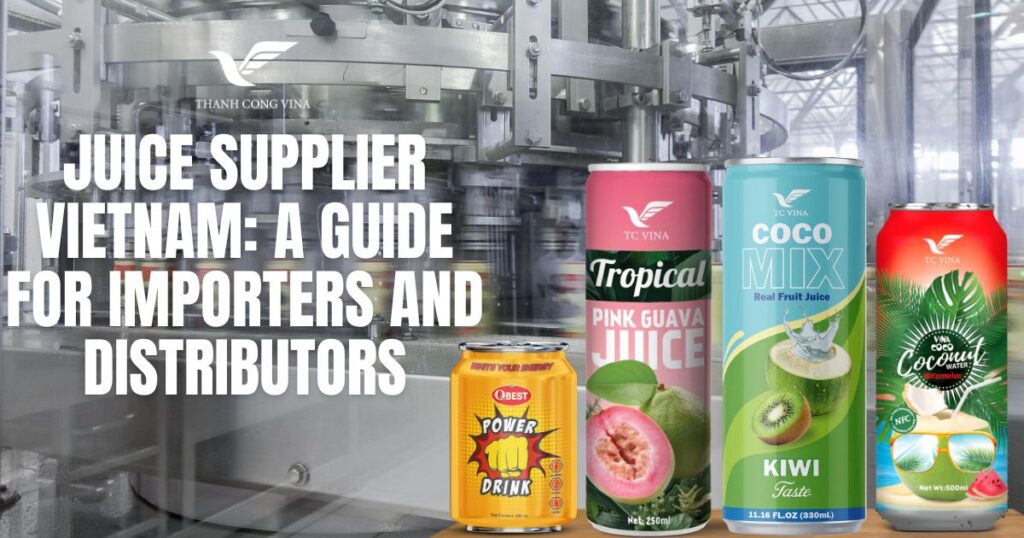
Finding a reliable Juice Supplier Vietnam is an important step for importers and distributors seeking competitive beverage products for international markets. As demand for diverse fruit-based beverages continues to create opportunities across retail, wholesale, and foodservice channels, sourcing from Vietnam can offer access to a broad range of tropical fruit ingredients and beverage manufacturing solutions. However, choosing the right supplier requires more than comparing quotations or selecting products from a catalog. Buyers must evaluate production capabilities, ingredient specifications, quality management, packaging options, export documentation, and long-term supply reliability.
For businesses developing their own beverage brands, a suitable manufacturing partner can also provide OEM and private label services that support customized products without requiring investment in an independent production facility. Understanding the sourcing process helps buyers make informed decisions, manage purchasing risks, and build a product portfolio that fits their target market. This guide explains the key considerations importers and distributors should review when sourcing fruit juice products from Vietnam.
1. Why Source Fruit Juice from Vietnam?
Vietnam is an attractive sourcing destination for businesses interested in tropical fruit beverages and export-oriented manufacturing. Its agricultural resources, food processing industry, and established international trade connections create opportunities for buyers seeking different fruit flavors, packaging formats, and production arrangements.
Access to a Diverse Range of Fruit Ingredients
Vietnam grows a variety of fruits used in beverage production, including mango, pineapple, passion fruit, guava, lychee, dragon fruit, coconut, and other tropical varieties. Depending on ingredient availability and the manufacturer’s capabilities, these fruits can support different juice drinks and fruit-based beverage concepts.
For importers, a broad selection of flavors makes it possible to develop products for different consumer preferences and distribution channels. A distributor may focus on mango and pineapple beverages for one market while introducing peach, guava, or passion fruit products in another.
When evaluating a potential supplier, buyers should confirm which flavors are available, whether formulations can be customized, and how ingredient specifications are controlled. The availability of a particular fruit does not automatically guarantee that it is suitable for every beverage formulation or production schedule.
Competitive Manufacturing and Product Development
Vietnamese beverage manufacturers can offer different production arrangements, from established product formulations to customized OEM and private label projects.
For importers and distributors, this flexibility can simplify the process of expanding an existing product range or introducing a new brand. Buyers can assess options based on target pricing, packaging requirements, expected order volume, and the degree of customization needed.
A competitive sourcing decision should consider the complete commercial offer, including quality, product consistency, minimum order quantities, lead times, and delivery terms. The lowest initial quotation may not represent the best long-term value if the supplier cannot maintain specifications or meet delivery commitments.
Opportunities for International Market Expansion
Businesses sourcing from Vietnam may serve supermarkets, independent retailers, foodservice operators, wholesalers, and regional distributors. Each channel requires different commercial planning and product positioning.
Before selecting products, importers should review local competitors, consumer preferences, applicable regulations, and expected retail prices. This market assessment helps determine whether a standard juice drink or a differentiated private label product offers the stronger business opportunity.
2. How to Evaluate a Juice Supplier Vietnam
Choosing a suitable Juice Supplier Vietnam requires a structured assessment of manufacturing capability, product knowledge, documentation, and communication. These factors influence whether a supplier can meet current purchasing requirements and support future growth.
Manufacturing Experience and Facility Capabilities
Buyers should establish whether a prospective supplier manufactures the requested products directly or works through third-party factories. Both arrangements may be commercially viable, but responsibilities for production, quality assurance, traceability, and corrective actions should be clear.
When assessing manufacturing experience, ask about the supplier’s beverage categories, available processing capabilities, packaging formats, production planning procedures, and quality control practices.
Useful questions include:
- Does the supplier regularly manufacture the required fruit beverage?
- Which packaging formats and sizes are available?
- Can the factory support the expected order volume?
- Are product samples and technical specifications available?
- How are production batches identified and monitored?
- What procedures apply when a product does not meet specifications?
Clear answers help buyers assess the supplier’s suitability before investing time and resources in a sourcing project.
Production Capacity and Minimum Order Quantities
Production capacity is important for both new and established beverage businesses. A startup may need an initial order that limits inventory exposure, while a distributor may require larger volumes and repeat deliveries.
Minimum order quantities can depend on the product formula, packaging material, label customization, and production schedule. Buyers should request written confirmation of the applicable minimum order quantity for each product rather than assuming that the same terms apply to the entire catalog.
It is also useful to discuss whether future orders can increase in volume and how the manufacturer manages demand changes. This information helps importers plan growth without committing prematurely to unsuitable purchasing arrangements.
Communication and Commercial Transparency
International sourcing involves many technical and commercial details. Suppliers should communicate clearly about quotations, samples, production timelines, product specifications, payment terms, and shipping arrangements.
Buyers should also identify the main contact responsible for coordinating product development, artwork approval, documentation, and order updates. Clear communication reduces the likelihood of misunderstandings and supports more efficient purchasing decisions.
3. Product Quality, Ingredients, and Technical Specifications
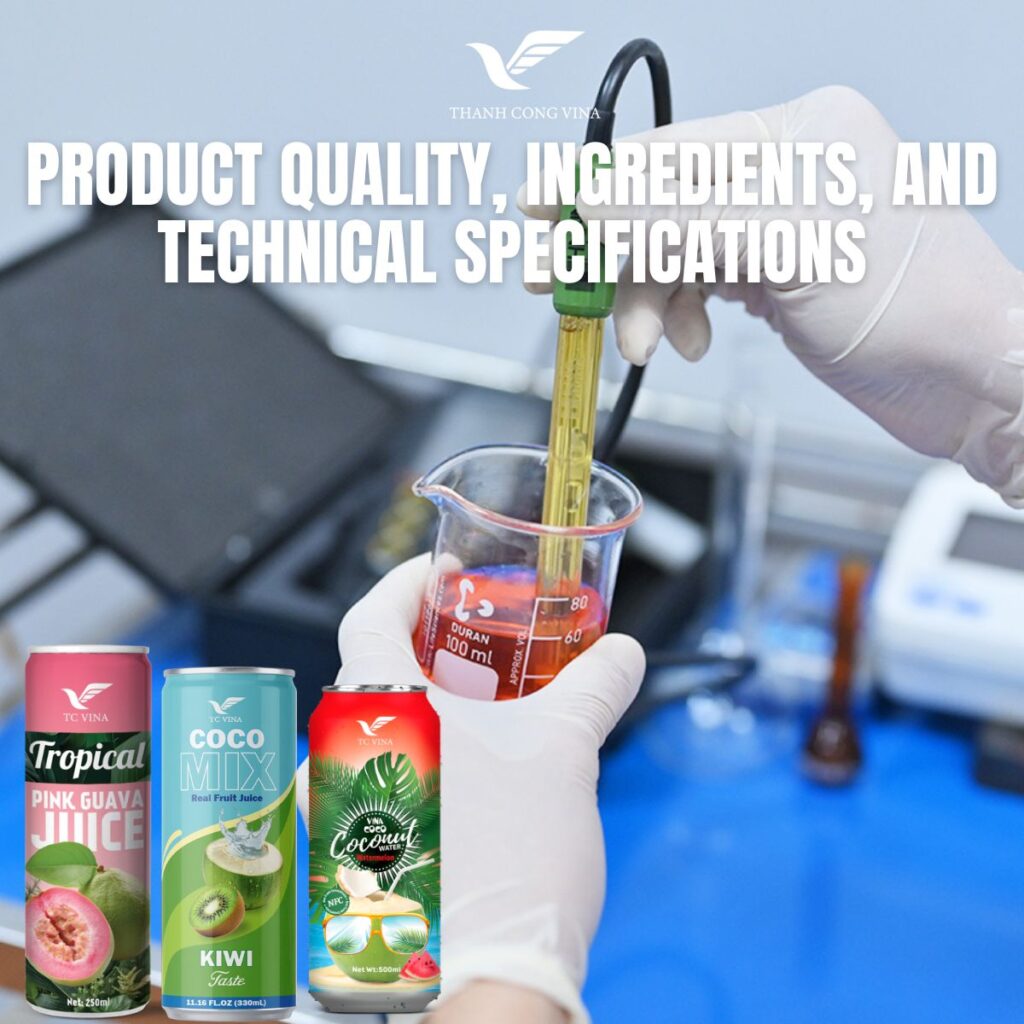
Product quality is central to a successful juice sourcing strategy. A competitive price is only valuable when the finished beverage meets the agreed requirements and remains consistent across production batches.
Reviewing Ingredients and Formulation
Before placing an order, importers should request the ingredient declaration and technical specification for the exact beverage being considered.
Depending on the product, specifications may cover fruit ingredients, water, sweeteners, acidity regulators, flavors, and other permitted components. Buyers should confirm the relevant ingredient details and ensure that the formulation fits their brand positioning and destination-market regulations.
For example, a brand targeting a particular flavor profile may require a defined balance of sweetness and acidity. A distributor serving multiple markets may need different formulations to accommodate local preferences.
Any requested customization should be documented clearly. Buyers should not rely solely on verbal descriptions or general product names when approving a commercial order.
Evaluating Flavor and Product Consistency
Flavor, aroma, color, texture, and overall sensory quality influence how consumers perceive a beverage. Importers should request samples and establish a review process before confirming mass production.
The evaluation should consider the product’s suitability for the target audience, its alignment with the brand concept, and its consistency with the agreed specification.
Once a sample is approved, the buyer and manufacturer should retain a clear reference for the product. If changes are required to ingredients, processing, or packaging, the supplier should explain the potential impact and obtain approval where necessary.
Shelf Life and Storage Requirements
Shelf life affects shipment planning, warehouse management, inventory turnover, and product availability at the retail level.
Buyers should request documented information about shelf life, storage conditions, date marking, and relevant product stability data. These details should be considered alongside production lead time, transit time, customs clearance, and the expected distribution period.
A supplier should provide product-specific information rather than relying on general assumptions about fruit beverages. Importers must ensure that the product’s remaining shelf life is suitable for their sales and distribution model.
4. OEM and Private Label Juice Manufacturing
OEM and private label manufacturing can help importers and distributors develop their own beverage brands without operating a dedicated factory. The appropriate model depends on the buyer’s technical requirements, development resources, and desired level of product customization.
OEM Production for Defined Specifications
OEM production is suitable for buyers who have an established formula or clearly documented product requirements. The manufacturer produces the beverage according to agreed specifications and production arrangements.
Before production begins, both parties should confirm the formula, ingredient requirements, packaging, quality parameters, order quantity, and inspection procedures.
This model can benefit established brands and distributors that want to scale production while focusing their internal resources on marketing, sales, and distribution.
Private Label Development for Brand Owners
Private label manufacturing allows a company to sell juice products under its own brand name. Depending on the supplier’s capabilities, the project may include product selection, flavor planning, packaging selection, artwork coordination, production, and shipment preparation.
For example, a distributor may develop a range of mango, pineapple, guava, and peach drinks under one brand identity. A coordinated product range can support consistent shelf presentation and make future portfolio expansion easier.
Buyers should clarify which customization services are available, which packaging options can be supported, and whether special ingredients or designs affect minimum order quantities.
Sampling and Approval Before Mass Production
Sampling is an important checkpoint for customized beverage projects. It allows the buyer to evaluate the product before committing to commercial production.
The approval process should cover flavor, appearance, packaging, labeling, and any relevant technical specifications. The final approved version should be documented so that both parties understand the requirements for subsequent batches.
For international buyers, this step also creates an opportunity to review labeling and regulatory considerations before packaging materials are printed or ordered.
5. Packaging Solutions and Brand Presentation
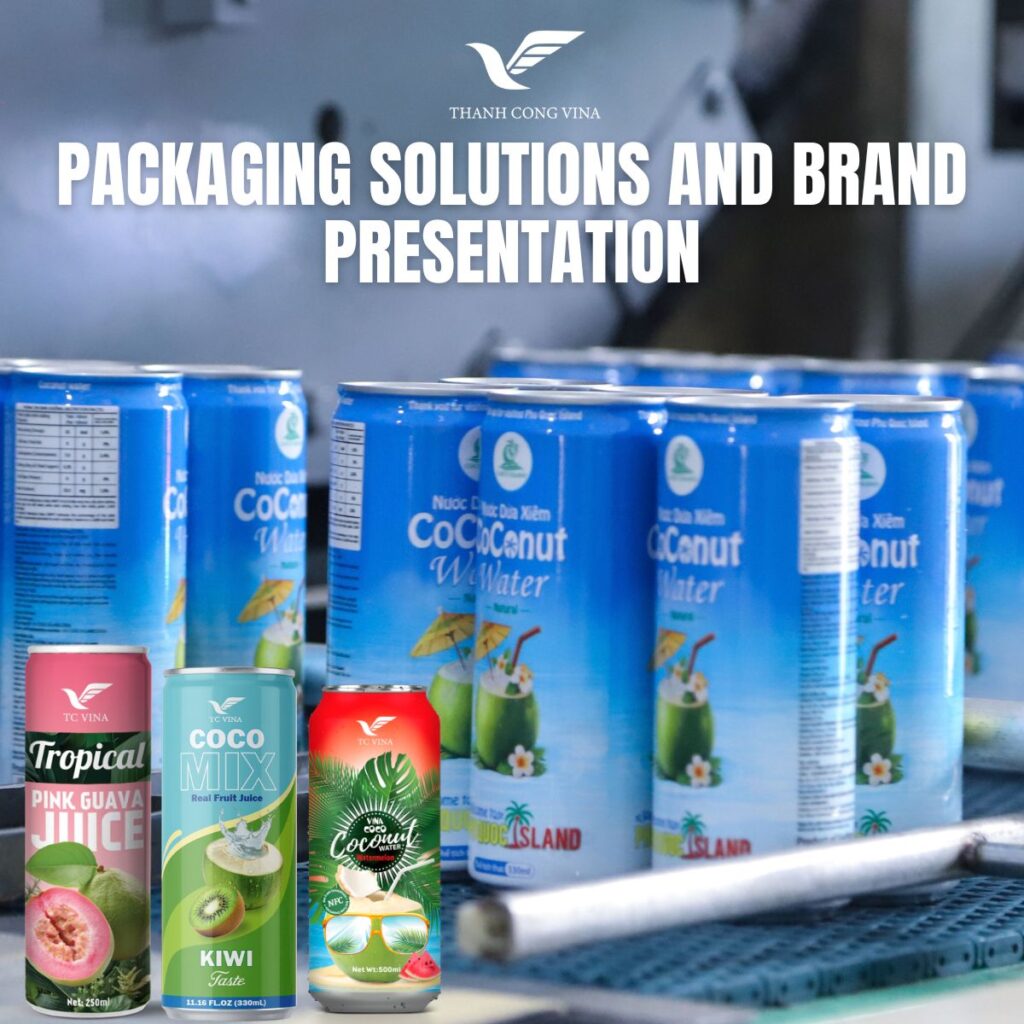
Packaging influences product protection, retail visibility, shipping efficiency, and consumer convenience. A suitable Juice Supplier Vietnam should be able to explain the packaging options available for the required beverage and clarify any related production constraints.
Choosing the Right Packaging Format
Depending on the product and manufacturing capabilities, juice beverages may be available in PET bottles, cans, glass bottles, or other suitable containers.
The best option depends on the target channel, product positioning, serving size, transportation requirements, and local consumer preferences.
For example, single-serve packaging may be appropriate for convenience stores and on-the-go consumption, while larger formats may suit household purchases or selected foodservice channels.
Buyers should confirm container sizes, closure specifications, packaging materials, and compatibility with the product before finalizing their decision.
Label Design and Regulatory Information
Private label buyers should prepare artwork that reflects their brand identity while meeting destination-market requirements.
Depending on local regulations, labels may need to include the product name, ingredients, nutrition information, net quantity, manufacturer details, origin information, date marking, and storage instructions.
The buyer should verify the required language and labeling format before approving the artwork. Any health or nutrition claims must also be assessed for compliance.
A formal artwork approval process helps prevent printing errors and reduces the risk of using packaging that cannot be accepted in the destination market.
Export Cartons and Transport Protection
Packaging must also perform well throughout transportation and distribution. Carton strength, product arrangement, pallet configuration, and container loading can affect shipment stability and handling efficiency.
Importers should discuss export packaging requirements with the manufacturer and logistics partners before confirming the final order. This is particularly important for shipments involving multiple product sizes or several stock-keeping units.
6. Export Documentation, Logistics, and Total Landed Cost
Successful international sourcing depends on more than manufacturing. Buyers need to coordinate documentation, freight arrangements, customs requirements, and inventory planning to bring products to market efficiently.
Understanding Export Documentation
Depending on the destination and transaction, beverage shipments may require commercial invoices, packing lists, certificates of origin, product specifications, certificates of analysis, and other supporting documents.
Importers should confirm which documents the manufacturer can provide and which must be arranged by the importer, freight forwarder, or another authorized party.
Requirements vary by destination market, product composition, and applicable regulations. Buyers should confirm the exact requirements before production and shipment rather than assuming that one documentation package is suitable for every country.
Planning Production and Shipping Schedules
Production scheduling requires coordination between ingredient procurement, packaging materials, manufacturing, quality inspection, and shipment booking.
Importers should obtain realistic lead-time estimates and understand when production dates become confirmed. They should also discuss how delays or changes in material availability will be communicated.
Shipping plans should account for transit time, customs clearance, warehouse capacity, and remaining shelf life. A realistic schedule helps buyers manage stock levels and reduce the risk of product shortages.
Calculating Total Landed Cost
Factory price is only one component of the final purchasing cost. Importers should consider packaging, setup or artwork charges where applicable, freight, insurance, customs duties, taxes, clearance fees, warehousing, and local distribution.
Quotations should be compared using equivalent product specifications, quantities, packaging formats, and delivery terms. Buyers should also confirm the quotation’s validity period, payment terms, currency, and applicable Incoterms.
A comprehensive cost comparison helps determine whether a supplier’s offer fits the buyer’s target price and expected profit margin.
7. Why Choose Thanh Cong Vina as Your Beverage Manufacturing Partner?
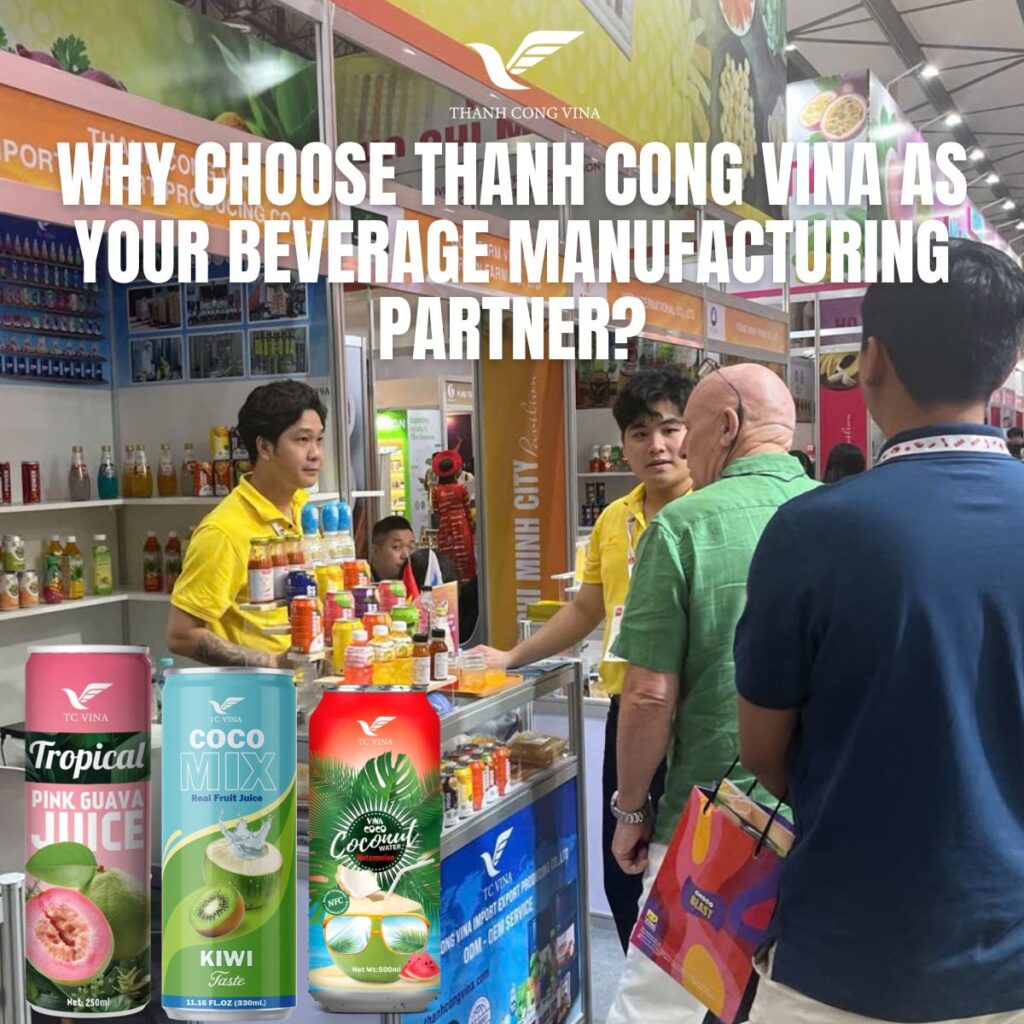
Thanh Cong Vina provides beverage manufacturing solutions for businesses sourcing products from Vietnam. Its product portfolio includes fruit juice drinks, coconut water, coconut water with fruit juice, aloe vera beverages, nata de coco drinks, ready-to-drink coffee, isotonic beverages, energy drinks, concentrates, and other beverage categories.
For importers and distributors, this range can create opportunities to develop complementary products through one manufacturing relationship. Product availability, technical specifications, minimum order quantities, and export arrangements should be confirmed for each individual project.
Supporting OEM and Private Label Projects
Different customers have different sourcing needs. Some buyers require established beverage products with customized branding, while others want to discuss flavor options, packaging formats, or specific product requirements.
Thanh Cong Vina can discuss project details with prospective customers to identify suitable manufacturing options and clarify the process for product sampling, specification review, production planning, and export preparation.
Providing a clear brief with the target market, expected order volume, preferred packaging, and product requirements can help make the initial discussion more productive.
Building Long-Term Supply Relationships
A long-term manufacturing relationship depends on more than a competitive quotation. Consistent product specifications, clear communication, appropriate quality controls, and realistic production schedules are important for repeat orders.
Buyers should establish procedures for approving samples, managing packaging artwork, confirming orders, and communicating changes. These practices help both parties maintain shared expectations as the business grows.
By evaluating manufacturing capability and commercial fit before placing an order, importers can make more informed decisions about their sourcing strategy.
Conclusion
Choosing the right Juice Supplier Vietnam requires a careful assessment of manufacturing experience, product quality, OEM and private label capabilities, packaging options, food safety procedures, export documentation, and total landed cost. Importers and distributors should begin with a clear product brief, request samples, review technical specifications, and confirm destination-market requirements before committing to mass production.
The most suitable supplier is not necessarily the one offering the lowest factory price. It is the partner whose capabilities, communication, quality management, and production arrangements align with the buyer’s long-term commercial objectives.
Thanh Cong Vina Beverage supports businesses exploring beverage manufacturing opportunities in Vietnam, with product options spanning fruit juice drinks and other beverage categories. By discussing product specifications, packaging requirements, order quantities, and export needs in advance, buyers can evaluate suitable solutions for their markets. For businesses searching for a reliable Juice Supplier Vietnam, Thanh Cong Vina IEP CO., LTD is a potential manufacturing partner to consider when developing private label products and building international distribution opportunities.
