
Products Knowledge
Juice Supplier Vietnam: What Global Buyers Need to Know
Oct
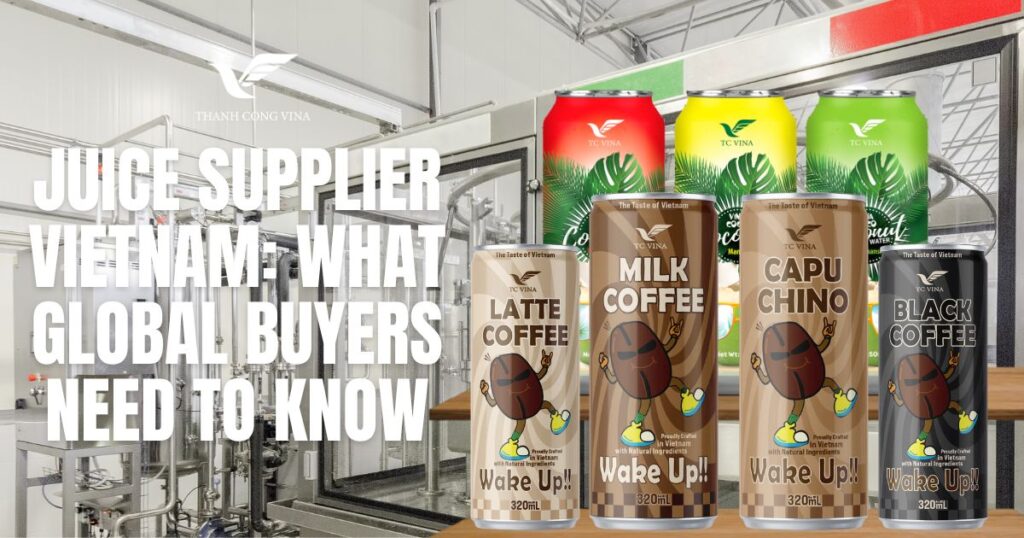
Choosing a reliable Juice Supplier Vietnam is an important decision for international businesses seeking consistent beverage quality, competitive sourcing options, and dependable production support. Vietnam offers access to a wide variety of tropical fruit ingredients and an established food processing sector, making it a destination worth considering for companies sourcing fruit juice drinks and other fruit-based beverages. However, successful international sourcing requires more than identifying a manufacturer with an attractive quotation. Global buyers must understand product specifications, production capabilities, ingredient traceability, quality management, packaging requirements, and export procedures before entering a manufacturing agreement.
For importers, distributors, retailers, and beverage brand owners, these factors directly influence product consistency, purchasing costs, and supply chain reliability. A suitable manufacturing partner should understand the buyer’s commercial objectives while providing clear information about product development, manufacturing processes, and shipment preparation. This guide explains the essential considerations global buyers should review when sourcing juice products from Vietnam and building a long-term beverage supply strategy.
1. Understanding Vietnam’s Fruit Juice Manufacturing Landscape
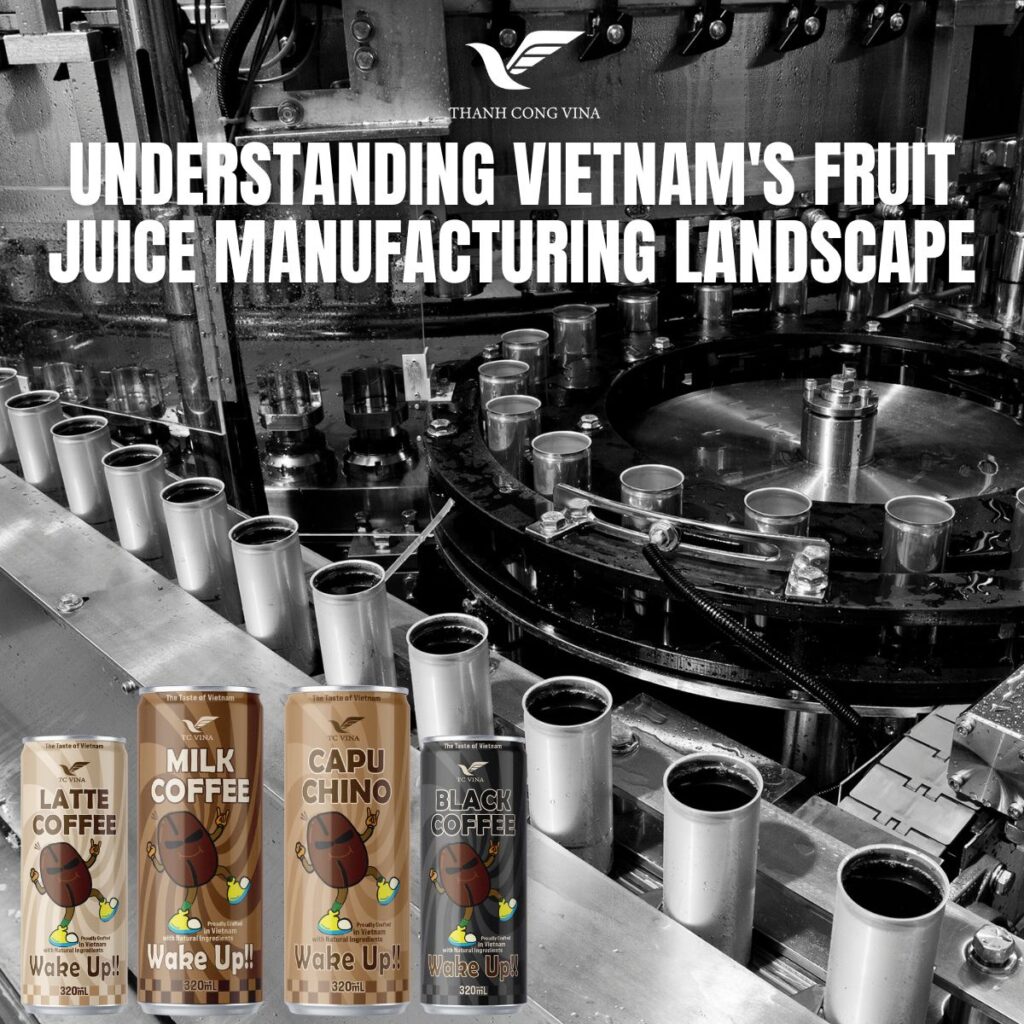
Vietnam has a diverse agricultural sector that supports the development of fruit-based beverages. Its tropical and subtropical growing conditions provide access to various fruits used in commercial juice production, while food processing businesses offer different options for developing products for domestic and international markets.
A Diverse Range of Fruit-Based Products
Buyers sourcing from Vietnam may encounter beverage options made with mango, pineapple, passion fruit, guava, lychee, dragon fruit, orange, strawberry, peach, and other fruit ingredients. Depending on the manufacturer’s capabilities, the portfolio may include juice drinks, fruit-flavored beverages, fruit concentrates, and other related products.
This variety can help international companies develop product ranges for different consumer preferences. For example, a distributor may focus on tropical flavors for one market while offering more familiar fruit combinations for another.
However, buyers should distinguish between different product types. A fruit juice drink, a beverage containing fruit juice, a concentrate, and a product marketed as 100% juice are not interchangeable categories. Their compositions, production processes, labeling requirements, and commercial positioning may differ significantly.
Before selecting a product, global buyers should request its technical specification and confirm that the description accurately reflects the formulation.
Manufacturing Flexibility and Product Development
Vietnamese beverage manufacturers may offer established formulations, customized product development, OEM production, or private label services. The available options depend on each manufacturer’s equipment, technical resources, ingredient sourcing, and production planning.
For global buyers, this flexibility can create opportunities to develop products that align with their brand strategy without investing in a dedicated production facility.
The most suitable arrangement depends on the intended market, product specifications, packaging requirements, order volume, and expected retail price. Buyers should assess these factors before deciding whether to select a standard product or pursue a customized formula.
Assessing the Supplier Beyond Its Location
Vietnamese origin alone does not guarantee product quality, competitive pricing, or export readiness. Buyers should evaluate each manufacturer individually based on its documented capabilities, quality management practices, communication, and ability to meet agreed specifications.
A structured supplier assessment helps businesses avoid making decisions based solely on country of origin or general marketing claims.
2. How to Evaluate a Juice Supplier Vietnam for Global Sourcing
Selecting a Juice Supplier Vietnam requires a clear understanding of the manufacturer’s operational capabilities and its suitability for the buyer’s commercial requirements. The objective is to identify a partner that can produce the requested beverage consistently and support the purchasing process from initial sampling to repeat orders.
Production Capability and Manufacturing Control
Buyers should establish which products the manufacturer produces, what packaging formats are available, and how production is managed.
Relevant questions include whether the facility regularly manufactures the requested beverage category, whether it can accommodate the expected order volume, and how it controls production parameters and finished-product quality.
Buyers should also clarify whether the supplier manufactures products directly or coordinates production through third-party factories. This distinction affects responsibilities for quality assurance, traceability, production scheduling, and corrective actions.
A clear understanding of the manufacturing arrangement provides a stronger basis for evaluating operational risk.
Production Capacity and Order Planning
Production capacity should be assessed in relation to the buyer’s actual demand rather than the factory’s maximum output alone.
A small brand may require a limited initial order to test market acceptance, while an established distributor may need larger volumes and a predictable replenishment schedule. Minimum order quantities can vary according to formula, packaging material, labeling requirements, and production arrangements.
Ask the supplier to clarify the minimum order quantity for each product, expected lead time, and conditions for repeat production. If you plan to expand the product range later, discuss whether the manufacturer can support additional flavors, sizes, or packaging formats.
These discussions help buyers build realistic purchasing forecasts and reduce the risk of committing to unsuitable order volumes.
Technical Support and Documentation
A qualified supplier should provide accurate product information and respond clearly to technical questions. Documentation may include ingredient declarations, product specifications, nutrition information, shelf-life details, packaging specifications, and relevant quality records.
Buyers should review these documents before confirming the final product. Any gaps or inconsistencies should be resolved before production begins.
Clear documentation helps establish a common understanding of what the manufacturer is expected to deliver and gives the buyer a reference for evaluating subsequent batches.
3. Product Specifications, Ingredient Traceability, and Quality Assurance
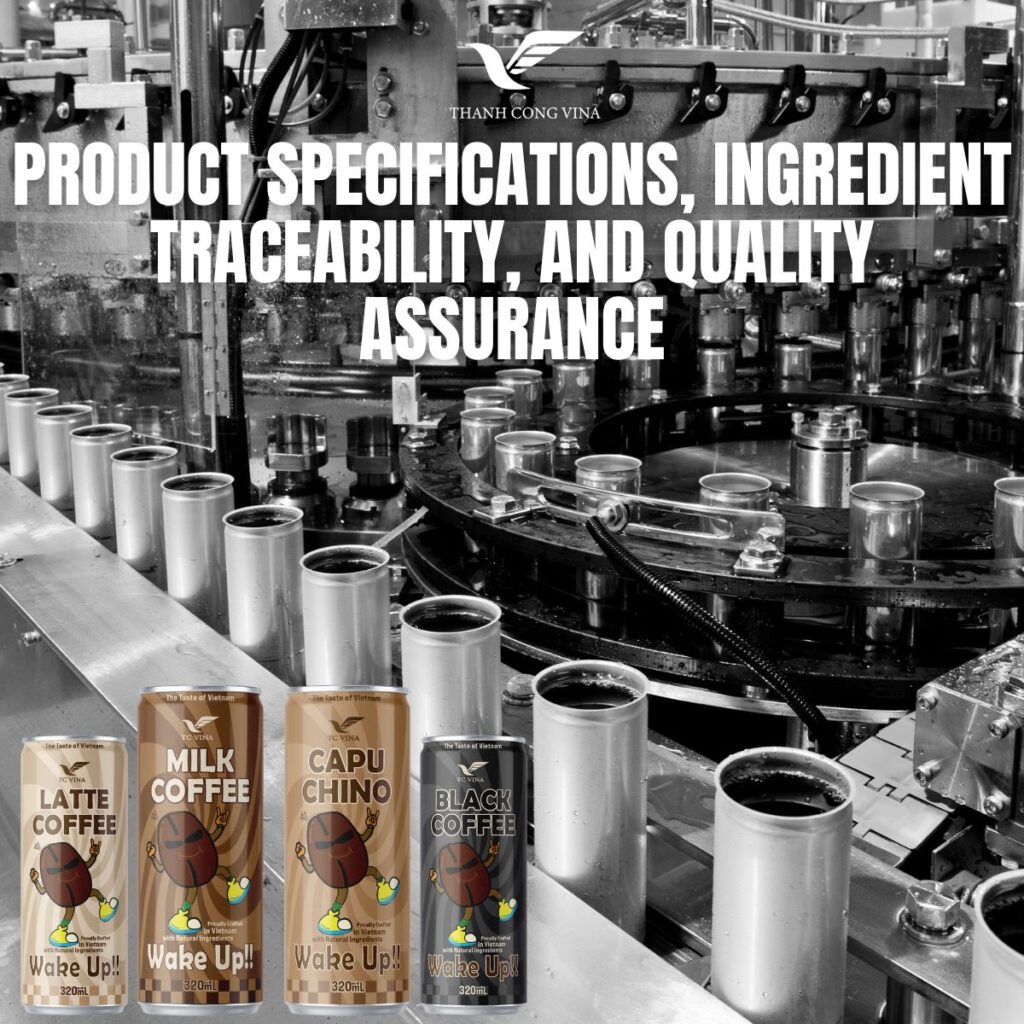
International buyers need reliable evidence that a beverage meets the agreed requirements. Product specifications and traceability procedures are therefore important elements of supplier qualification.
Understanding Ingredients and Formulation
The formulation determines the product’s characteristics, including flavor, sweetness, acidity, color, and nutritional composition.
Depending on the beverage, ingredients may include fruit juice or puree, water, sweeteners, acidity regulators, flavors, and other permitted components. Buyers should request the complete ingredient declaration and confirm the formulation against their product brief.
If the product requires a particular fruit content, flavor profile, or ingredient restriction, these expectations should be documented rather than communicated informally.
For private label projects, the buyer should also clarify which formulation elements may be changed and how proposed changes will be reviewed and approved.
Raw Material Traceability
Traceability allows manufacturers and buyers to connect finished products with relevant production batches and ingredient records. It can support investigations when quality concerns arise and help businesses respond to customer or regulatory inquiries.
Buyers should ask how the manufacturer identifies incoming materials, maintains batch records, and manages relevant supplier documentation.
The level of detail required depends on the product, applicable regulations, and the buyer’s quality management procedures. Nevertheless, clear traceability practices are important for businesses distributing beverages across multiple markets.
Finished-Product Inspection and Consistency
A reliable manufacturing process should include appropriate checks on finished products. Depending on the beverage, these may cover appearance, flavor, packaging integrity, labeling, date coding, and relevant technical parameters.
Buyers should confirm which inspections are performed, how results are recorded, and how nonconforming products are managed.
Approved samples and documented specifications can help both parties evaluate whether commercial batches meet expectations. Any significant deviation should be reviewed through an agreed process before the product is released or shipped.
4. Food Safety Standards and Destination-Market Compliance
Food safety and regulatory compliance are essential considerations when sourcing beverages internationally. Buyers must evaluate both the manufacturer’s quality systems and the legal requirements governing the destination market.
Reviewing Quality Systems and Certifications
Depending on the facility and product requirements, relevant systems or certifications may include HACCP, applicable ISO standards, HALAL certification, and other food safety programs.
Buyers should verify certificate validity, issuing organization, scope, and applicability to the relevant manufacturing site. A certificate’s name alone does not establish that every product or process is covered.
It is also useful to review procedures for hygiene management, supplier approval, nonconforming products, corrective actions, complaints, and recalls.
These procedures help buyers understand how the manufacturer identifies and manages quality risks.
Checking Import and Labeling Requirements
Requirements vary by country and may cover permitted ingredients, additives, nutrition declarations, labeling language, registration, product claims, and import documentation.
Before production, importers should determine the rules applicable to their specific product and market. Depending on local regulations, labels may need to identify the product name, ingredients, net quantity, nutrition information, manufacturer, origin, date marking, and storage conditions.
Health-related or functional claims should receive particular attention because requirements can differ substantially between jurisdictions.
The manufacturer can provide available product documentation, but the importer should confirm the legal requirements for the market in which the beverage will be sold.
Documentation Before Shipment
Depending on the destination and transaction, shipment documentation may include commercial invoices, packing lists, certificates of origin, product specifications, certificates of analysis, and other documents required by the relevant authorities or buyer.
Importers should confirm document responsibilities early. Some documents may be provided by the manufacturer, while others may need to be arranged by the importer, freight forwarder, or authorized organization.
Reviewing documentation before shipment can help reduce avoidable delays and discrepancies.
5. Packaging, Shelf Life, and International Logistics
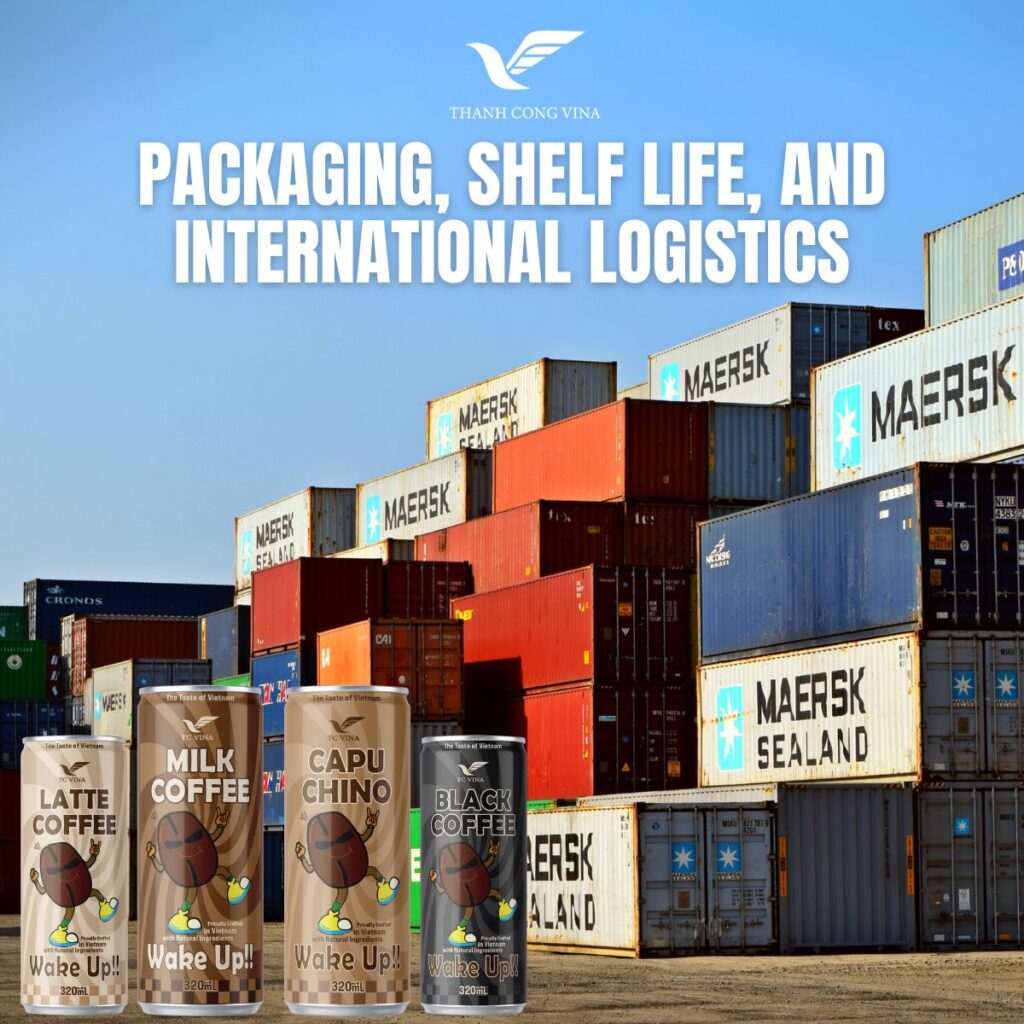
Packaging and logistics influence product protection, retail presentation, transportation efficiency, and inventory planning. These considerations should be included in the sourcing process from the beginning.
Choosing the Appropriate Packaging Format
Depending on the beverage and manufacturing capabilities, juice products may be supplied in PET bottles, cans, glass bottles, or other suitable packaging formats.
The choice should reflect the target channel, consumer expectations, serving size, shipping conditions, and brand positioning.
Buyers should confirm available container sizes, closure types, label specifications, carton configuration, and packaging materials. Customized packaging may also affect minimum order quantities and lead times.
Shelf Life and Storage Planning
Shelf life should be confirmed through product-specific documentation. It depends on factors such as formulation, processing, packaging, and storage conditions.
Buyers should consider the entire supply chain, including manufacturing, port handling, international transit, customs clearance, warehousing, and retail distribution.
A beverage with an appropriate declared shelf life may still be unsuitable if too much time is consumed before it reaches the intended sales channel. Coordinating production and logistics is therefore essential for inventory planning.
Export Packaging and Shipment Coordination
Export packaging should protect the product during handling and transportation. Carton strength, packing configuration, palletization, and container loading should be considered in relation to the product and shipping route.
Buyers should clarify how shipment preparation is managed and who coordinates with the freight forwarder. Production completion, quality release, document preparation, and shipment booking should follow a clear schedule.
This coordination is particularly important for orders involving multiple beverage varieties or packaging formats.
6. Commercial Terms, Total Landed Cost, and Supply Chain Risk
A competitive quotation should be evaluated alongside product quality, delivery reliability, and the total cost of importing the beverage.
Comparing Quotations on an Equivalent Basis
Buyers should compare quotations using the same product specifications, packaging format, order quantity, and delivery terms.
The final purchasing cost may include manufacturing, packaging, artwork or setup charges, freight, insurance where applicable, customs duties, taxes, clearance fees, warehousing, and domestic distribution.
It is important to clarify the quotation’s validity period, currency, payment terms, and applicable Incoterms. This information helps buyers estimate landed cost and determine whether the product can achieve its intended commercial margin.
Managing Supply Chain Risks
Potential risks include ingredient shortages, packaging delays, production changes, shipment disruption, documentation errors, and inconsistent communication.
Buyers can reduce these risks by confirming specifications in writing, maintaining clear approval procedures, reviewing production timelines, and agreeing on how changes will be communicated.
For repeat orders, it is useful to establish reorder points and provide demand forecasts where possible. This allows the manufacturer to plan production and helps the buyer maintain sufficient inventory.
Building a Long-Term Supplier Relationship
A long-term partnership should support consistent product quality, clear communication, predictable order coordination, and practical opportunities for future development.
Buyers should assess how the supplier responds to technical questions, handles problems, manages repeat orders, and communicates limitations.
The best sourcing relationship is not necessarily the one with the lowest initial price. It is the one that offers a suitable balance of quality, commercial value, transparency, and operational reliability.
7. Why Choose Thanh Cong Vina for Beverage Manufacturing?
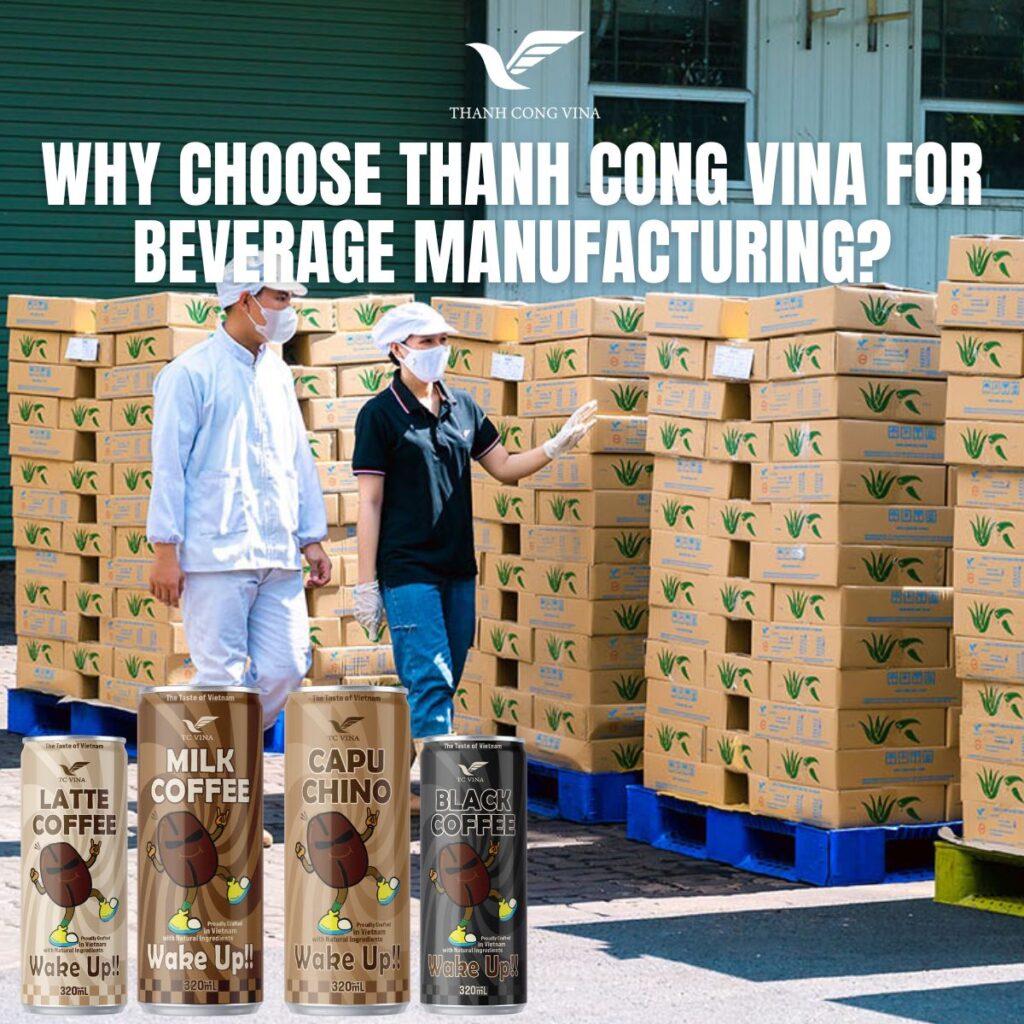
Thanh Cong Vina provides beverage manufacturing solutions for businesses sourcing products from Vietnam. Its portfolio includes fruit juice drinks, coconut water, coconut water with fruit juice, aloe vera beverages, nata de coco drinks, ready-to-drink coffee, isotonic beverages, energy drinks, concentrates, and other beverage categories.
For international buyers, this range may create opportunities to develop complementary products through one manufacturing relationship. Product availability, technical specifications, minimum order quantities, and export arrangements should be confirmed for each individual project.
Supporting OEM and Private Label Projects
Some buyers need established beverage options with their own branding, while others require discussions about product specifications, flavor choices, or packaging requirements.
Thanh Cong Vina can discuss project requirements with prospective customers to identify suitable manufacturing options and clarify the next steps for product sampling, specification review, production planning, and export preparation.
A clear product brief that identifies the destination market, expected order volume, packaging format, and quality requirements can make these discussions more productive.
Supporting International Sourcing Objectives
For businesses sourcing beverages internationally, a suitable manufacturing relationship should provide clear communication and a documented understanding of product requirements.
Buyers should establish procedures for sample approval, packaging artwork, production confirmation, quality documentation, and shipment coordination. These practices help both parties maintain consistent expectations as order volumes and product ranges develop.
By reviewing these requirements before placing an order, businesses can determine whether a prospective supplier fits their purchasing strategy and long-term objectives.
Conclusion
Choosing the right Juice Supplier Vietnam requires a comprehensive review of manufacturing capabilities, product specifications, ingredient traceability, food safety systems, packaging, commercial terms, and export readiness. Global buyers should request samples, review technical documentation, verify relevant certifications, and confirm destination-market requirements before committing to commercial production.
The sourcing process should also account for total landed cost, production lead times, shelf life, and the supplier’s ability to maintain consistent specifications across repeat orders. A structured evaluation helps businesses reduce uncertainty and build a supply chain that supports their brand and distribution objectives.
Thanh Cong Vina Beverage provides beverage manufacturing solutions for companies exploring fruit juice and complementary beverage categories from Vietnam. By discussing product specifications, packaging requirements, expected volumes, and export needs in advance, buyers can evaluate suitable sourcing options. For companies seeking a dependable Juice Supplier Vietnam, Thanh Cong Vina IEP CO., LTD is a potential manufacturing partner to consider when developing private label beverages and expanding into international markets.
