
Products Knowledge
Juice Supplier Vietnam: Modern Fruit Juice Production for Global Markets
Oct
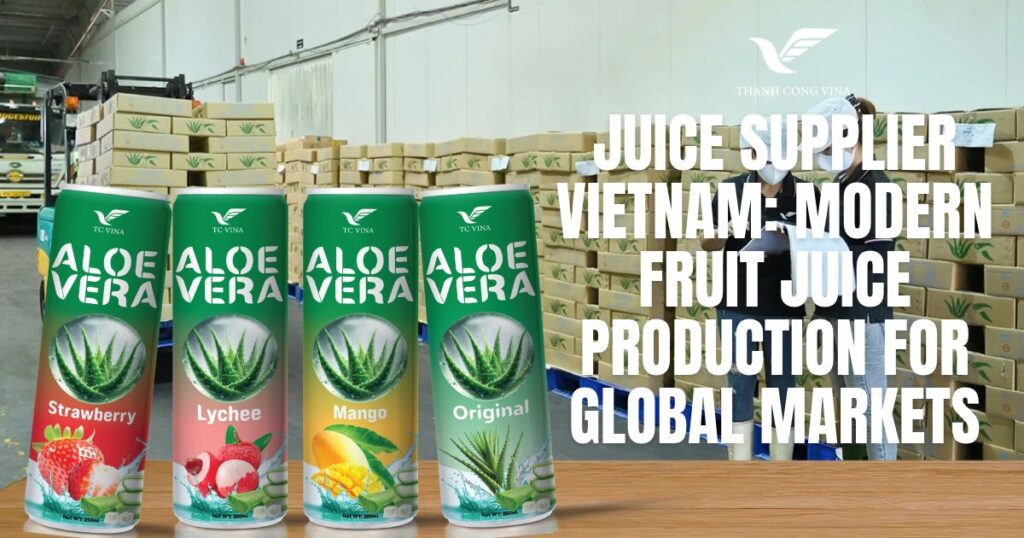
For importers, distributors, retailers, and private label brands, finding a reliable Juice Supplier Vietnam can be an important step toward developing a competitive product portfolio. Vietnam’s agricultural resources and participation in international food and beverage trade create opportunities for businesses seeking beverage manufacturing partnerships in Southeast Asia. However, successful sourcing requires more than identifying a supplier with an appealing product range. Buyers must evaluate raw material availability, production planning, product consistency, packaging suitability, quality documentation, and export coordination. These factors influence whether a beverage can move efficiently from manufacturing to international distribution. Understanding how modern fruit juice production is organized helps buyers make informed sourcing decisions and establish realistic expectations. By assessing both technical capabilities and commercial requirements, businesses can identify manufacturing partners that support their product strategies and long-term supply objectives.
1. Juice Supplier Vietnam: Understanding Modern Fruit Juice Production
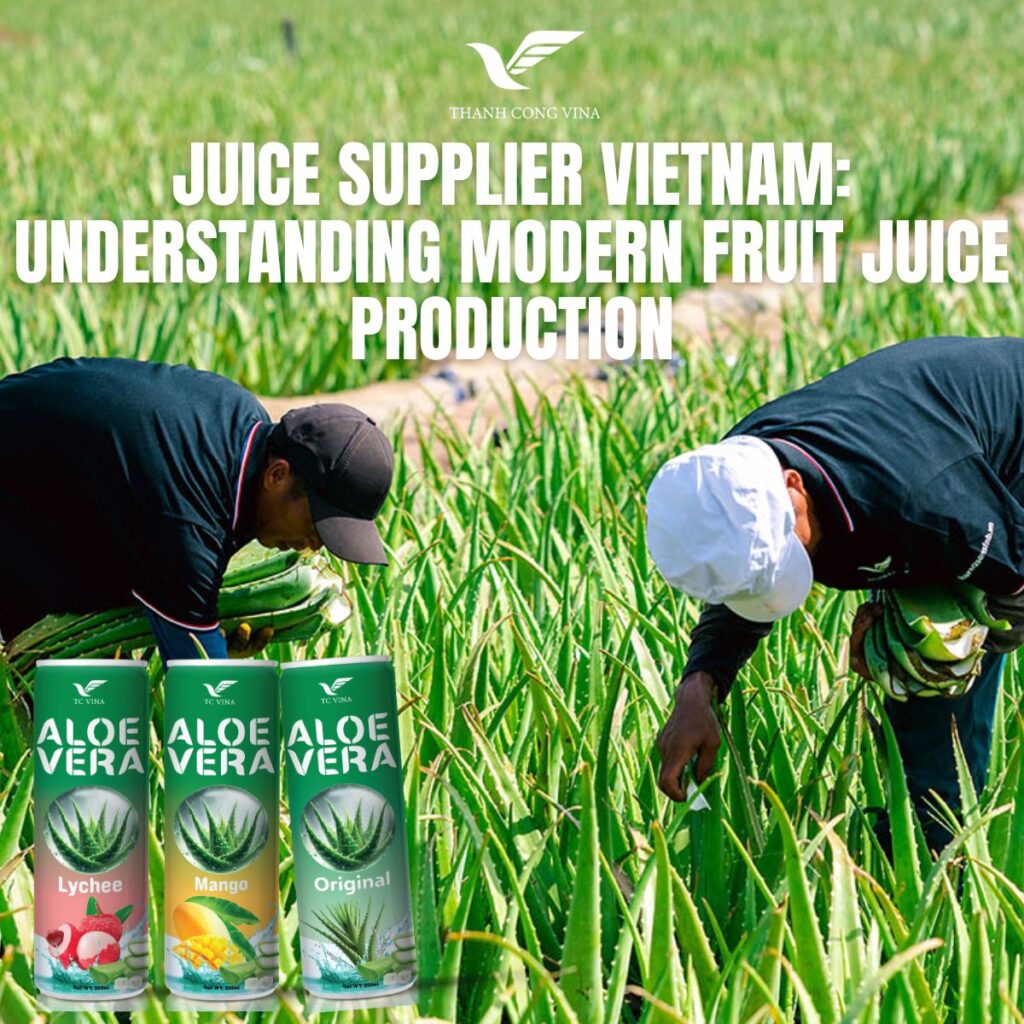
Modern fruit juice production involves a coordinated system of ingredient sourcing, formulation management, processing, packaging, quality assessment, and order fulfillment. Each stage contributes to the finished product and must be aligned with the buyer’s specifications.
For international buyers, understanding this system makes it easier to assess whether a potential supplier can support the intended product category, order volume, and distribution model.
From Agricultural Ingredients to Commercial Beverage Products
Fruit beverages begin with ingredients selected according to the product concept and manufacturing requirements. Depending on the formulation, a product may use fruit juice, fruit puree, juice concentrate, water, sweeteners, or other permitted ingredients.
The choice of ingredients affects flavor, color, texture, formulation cost, and processing requirements. Manufacturers must also consider ingredient availability and the specifications agreed upon with the buyer.
Different fruit ingredients may require different preparation and handling methods. For example, a mango-based beverage and an orange-based beverage may have different texture, acidity, and formulation characteristics.
Consequently, buyers should provide clear expectations regarding fruit content, sensory characteristics, ingredient declarations, and product classification. These specifications help establish a consistent basis for development and manufacturing.
Connecting Production Planning with Market Demand
Production planning begins with a clear understanding of the required product, quantity, packaging format, and expected delivery schedule.
Manufacturers must coordinate ingredient procurement, packaging availability, production capacity, and quality checks before confirming a realistic schedule. A delay in one component can affect the entire order, particularly when customized packaging or less readily available ingredients are involved.
Buyers can support this process by providing accurate forecasts, confirming specifications early, and communicating changes before production begins.
For seasonal promotions, new product launches, or large retail orders, advance planning is particularly important. A coordinated schedule helps both parties manage inventory, reduce avoidable disruptions, and align manufacturing with commercial commitments.
Evaluating Manufacturing Capabilities Before Ordering
A supplier’s product catalogue does not necessarily indicate that every listed beverage can be manufactured under the same conditions. Processing methods, packaging formats, ingredient requirements, and production volumes can differ substantially between products.
Before placing an order, buyers should confirm whether the manufacturer can accommodate the specific beverage and packaging combination. They should also ask about minimum order quantities, sample approval, expected lead times, and relevant quality documentation.
A detailed evaluation provides a more reliable basis for supplier selection than a general comparison of product photographs or initial quotations.
2. Fruit Ingredient Selection and Supply Chain Management
Fruit ingredient selection has a direct influence on product identity and manufacturing consistency. For export-oriented beverage businesses, ingredient management must balance sensory expectations, technical specifications, availability, and commercial considerations.
A structured sourcing approach helps reduce uncertainty and supports more predictable production planning.
Choosing Fruit Ingredients for Different Product Categories
A fruit juice portfolio can include familiar flavors such as mango, pineapple, orange, apple, peach, grape, guava, and passion fruit. Mixed-fruit beverages can provide additional variety for brands looking to expand their product range.
Each fruit offers different characteristics. Mango is commonly associated with a rich tropical profile, pineapple provides a distinctive tangy flavor, and orange is widely recognized in conventional juice categories. Mixed-fruit formulations offer opportunities to combine complementary taste profiles.
The appropriate ingredient depends on the intended beverage category and target market. Buyers should distinguish between products made with juice, juice from concentrate, puree, nectar, and fruit-flavored ingredients because these categories can have different compositional and labeling requirements.
The product specification should clearly define the expected ingredient composition and any restrictions on particular ingredients.
Managing Ingredient Availability and Procurement
Ingredient availability can vary according to harvest cycles, supplier networks, processing formats, and market conditions. Some fruit ingredients may be available seasonally, while processed ingredients can provide different procurement options depending on their origin and specifications.
Manufacturers should assess the suitability of available ingredients against the approved product requirements. Buyers, in turn, should understand whether a proposed ingredient is interchangeable with the original specification or requires formal approval.
This is especially important when a product’s flavor, color, or texture depends on a particular fruit source or ingredient grade.
Supply planning should also consider procurement lead times, storage conditions, minimum purchasing quantities, and the potential impact of shortages. Early communication allows the buyer and manufacturer to discuss alternatives before a supply issue affects production.
Establishing Traceability and Ingredient Specifications
Traceability supports the identification and review of ingredients used in a finished product. Depending on the manufacturing system and applicable requirements, relevant records may include supplier information, ingredient specifications, receiving records, batch identification, and associated quality documentation.
Buyers should ask what information can be provided for their product and how ingredient-related concerns are investigated.
Clear ingredient specifications also help prevent unintended changes in formulation. If a proposed substitution affects the approved product characteristics or labeling, the parties should review and authorize the change before implementation.
A documented approach to ingredient sourcing provides a stronger foundation for quality management and long-term supplier cooperation.
3. Production Process Management and Product Consistency
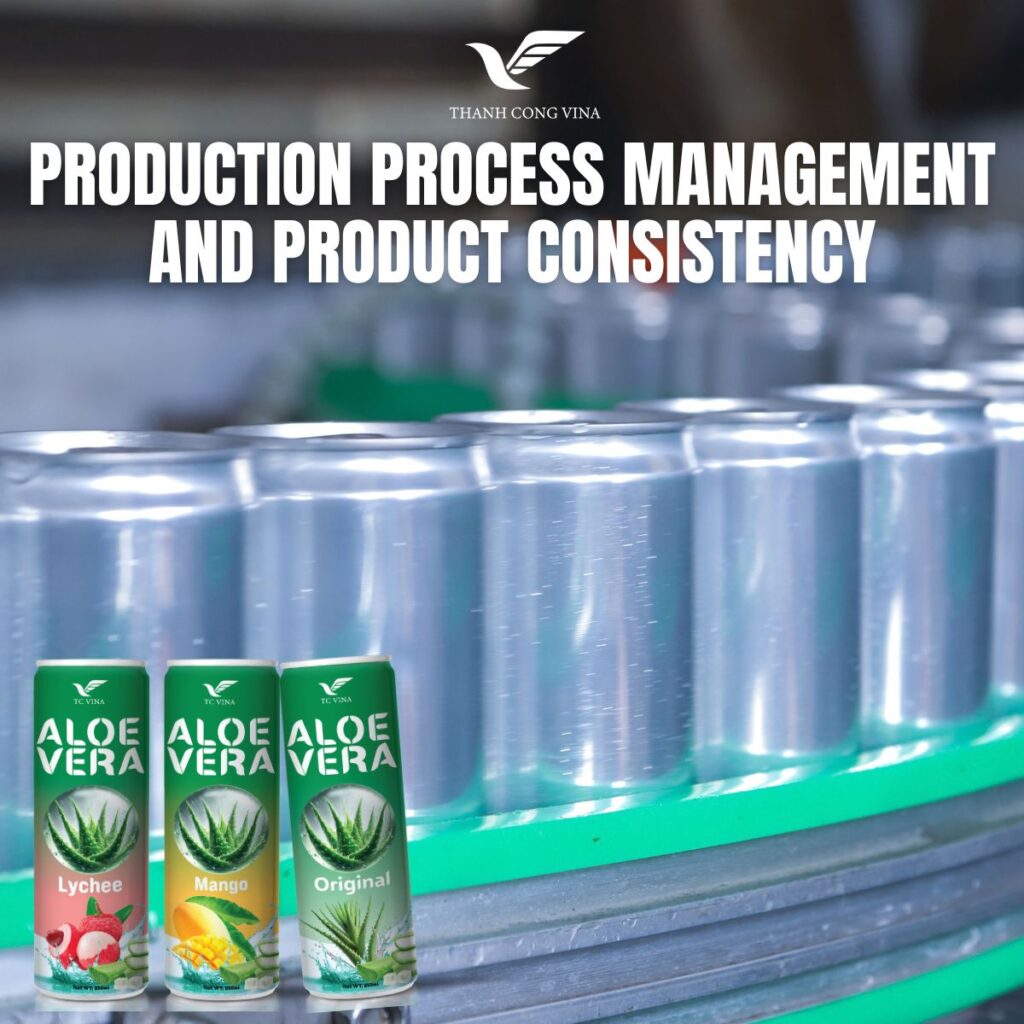
A successful fruit beverage must maintain its agreed characteristics throughout commercial production. This requires the manufacturer to manage the relationship between formulation, processing conditions, packaging, and quality assessment.
Although individual processes differ by product, the objective is to produce beverages that consistently meet documented specifications.
Preparing Ingredients and Managing Formulation
Ingredient preparation depends on the selected raw materials and the beverage formulation. Depending on the product, preparation may involve inspection, sorting, washing, extraction, blending, or the handling of processed fruit ingredients.
The formulation stage brings the selected ingredients together according to defined specifications. Relevant parameters may include ingredient proportions, acidity, soluble solids, flavor balance, and other characteristics appropriate to the product.
Changes to ingredients or formulation parameters can influence the finished beverage. Therefore, an approved formulation should be documented and used as a reference for production.
For buyers sourcing several flavors, each product may require its own specifications and approval process. This prevents a single general description from being used for beverages that have materially different compositions.
Selecting Suitable Processing Methods
The processing method must be appropriate for the beverage’s ingredients, packaging system, and intended shelf life. Different formulations may require different processing considerations, so a method suitable for one product should not automatically be assumed suitable for another.
Buyers should discuss the manufacturer’s available processing capabilities and how the proposed method supports product safety and quality.
Processing conditions should be validated and monitored according to applicable requirements. Shelf-life expectations must also be supported by suitable assessments rather than assumptions based solely on the product category.
For export products, the relationship between processing, packaging integrity, storage conditions, and transportation duration deserves particular attention.
Maintaining Consistency Across Production Batches
Product consistency is important for brands that depend on repeat purchases and stable retail presentation. Differences in flavor, appearance, or other characteristics can affect consumer expectations and complicate quality investigations.
A documented quality system helps define how products are assessed and how deviations are handled. Depending on the beverage, relevant checks may cover sensory characteristics, physicochemical parameters, microbiological criteria, packaging integrity, and other specified requirements.
Buyers should establish acceptance criteria before commercial production and clarify how nonconforming products are investigated.
For repeat orders, the approved formulation and product specification should remain the reference point. Any proposed changes should be reviewed for their potential impact on product quality, labeling, cost, and regulatory compliance.
4. Packaging and Product Positioning for International Retail
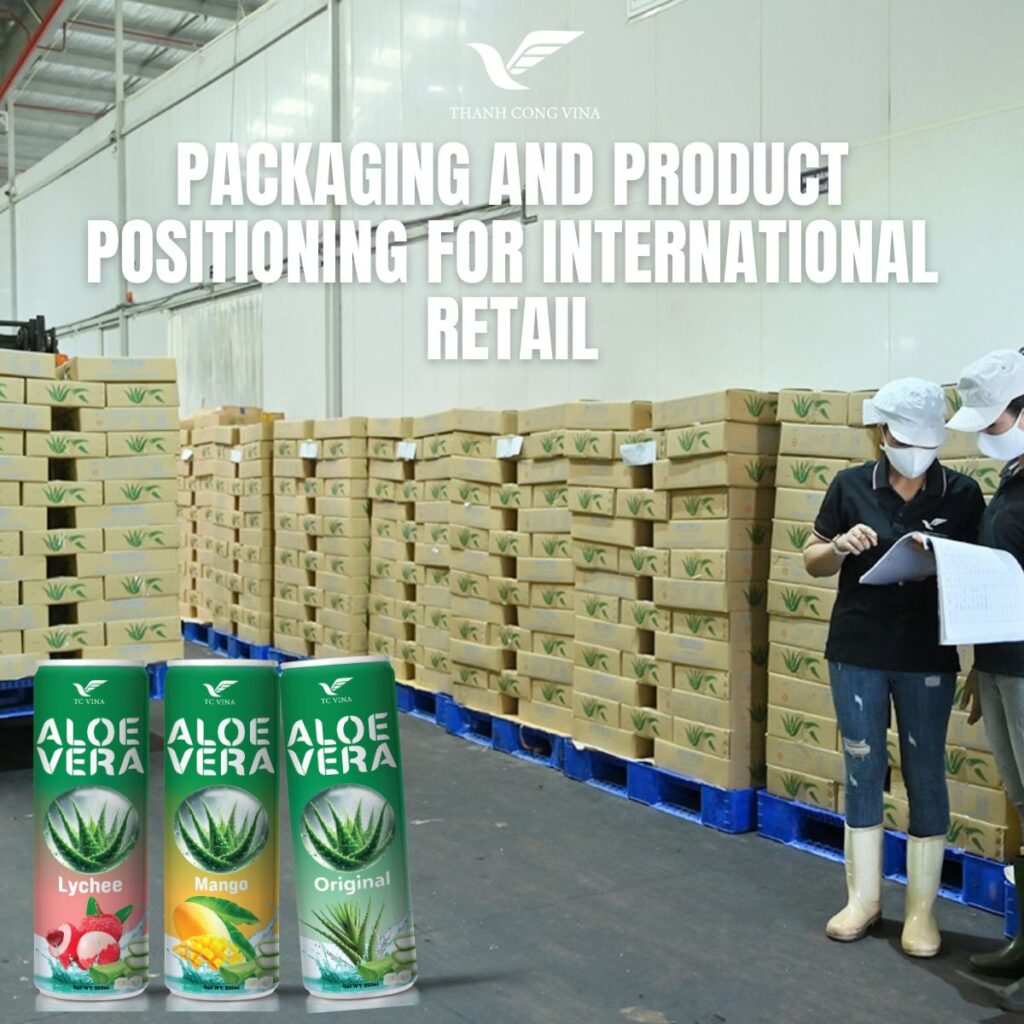
Packaging influences product presentation, handling, transportation, and consumer convenience. For businesses targeting international markets, packaging decisions should be based on both brand objectives and the practical requirements of the beverage.
Selecting a suitable format early can help avoid unnecessary changes during later production stages.
Comparing Packaging Formats and Sizes
Depending on the manufacturer’s capabilities and product requirements, fruit beverages may be packaged in cans, PET bottles, glass bottles, or other suitable containers.
Cans can suit selected convenience and retail applications, while PET bottles offer practical handling and flexibility in size. Glass packaging may support certain premium product concepts, although weight, breakage risk, and transport considerations should be evaluated.
The choice should reflect the product’s characteristics, intended processing method, distribution environment, and target customer.
Container size also influences portion perception, shelf placement, shipping efficiency, and unit economics. Buyers should compare available formats against their intended retail price and consumption occasion rather than selecting packaging based on appearance alone.
Developing Packaging for Different Sales Channels
Packaging requirements may vary across supermarkets, convenience stores, foodservice operators, and online retailers.
A product intended for individual consumption may require a different format from a beverage sold for household use or hospitality applications. Outer cartons, case configurations, labeling, and handling requirements should also be considered.
Buyers should confirm whether the proposed packaging is compatible with the manufacturer’s production line and whether any special components require separate procurement.
Custom printing and nonstandard packaging can affect minimum order quantities and lead times. These factors should be included in the initial project assessment.
Reviewing Labels and Market-Specific Information
Labels communicate product identity and provide information that consumers and regulators may require. Depending on the destination market and product classification, this information can include ingredients, nutrition details, net quantity, storage instructions, manufacturer information, and other mandatory declarations.
Language, nutrition claims, fruit-content statements, and product names may be subject to specific rules.
The buyer and manufacturer should clarify responsibility for preparing, translating, and reviewing artwork. Appropriate regulatory review should take place before packaging is approved for production.
A well-managed packaging process supports brand consistency while reducing the risk of costly artwork corrections or market-entry delays.
5. Quality Assurance and Export Compliance for Fruit Beverages
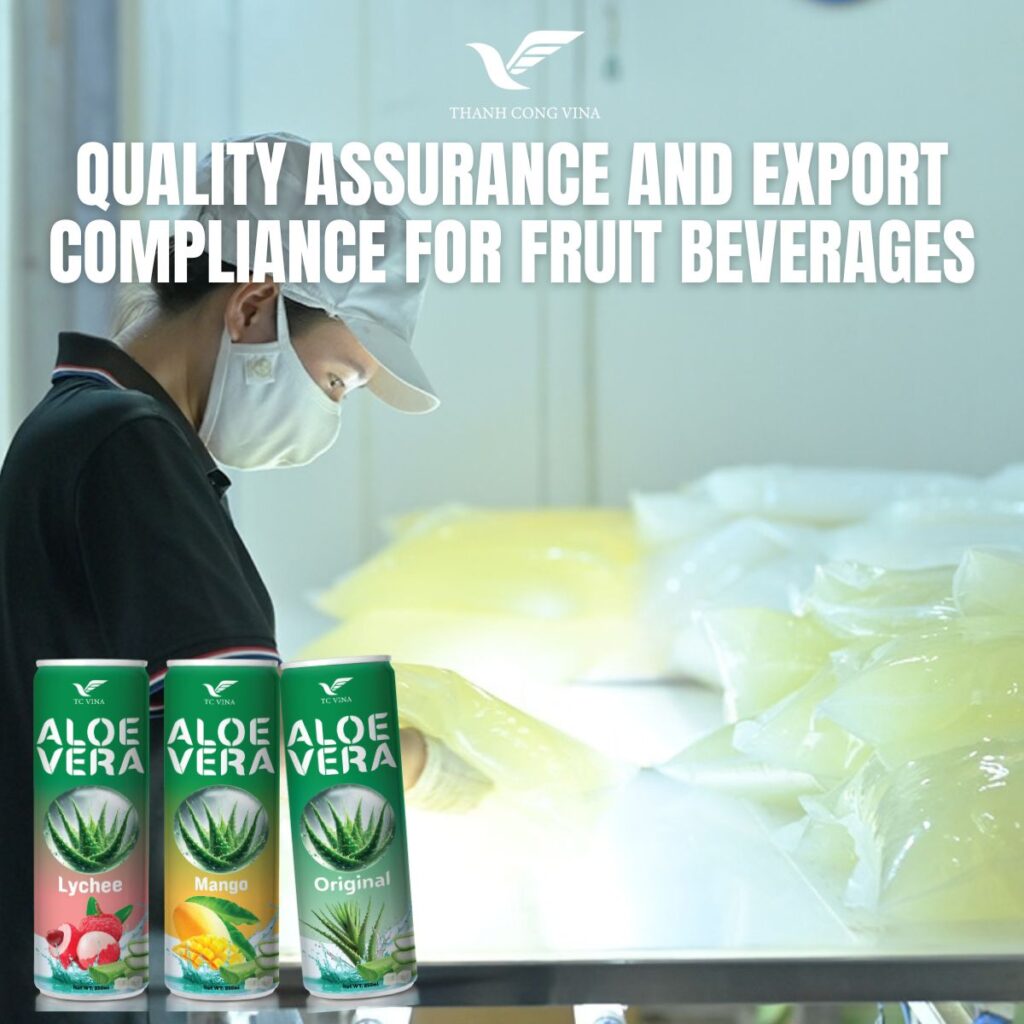
Quality assurance and regulatory preparation are essential when beverages are manufactured for international distribution. Buyers should assess the supplier’s documented processes and confirm which responsibilities belong to the manufacturer, brand owner, importer, and logistics partners.
Requirements vary by product and destination, making early coordination particularly valuable.
Defining Quality Standards for Finished Products
A finished-product specification should describe the characteristics that the beverage must meet. Depending on the product, this may include formulation details, sensory requirements, relevant analytical parameters, microbiological criteria, packaging specifications, and storage conditions.
Buyers should ask how the manufacturer verifies compliance with these requirements and what supporting records can be made available.
Testing plans should be appropriate to the beverage and the relevant regulatory framework. A product sample that meets initial taste expectations does not, by itself, establish that all quality and safety requirements have been satisfied.
Clear acceptance criteria help both parties evaluate finished products consistently and resolve discrepancies using documented evidence.
Verifying Certifications and Supporting Documentation
Certifications and quality management documentation can help buyers evaluate a supplier, but their relevance must be verified.
Buyers should review the issuing organization, validity period, facility covered, and scope of each certification. They should not assume that a certificate associated with one site or activity automatically covers all products or manufacturing operations.
Depending on the project, relevant documents may include product specifications, ingredient declarations, certificates of analysis, test reports, traceability records, and other supporting materials.
The buyer should identify the required documentation before production and confirm who will prepare and approve each document.
This approach helps prevent gaps between the buyer’s expectations and the information available when the product is ready for shipment.
Preparing for Export and Import Requirements
Export readiness involves confirming that the product, packaging, labeling, and shipment documents are suitable for the destination market.
Requirements may differ according to the country, product classification, ingredients, and commercial arrangement. Buyers should verify applicable rules with qualified regulatory specialists, import partners, or relevant authorities.
Logistics planning should include production lead time, packaging availability, shipping schedules, storage conditions, and expected transit duration.
For products with defined storage requirements, the parties should also confirm how these conditions will be maintained throughout the distribution process.
Early coordination among the manufacturer, buyer, importer, and freight forwarder helps identify potential issues before they disrupt a shipment or planned product launch.
6. Selecting a Juice Supplier Vietnam for Long-Term Business Growth
Choosing a manufacturing partner should involve more than comparing unit prices. International buyers need to assess technical suitability, commercial transparency, communication quality, and the supplier’s ability to support repeat orders.
A structured evaluation helps businesses identify a partner whose capabilities match their product and distribution strategy.
Comparing Suppliers Beyond the Initial Quotation
A quotation should be reviewed alongside the services and responsibilities it covers. Important considerations include ingredient specifications, formulation development, packaging materials, quality checks, minimum order quantities, lead times, and export documentation.
Buyers should clarify whether development fees, testing, artwork preparation, and other services are included or charged separately.
The total landed cost may also include freight, insurance, import duties, taxes, and local distribution expenses. These costs can significantly affect the product’s commercial viability.
Comparing suppliers using the same assumptions provides a more useful assessment than selecting the lowest quoted manufacturing price.
Building a Practical Production and Reordering Plan
A supplier relationship should support the buyer’s demand forecast and inventory strategy. Businesses need to balance production quantities with sales expectations, storage capacity, cash flow, and replenishment lead times.
For new products, the initial order should be assessed against realistic market demand and the financial implications of packaging minimums or ingredient purchasing requirements.
For established products, buyers should share forecasts where possible and confirm reorder schedules early enough to accommodate procurement and manufacturing.
Both parties should also agree on procedures for managing changes to specifications, packaging, order quantities, and delivery dates.
Establishing a Reliable Long-Term Partnership
Long-term cooperation depends on clear communication and documented expectations. Buyers should evaluate how a supplier responds to questions, communicates production progress, handles quality concerns, and manages changes.
Regular performance reviews can help identify opportunities to improve planning, reduce avoidable costs, and maintain product consistency.
As demand develops, the relationship may support additional flavors, new packaging sizes, or further beverage categories, subject to the manufacturer’s capabilities and the buyer’s commercial objectives.
A dependable partnership is built through verifiable capabilities, transparent agreements, and consistent execution rather than broad promises alone.
Conclusion: Building Global Beverage Opportunities with Thanh Cong Vina
Finding the right Juice Supplier Vietnam can help importers, distributors, retailers, and beverage brands establish a more structured approach to international sourcing. From ingredient procurement and production planning to packaging selection, quality assurance, and export coordination, every stage contributes to the reliability of the finished product. Buyers should evaluate manufacturing capabilities against their actual requirements, confirm product specifications, review relevant documentation, and understand the complete cost of bringing beverages to their target markets. A well-planned supplier relationship can support consistent replenishment, stronger product positioning, and future portfolio development.
Thanh Cong Vina operates in Vietnam’s beverage manufacturing and export sector and can be considered by businesses evaluating potential partners for fruit beverage projects. By combining clear commercial expectations with careful technical assessment, buyers can make more informed sourcing decisions and prepare their products for international distribution. For companies searching for a Juice Supplier Vietnam, Thanh Cong Vina provides a starting point for discussing beverage requirements, manufacturing arrangements, and potential long-term cooperation.
