
Products Knowledge
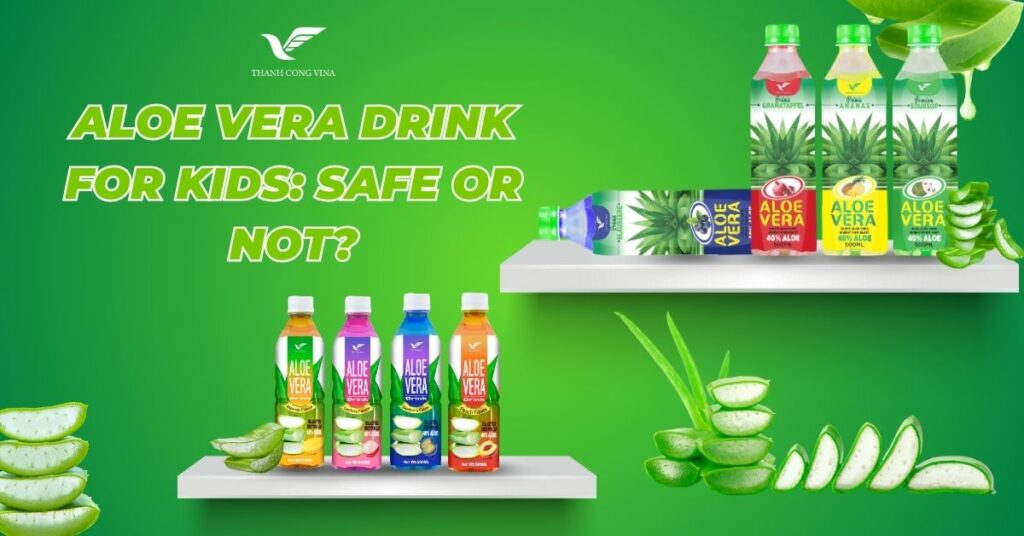
Aloe Vera Drink for Kids: Safe or Not?
Dec
Parents today are more mindful than ever about what their children consume, especially when it comes to beverages marketed as “healthy” or “functional.” As natural drinks gain popularity worldwide, Aloe Vera Drink has attracted attention for its hydration, digestive, and wellness benefits. While aloe vera is widely used by adults, many parents question whether Aloe Vera Drink is truly safe for children.
Understanding the science, formulation standards, and consumption guidelines is essential before introducing this beverage into a child’s diet. Unlike adult nutrition, children’s digestive systems and metabolic needs require special consideration. This article provides a comprehensive, science-based analysis of Aloe Vera Drink for kids, examining safety factors, ingredient composition, dosage considerations, regulatory standards, and expert recommendations. By addressing both benefits and potential concerns, this guide helps parents and brands make informed decisions about aloe vera beverages designed for children.
1. Understanding Aloe Vera Drink Ingredients and Child Safety
Aloe Vera Gel vs. Aloe Latex
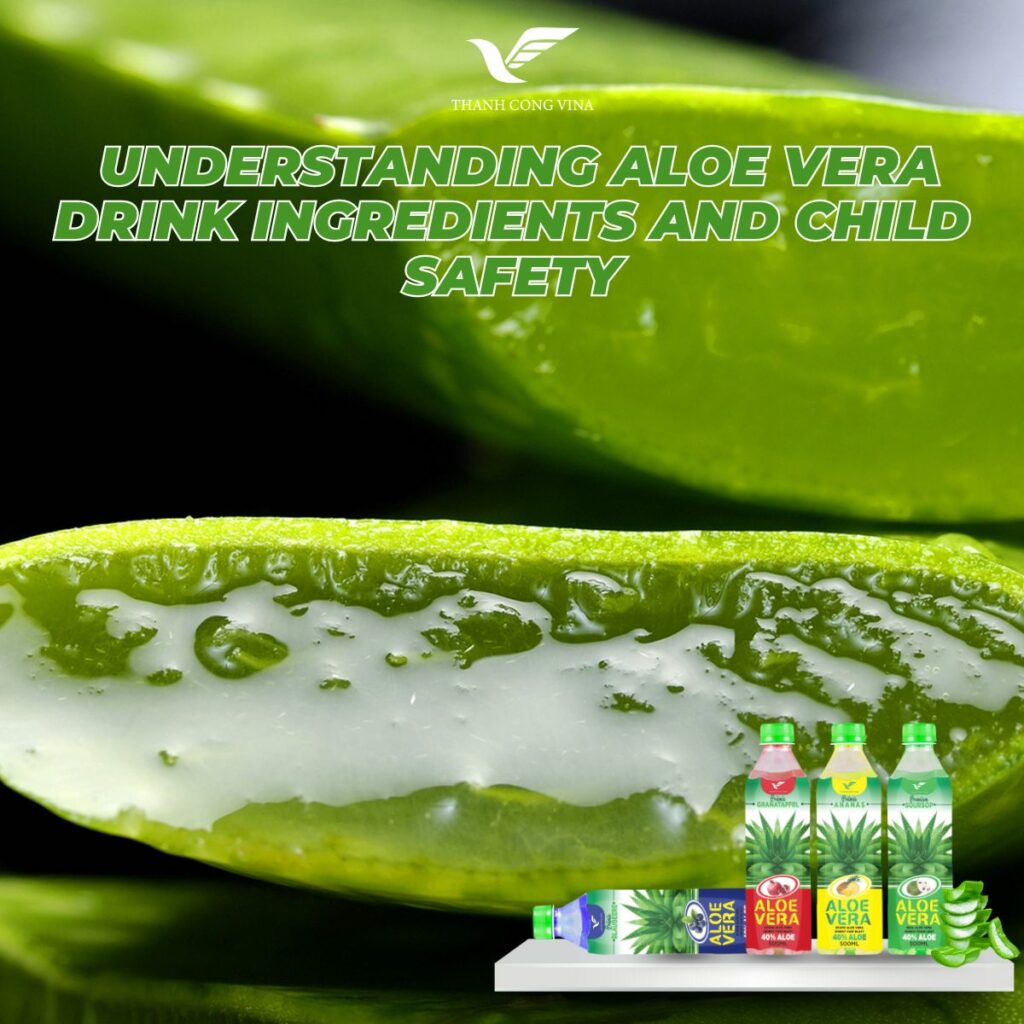
The safety of Aloe Vera Drink largely depends on which part of the plant is used. The inner gel of the aloe leaf is widely recognized as safe for consumption when properly processed. In contrast, aloe latex, found beneath the leaf skin, contains aloin compounds that can cause digestive discomfort and are not suitable for children. Reputable Aloe Vera Drink manufacturers remove latex completely during processing, ensuring only purified gel is used.
Processing Methods and Purification Standards
For children, manufacturing standards are especially important. High-quality Aloe Vera Drink undergoes filtration, decolorization, and microbial testing to eliminate impurities. These processes ensure the drink is gentle on young digestive systems and free from harmful residues.
Importance of Ingredient Transparency
Parents should always review ingredient labels carefully. A child-safe Aloe Vera Drink should avoid artificial colors, preservatives, and excessive sweeteners. Transparency in sourcing and formulation is a key indicator of product safety and quality.
2. Digestive System Development and Aloe Vera Drink
How Children’s Digestive Systems Differ from Adults
Children’s digestive systems are still developing, making them more sensitive to certain compounds. While aloe vera gel is generally gentle, excessive consumption may cause mild digestive reactions. Understanding age-appropriate intake levels is crucial when considering Aloe Vera Drink for kids.
Aloe Vera Drink and Gut Comfort
When consumed in moderation, Aloe Vera Drink may help soothe the digestive tract and support hydration. Aloe’s natural polysaccharides can promote smoother digestion, which may benefit children who experience occasional digestive discomfort.
Avoiding Overconsumption Risks
Even natural beverages should be consumed responsibly. Overconsumption of Aloe Vera Drink may lead to loose stools or abdominal discomfort in children. Portion control and moderation are essential to ensure digestive comfort and safety.
3. Nutritional Value of Aloe Vera Drink for Children
Hydration Benefits Without Excess Sugar
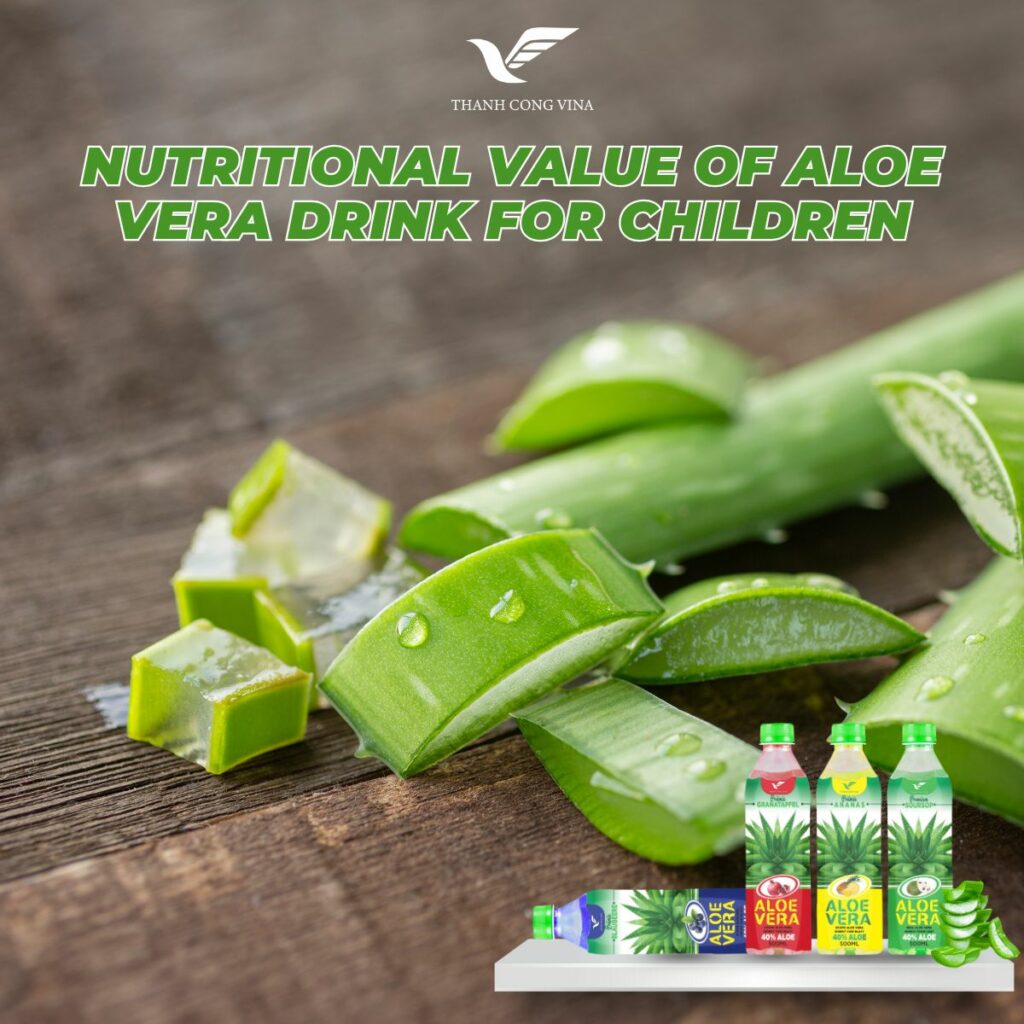
One advantage of Aloe Vera Drink is its high water content combined with low natural sugar levels. Compared to sugary juices and carbonated drinks, aloe-based beverages can support hydration without contributing to excessive calorie intake.
Vitamins and Minerals in Small Amounts
Aloe vera contains trace amounts of vitamins such as vitamin C and minerals like potassium and calcium. While not a primary nutrient source, these components can complement a balanced diet when consumed appropriately.
Role in a Balanced Child Nutrition Plan
Aloe Vera Drink should never replace water, milk, or essential nutrients in a child’s diet. Instead, it can be considered an occasional functional beverage that supports hydration and variety when integrated thoughtfully.
4. Sugar, Flavoring, and Additives in Aloe Vera Drink
Natural vs. Added Sweeteners
Some Aloe Vera Drink products include added sugar or fruit flavoring to improve taste. For children, low-sugar or naturally sweetened options are preferable to avoid unnecessary sugar intake and dental health issues.
Artificial Additives and Child Health
Artificial colors, preservatives, and flavor enhancers may negatively affect children’s health. Parents should prioritize Aloe Vera Drink products with clean-label formulations designed specifically for younger consumers.
Taste Acceptance and Gradual Introduction
Children may need time to adapt to the mild, herbal taste of aloe. Introducing Aloe Vera Drink gradually and in diluted form can help improve acceptance while reducing the risk of digestive discomfort.
5. Age Guidelines and Consumption Recommendations
Suitable Age Range for Aloe Vera Drink
Most experts recommend introducing Aloe Vera Drink only to children above a certain age, typically after early childhood. Younger children may not tolerate aloe-based beverages well due to immature digestive systems.
Portion Size and Frequency
For children, small serving sizes are essential. Consuming Aloe Vera Drink occasionally rather than daily helps minimize potential side effects while allowing children to benefit from hydration support.
Consulting Healthcare Professionals
Parents should consult pediatricians before introducing Aloe Vera Drink, especially if a child has digestive sensitivities or underlying health conditions. Professional guidance ensures safe and appropriate consumption.
6. Regulatory Standards for Aloe Vera Drink Products
Food Safety Regulations and Compliance
Reliable Aloe Vera Drink products comply with food safety regulations such as HACCP, ISO standards, and local food authority approvals. These certifications ensure the drink is safe for general consumption, including by children.
Labeling and Age-Specific Information
Clear labeling is essential for child-safe beverages. Trusted manufacturers specify ingredient sources, nutritional values, and recommended age groups to help parents make informed choices.
Importance of Trusted Manufacturers
Choosing products from established manufacturers with export experience reduces safety risks. Reliable suppliers invest in testing, quality control, and compliance to meet international safety standards.
7. When Aloe Vera Drink May Not Be Suitable for Kids
Allergies and Sensitivities
Although rare, some children may be sensitive to aloe vera. Parents should monitor for signs such as stomach discomfort or allergic reactions when introducing Aloe Vera Drink for the first time.
Interaction with Medications
Aloe vera may interact with certain medications affecting digestion or hydration. Children on regular medication should avoid Aloe Vera Drink unless approved by a healthcare professional.
Special Health Conditions
Children with chronic digestive disorders or weakened immune systems may require stricter dietary control. In such cases, Aloe Vera Drink may not be suitable without medical advice.
Conclusion
The question of whether Aloe Vera Drink is safe for kids depends on formulation quality, portion control, and responsible consumption. When made from purified aloe vera gel, free from harsh additives, and consumed in moderation, Aloe Vera Drink can offer gentle hydration and digestive support for children. However, it should never replace essential beverages or be consumed excessively.
Parents must prioritize transparency, safety certifications, and age-appropriate guidelines when selecting aloe-based drinks for their families. For brands developing child-safe Aloe Vera Drink products, partnering with a reliable manufacturer is critical to ensuring safety and compliance. Thanh Cong Vina provides professionally processed aloe vera beverages that meet strict quality standards. With a focus on responsible formulation and international compliance, TCVina supports brands in delivering safe, trustworthy Aloe Vera Drink options for global markets.
