
Products Knowledge
Cost Breakdown of Fruit Juice OEM Manufacturing
Jan
Fruit juice OEM manufacturing has become a strategic solution for beverage brands seeking cost efficiency, scalability, and fast market entry. Instead of investing heavily in their own production facilities, many companies rely on experienced OEM partners to handle formulation, sourcing, processing, packaging, and compliance. However, understanding the true cost structure behind Fruit Juice OEM manufacturing is essential for making informed business decisions. Costs can vary significantly depending on raw materials, production volume, packaging choices, certifications, logistics, and quality standards.
This article provides a detailed cost breakdown of Fruit Juice OEM manufacturing, helping brand owners, importers, and distributors understand where their money goes and how to optimize budgets without compromising quality. By analyzing each cost component step by step, businesses can better evaluate suppliers, negotiate contracts, and design competitive products. Whether you are launching a private label juice, expanding into new markets, or upgrading your beverage portfolio, a clear view of OEM manufacturing costs will give you a strong commercial advantage.
Raw Material Costs in Fruit Juice Manufacturing
Key Fruit Ingredients and Price Fluctuations
Raw materials represent one of the largest cost components in Fruit Juice OEM manufacturing. The primary expenses come from fruit concentrates, purees, or fresh fruit sources such as mango, orange, pineapple, guava, apple, and passion fruit. Prices fluctuate depending on seasonality, climate conditions, harvest yields, and global demand. For example, citrus fruits often experience price volatility due to weather events, while tropical fruits may be affected by export regulations or logistics constraints.
OEM manufacturers typically source fruit ingredients in bulk, which helps reduce per-unit costs. However, premium fruits, organic-certified materials, or exotic blends significantly increase the overall budget. Brands targeting the health-conscious market often request higher fruit content and fewer additives, which raises ingredient expenses but enhances product positioning.
Sweeteners, Water, and Functional Additives
In addition to fruit ingredients, OEM manufacturers must account for water purification, natural sweeteners (such as cane sugar, stevia, or honey), and functional additives like vitamin C, fiber, or collagen. While water itself is low-cost, purification systems and quality testing add operational expenses.
Functional ingredients are particularly costly due to sourcing, certification, and formulation complexity. A functional juice with immunity-boosting claims can cost 20–40% more than a standard fruit juice formula.
Cost Control Strategies
OEM partners often optimize ingredient sourcing by using regional fruit suppliers, seasonal procurement, and blend customization. For example, mixing high-cost fruits with stable base juices can maintain flavor while reducing costs. Transparent communication with your OEM partner helps balance budget constraints and product quality goals.
Production and Processing Expenses
Manufacturing Line Operations
Production costs include labor, machinery usage, energy consumption, and factory overhead. High-capacity OEM factories operate automated lines that reduce labor costs while maintaining consistency. However, advanced machinery requires regular maintenance, skilled technicians, and energy-intensive processes such as pasteurization or UHT treatment.
Different processing methods impact costs differently. Cold-pressed juices require specialized equipment and shorter shelf life, increasing logistics and storage expenses. Hot-filled or aseptic processes are more cost-effective for mass production and long-distance exports.
Quality Control and Testing
Every production batch undergoes microbiological testing, pH analysis, sugar content verification, and shelf-life assessments. These quality control measures ensure food safety compliance but add laboratory and staffing costs. International export standards, such as FDA or EU regulations, require additional documentation and audits.
Custom Formulation Development
If a brand requests unique flavor profiles or nutritional formulations, R&D costs apply. Product trials, stability testing, and sensory evaluations can increase initial investment. However, these costs are often amortized over large production volumes, making them more manageable in the long term.
Packaging Costs and Design Considerations
Bottle, Can, and Carton Options
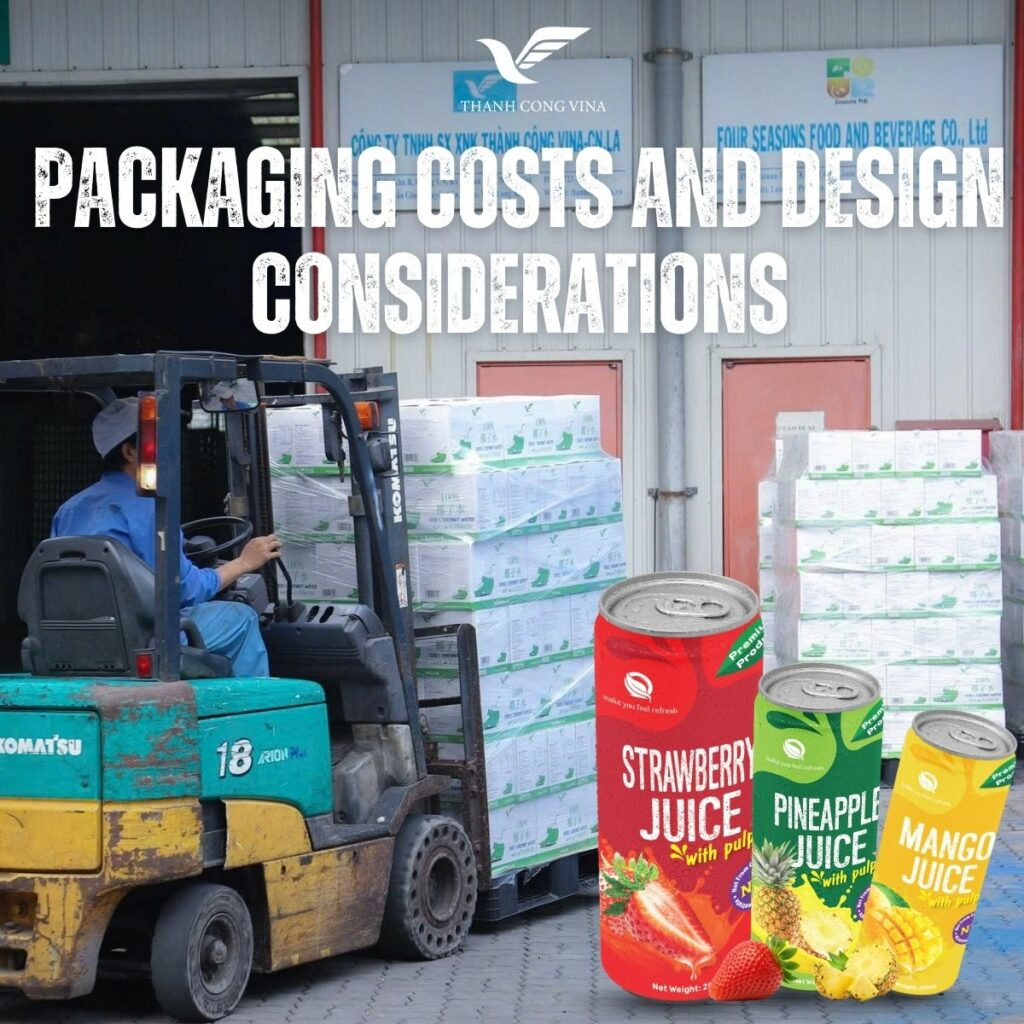
Packaging is a major cost factor in Fruit Juice OEM manufacturing. Glass bottles, aluminum cans, PET bottles, and aseptic cartons each have different price points. Glass offers premium positioning but higher shipping costs. PET bottles are lightweight and economical. Cartons provide excellent shelf life and are popular for export markets.
The choice of packaging affects not only material costs but also filling technology, storage, and transportation efficiency.
Labeling and Branding Expenses
Custom labels, shrink sleeves, and digital printing add branding value but increase per-unit costs. Regulatory labeling requirements, such as nutrition facts and language localization, also impact design budgets.
Premium finishes like embossing, matte coatings, or metallic inks elevate brand perception but raise printing expenses. OEM partners often offer scalable packaging solutions based on target markets and budget levels.
Sustainable Packaging Investments
Eco-friendly packaging options, such as recyclable materials or plant-based plastics, are increasingly in demand. While these solutions align with sustainability goals, they typically cost 10–25% more than conventional packaging. Brands must weigh environmental benefits against price sensitivity in their markets.
Logistics, Storage, and Distribution Costs
Domestic and International Shipping
Transportation costs depend on distance, fuel prices, container availability, and shipping mode. Exporting fruit juice requires temperature control, proper palletization, and compliance with international shipping regulations.
Sea freight is cost-effective for large volumes but slower. Air freight is faster but significantly more expensive. OEM manufacturers usually coordinate with logistics partners to optimize shipping routes and container utilization.
Warehousing and Inventory Management
Storage costs include warehouse rental, temperature control systems, inventory tracking, and insurance. Products with shorter shelf life require faster turnover, increasing distribution pressure.
Customs and Regulatory Fees
Import duties, inspection fees, and documentation costs vary by country. Brands expanding into new markets must factor these regulatory expenses into their total OEM manufacturing budget.
Certification and Compliance Expenses
Food Safety Certifications
OEM beverage factories typically maintain certifications such as ISO, HACCP, HALAL, FDA, and sometimes Organic or Non-GMO standards. Maintaining these certifications requires audits, staff training, documentation systems, and facility upgrades.
Market-Specific Compliance
Different regions impose different regulations on sugar content, additives, labeling language, and health claims. Adapting formulations and packaging to meet these standards increases compliance costs but ensures smooth market entry.
Brand Protection and Legal Support
Trademark registration, formula confidentiality agreements, and export licensing also contribute to overall expenses. These legal safeguards protect brand assets and intellectual property in competitive markets.
How Fruit Juice OEM Manufacturing Affects Pricing Strategy
Economies of Scale
Larger production volumes significantly reduce per-unit costs. Fixed expenses such as R&D, equipment setup, and certifications are spread across more units, improving profitability.
Market Positioning
Premium juices with high fruit content, organic ingredients, and advanced packaging command higher retail prices. Budget-friendly juices focus on cost efficiency and mass appeal.
OEM Partnership Benefits
Working with an experienced OEM partner allows brands to access optimized supply chains, tested formulations, and regulatory expertise, reducing costly trial-and-error phases.
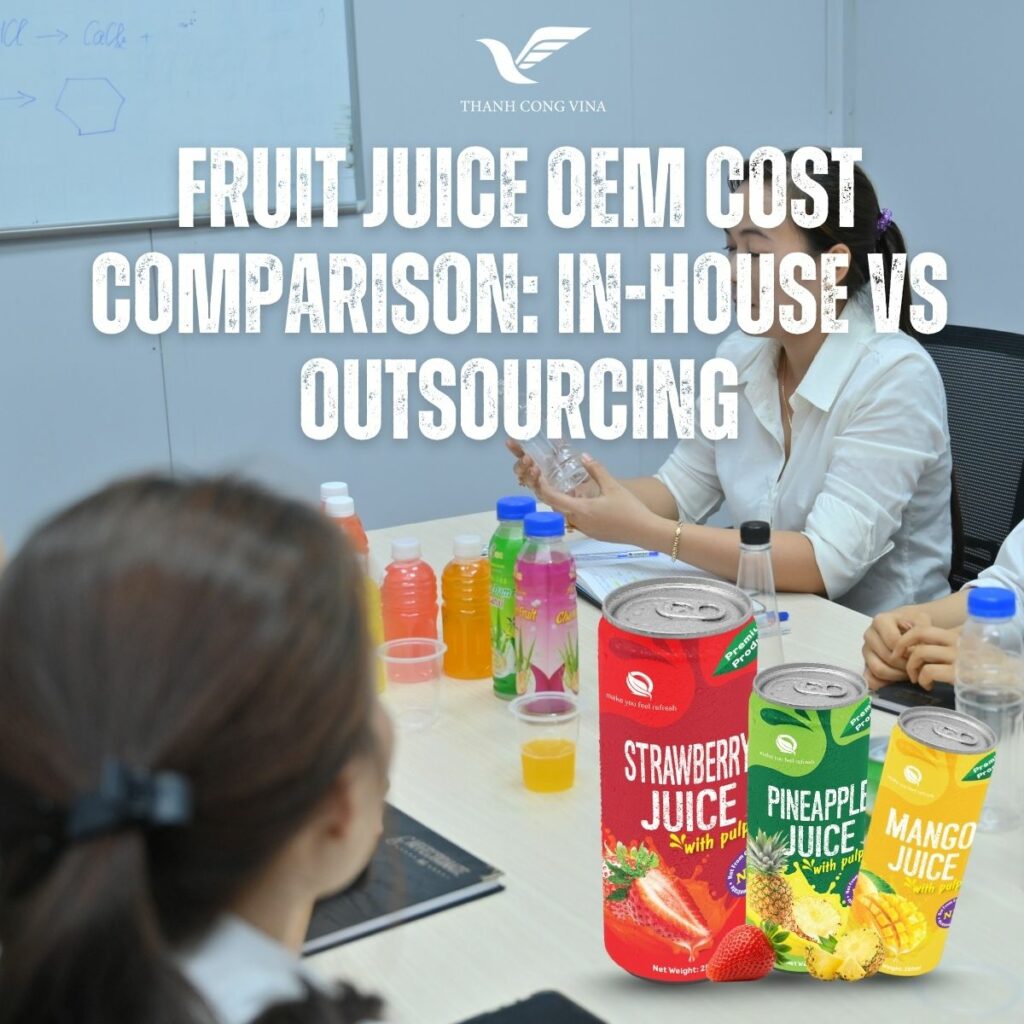
Fruit Juice OEM Cost Comparison: In-House vs Outsourcing
Capital Investment
Building an in-house production facility requires major investments in land, machinery, staffing, and certifications. OEM manufacturing eliminates these upfront costs.
Operational Flexibility
OEM partners allow brands to scale production up or down based on demand without long-term infrastructure commitments.
Risk Management
Outsourcing reduces financial risk, regulatory exposure, and operational complexity, allowing brands to focus on marketing and sales.
Long-Term Cost Optimization Strategies
Supplier Relationships
Strong relationships with OEM partners improve pricing stability, ingredient sourcing, and production efficiency.
Product Portfolio Planning
Offering multiple juice variants using shared ingredients and packaging formats reduces overall costs.
Continuous Improvement
Regular product reviews, packaging optimization, and logistics audits help maintain cost efficiency as markets evolve.
Conclusion
Understanding the cost breakdown of Fruit Juice OEM manufacturing is essential for building a profitable and scalable beverage business. From raw materials and production to packaging, logistics, and compliance, each cost component plays a critical role in determining final product pricing and market competitiveness. Brands that carefully analyze these factors can optimize their budgets, improve product quality, and accelerate market expansion.
Partnering with a reliable OEM manufacturer ensures access to professional production systems, regulatory expertise, and efficient supply chains. With the right strategy, Fruit Juice OEM manufacturing becomes not just a cost-saving solution, but a powerful growth engine for beverage brands worldwide.
Thanh Cong Vina has established itself as a trusted partner in the global beverage industry, offering high-quality Fruit Juice OEM solutions tailored to diverse market needs. With advanced facilities, strict quality standards, and flexible production capabilities, Thanh Cong Vina helps brands launch competitive, compliant, and profitable fruit juice products across international markets.
