
Products Knowledge
Fruit Juice OEM for Export Markets: What Brands Should Know
Mar
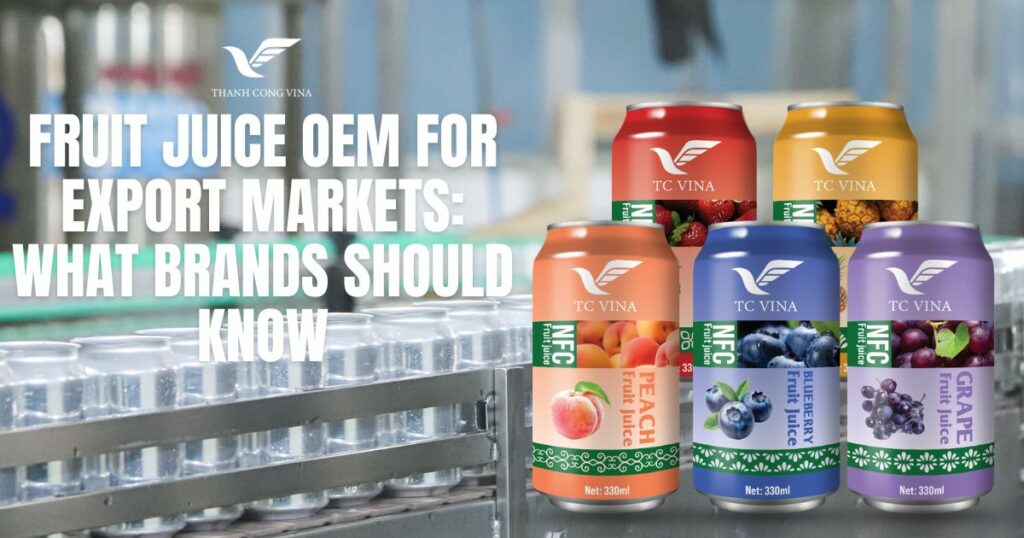
The global demand for fruit juice continues to rise as consumers seek healthier, natural, and convenient beverage options. With increasing international trade and cross-border e-commerce, many beverage brands are now targeting export markets to scale their business and maximize growth opportunities. However, entering global markets requires more than just a great product—it demands compliance with international standards, reliable supply chains, and efficient production systems.
This is where Fruit Juice OEM Services play a crucial role. By partnering with an experienced OEM manufacturer, brands can leverage advanced production capabilities, standardized quality control, and export-ready solutions without investing heavily in infrastructure. From formulation and packaging to certification and logistics, OEM providers support every step of the export journey.
This comprehensive guide explores what brands need to know about using Fruit Juice OEM Services for export markets. It covers key factors such as regulatory compliance, production processes, packaging requirements, certifications, and strategic considerations to help businesses successfully expand into international markets.
1. Understanding Fruit Juice OEM Services in Global Trade
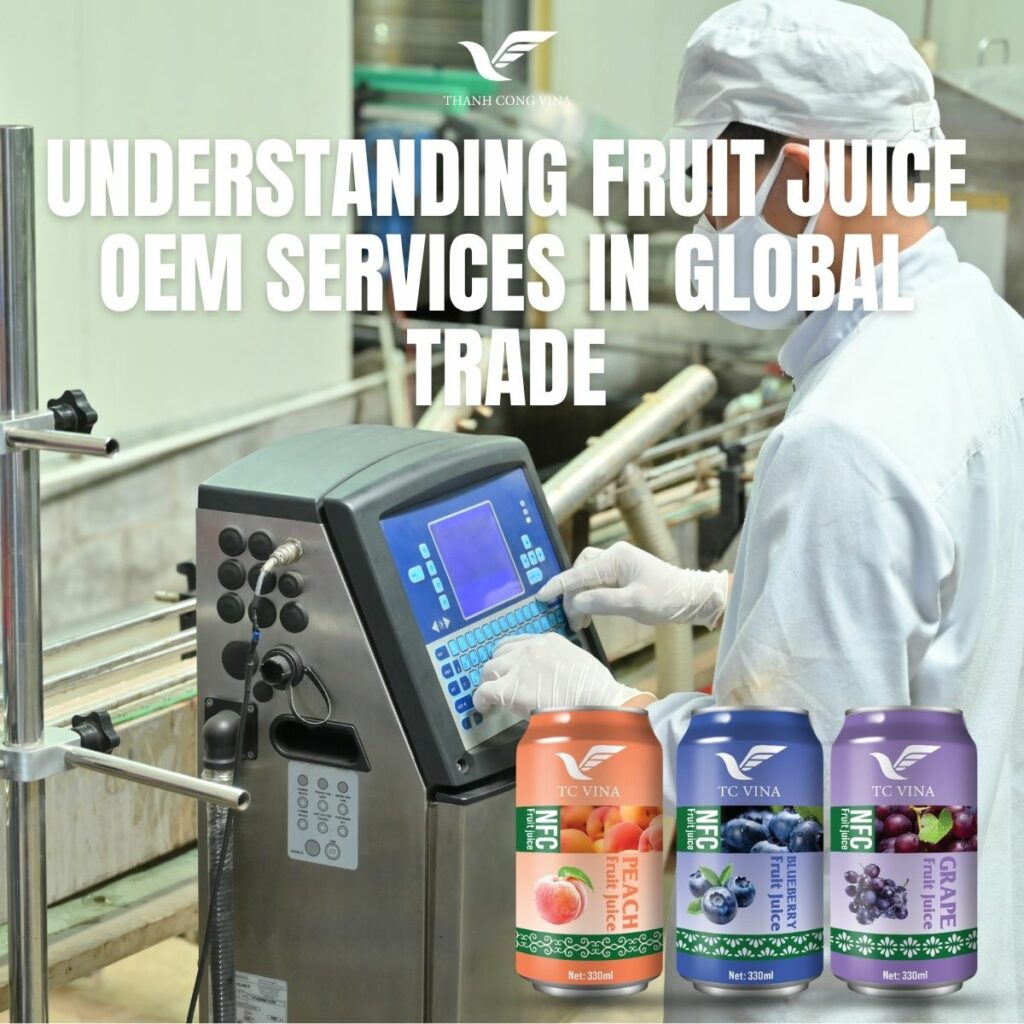
Before entering export markets, it is essential to understand the role of Fruit Juice OEM Services in international business.
What Are Fruit Juice OEM Services?
Fruit Juice OEM Services refer to outsourcing the production of juice products to a third-party manufacturer who produces under your brand name. These services typically include product development, sourcing raw materials, manufacturing, packaging, quality control, and logistics.
OEM providers often have experience working with international clients, making them well-equipped to handle export requirements.
Why OEM Services Are Ideal for Export Markets
Exporting beverages involves complex processes such as compliance with foreign regulations, maintaining product quality during long-distance transportation, and managing documentation. OEM manufacturers simplify these challenges by offering integrated solutions.
They have established systems and expertise in global standards, reducing the risk of delays or product rejection.
Supporting International Expansion
By leveraging OEM services, brands can enter new markets faster and more efficiently. This allows businesses to focus on marketing and distribution while ensuring that production meets international expectations.
Understanding this foundation is key to building a successful export strategy.
2. Fruit Juice OEM Services Export Production Process
Product Development for International Markets
The process begins with adapting product formulations to meet the preferences and regulations of target markets. This may involve adjusting sweetness levels, ingredients, or nutritional profiles.
OEM manufacturers provide valuable insights into regional trends and consumer behavior.
Raw Material Selection and Sourcing
High-quality raw materials are essential for export products. OEM providers source ingredients from reliable suppliers to ensure consistency and traceability.
This step is critical for meeting safety and quality standards.
Manufacturing and Quality Control
Production involves advanced processing techniques such as pasteurization and aseptic filling to ensure product safety and extend shelf life.
Strict quality control measures are implemented at every stage to maintain consistency and compliance.
Packaging and Export Preparation
Packaging is designed to protect the product during transportation and meet regulatory requirements. Proper labeling, including multilingual information, is essential for export markets.
Products are then prepared for shipping with appropriate secondary packaging and documentation.
3. Key Export Regulations and Compliance Requirements
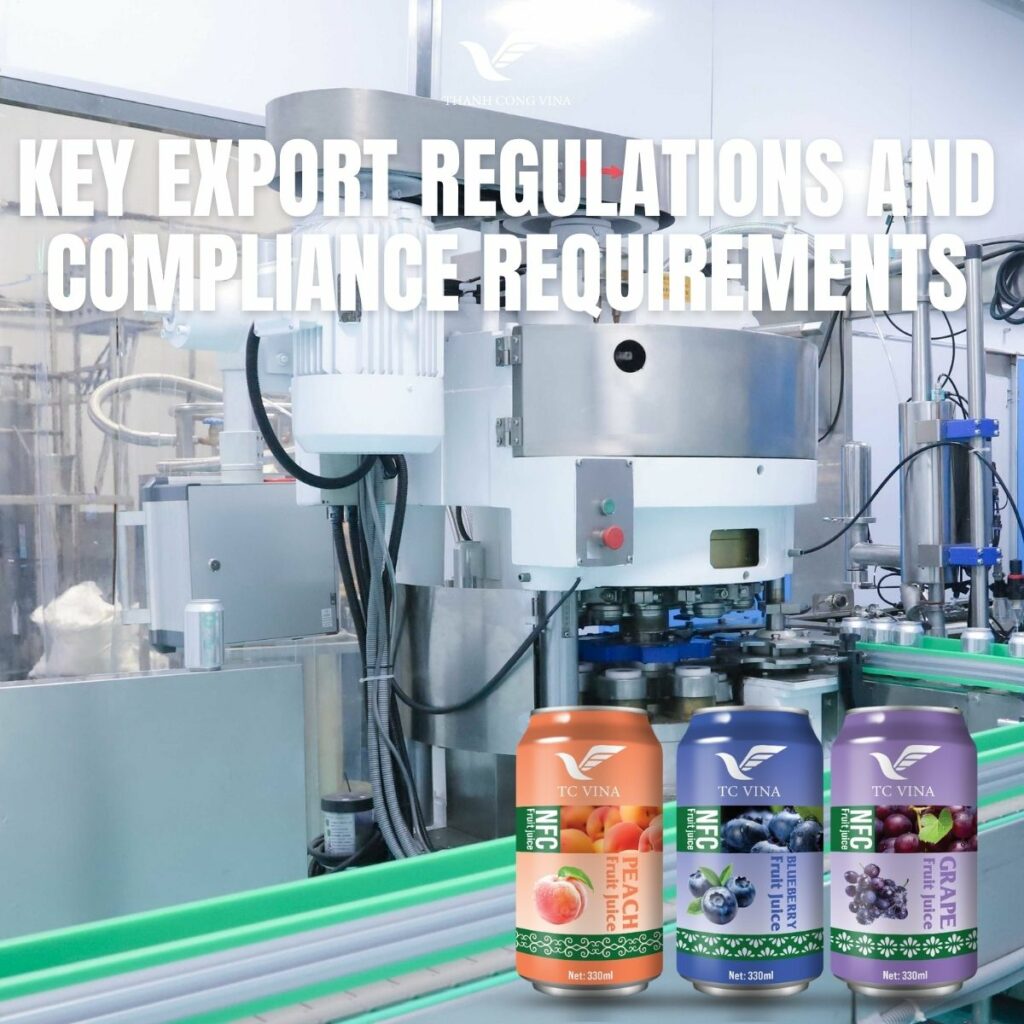
Compliance with international regulations is one of the most important aspects of exporting fruit juice products.
Food Safety Standards
Different countries have specific food safety standards that must be met. These include regulations on ingredients, processing methods, and hygiene practices.
OEM manufacturers ensure compliance with these standards through certified production systems.
Labeling and Packaging Requirements
Export markets often require detailed labeling, including nutritional information, ingredient lists, and expiration dates. Labels must be accurate and comply with local language requirements.
Failure to meet labeling standards can result in product rejection.
Import and Export Documentation
Proper documentation is essential for smooth customs clearance. This includes certificates of origin, health certificates, and shipping documents.
Experienced OEM providers assist with documentation to ensure compliance and avoid delays.
Understanding these requirements helps brands navigate the complexities of international trade.
4. Certifications Required for Export Markets
Certifications are critical for gaining access to global markets and building trust with consumers.
Common Certifications in Fruit Juice OEM Services
Reputable OEM manufacturers typically hold certifications such as ISO, HACCP, FDA, and HALAL. These certifications demonstrate compliance with international standards for quality and safety.
Importance of Certification for Market Entry
Many countries require specific certifications for imported food products. Without these certifications, products may not be allowed to enter the market.
Building Consumer Trust
Certifications also enhance brand credibility by assuring consumers of product quality and safety.
By working with a certified OEM partner, brands can ensure smooth entry into international markets.
5. Packaging Considerations for Export Markets
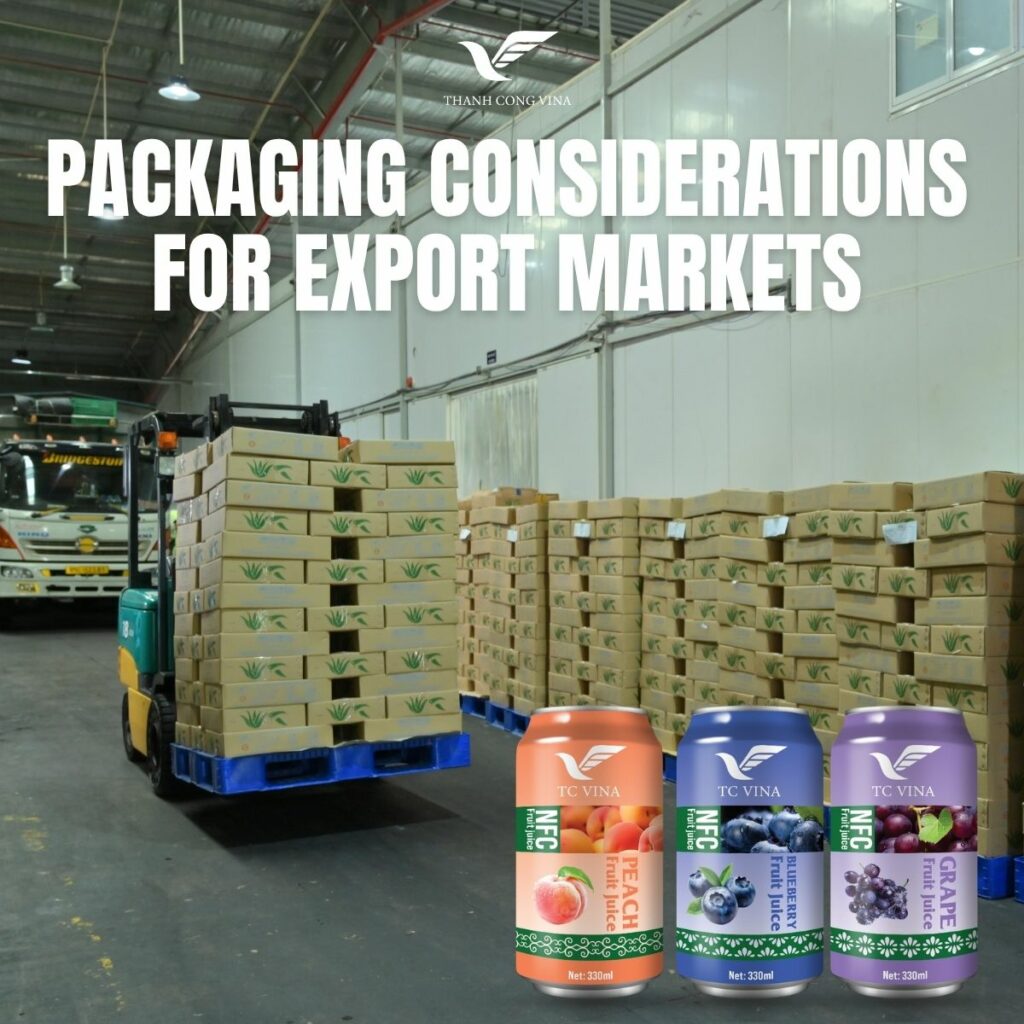
Packaging plays a vital role in protecting products and attracting consumers.
Durability and Protection
Export packaging must withstand long-distance transportation and varying environmental conditions. Durable materials and secure packaging are essential to prevent damage.
Compliance with Environmental Standards
Many countries have strict regulations regarding packaging materials and sustainability. Brands must ensure that their packaging meets these requirements.
Branding and Market Appeal
Packaging design should align with the preferences of the target market. Attractive and culturally relevant designs can enhance product appeal and increase sales.
Effective packaging is key to success in export markets.
6. Logistics and Supply Chain Management
Efficient logistics are essential for successful export operations.
Transportation and Shipping
Choosing the right transportation method is crucial for maintaining product quality and controlling costs. Options include sea freight, air freight, and land transportation.
Inventory and Storage
Proper storage conditions are necessary to preserve product quality. OEM providers often offer warehousing solutions to support inventory management.
Risk Management
Exporting involves risks such as delays, damage, and regulatory issues. Effective planning and coordination help mitigate these risks.
Strong logistics management ensures timely delivery and customer satisfaction.
7. Challenges and Opportunities in Exporting with OEM Services
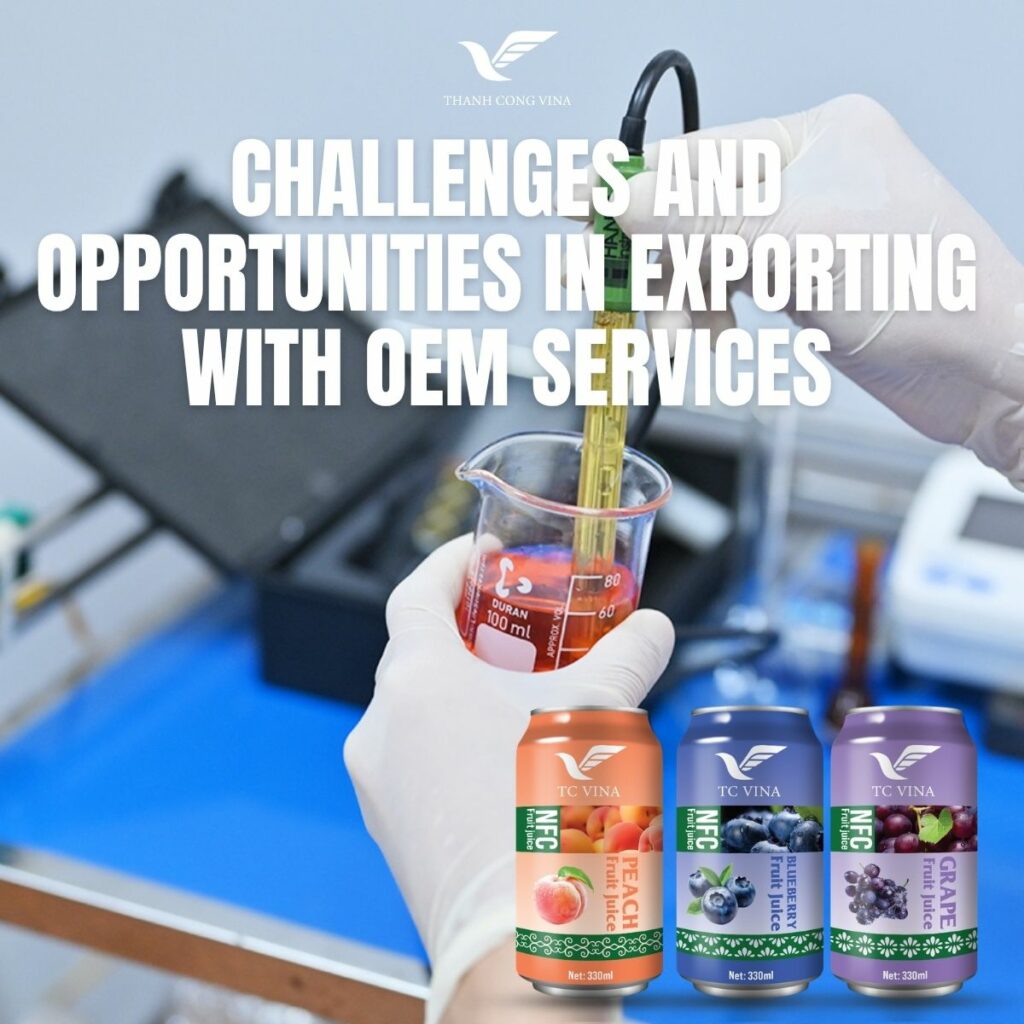
Exporting with OEM services presents both challenges and opportunities.
Challenges in Export Markets
Challenges include navigating complex regulations, managing costs, and ensuring consistent quality across markets.
Opportunities for Growth
Despite these challenges, export markets offer significant growth potential. Increasing global demand for healthy beverages creates opportunities for expansion.
Leveraging OEM Expertise
OEM providers help brands overcome challenges by offering expertise, resources, and support.
By leveraging these advantages, businesses can maximize their success in international markets.
8. Strategies for Success in Export Markets
To succeed in export markets, brands must adopt effective strategies.
Market Research and Planning
Understanding target markets is essential for developing successful products and marketing strategies.
Building Strong Partnerships
Collaborating with reliable OEM partners ensures smooth operations and consistent quality.
Continuous Innovation
Staying ahead of trends and continuously improving products helps maintain competitiveness.
Implementing these strategies enables brands to achieve long-term success in global markets.
Conclusion
Expanding into international markets requires careful planning, compliance with regulations, and efficient production systems. Fruit Juice OEM Services provide a comprehensive solution for brands looking to enter and succeed in export markets. From product development and certification to packaging and logistics, OEM providers support every aspect of the export process.
Thanh Cong Vina IEP CO., LTD is a trusted partner in delivering high-quality Fruit Juice OEM Services tailored for global markets. With advanced production technology, strict quality control, and internationally recognized certifications, Thanh Cong Vina ensures that every product meets export standards. As a reliable Fruit Juice OEM Services provider, Thanh Cong Vina empowers brands to expand globally, optimize operations, and achieve sustainable growth in the competitive beverage industry.
