
Products Knowledge
Fruit Juice OEM vs In-House Production: Which Is Better?
Jan
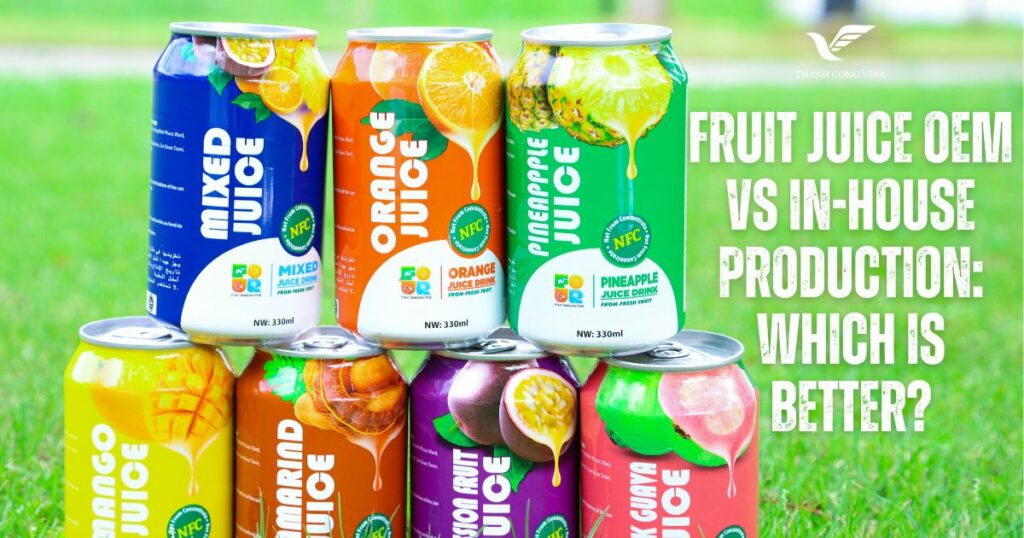
The global fruit juice market continues to grow as consumers seek healthier, natural beverage options. For beverage brands, one of the most important strategic decisions is choosing between Fruit Juice OEM manufacturing and building an in-house production facility. Each model offers unique advantages, but also comes with specific challenges that can directly impact cost, quality, scalability, and long-term business growth.
In-house production gives brands full control over operations, but requires heavy investment in equipment, staff, certifications, and compliance systems. On the other hand, Fruit Juice OEM manufacturing allows brands to outsource production to specialized factories with established infrastructure and technical expertise.
This article provides a detailed comparison between Fruit Juice OEM and in-house production, helping beverage brands understand which approach is better suited for their business goals, budget, and growth strategy.
1. Understanding Fruit Juice OEM Manufacturing
What Is Fruit Juice OEM?
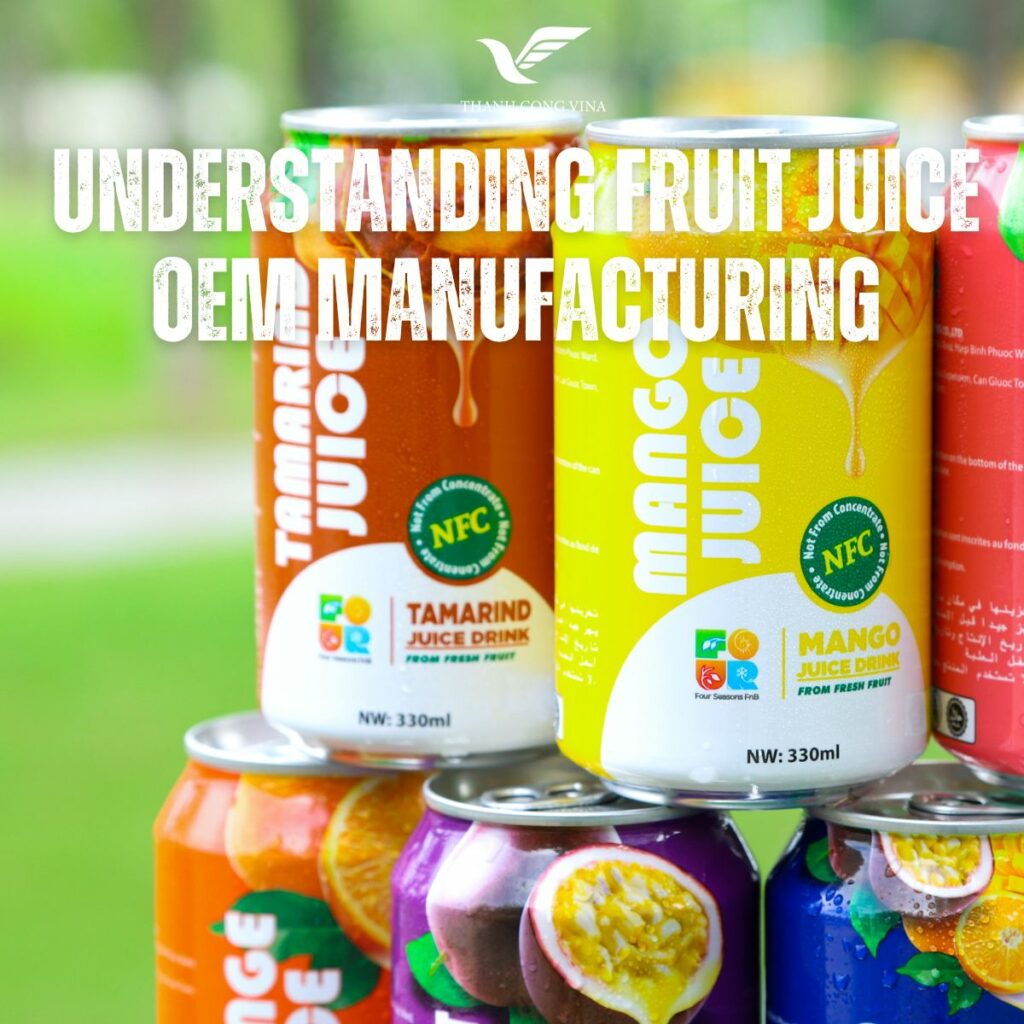
Fruit Juice OEM (Original Equipment Manufacturing) refers to a production model where a specialized factory produces fruit juice products on behalf of a brand. The brand owns the product concept, formulation, and branding, while the OEM factory handles manufacturing, quality control, and packaging.
This model allows brands to enter the market quickly without investing in their own production facilities. OEM factories already have the necessary equipment, certifications, and trained staff to produce high-quality fruit juice at scale.
How OEM Manufacturing Works
The process typically includes product formulation, raw material sourcing, trial production, quality testing, mass production, and packaging. The brand remains involved in product development while the OEM partner ensures technical execution.
Fruit Juice OEM is especially popular among startups, export-focused brands, and companies looking to expand product lines efficiently.
2. Understanding In-House Fruit Juice Production
What Is In-House Production?
In-house production means that a beverage brand owns and operates its own manufacturing facility. This includes managing equipment, staff, raw materials, quality control systems, and regulatory compliance.
While this approach offers full operational control, it also requires significant capital investment and long-term operational commitment.
Operational Responsibilities
Brands must handle everything from machinery maintenance and staff training to hygiene management and certification audits. In-house production also involves higher fixed costs, even during periods of low demand.
This model is usually adopted by large, established companies with strong financial resources and stable market demand.
3. Cost Comparison: OEM vs In-House Production
Initial Investment
In-house production requires heavy upfront investment in land, buildings, processing equipment, bottling lines, laboratories, and storage facilities. In contrast, Fruit Juice OEM eliminates these costs, allowing brands to pay only for manufacturing services.
For startups and growing brands, OEM manufacturing is significantly more cost-efficient.
Operational Costs
In-house production involves ongoing expenses such as staff salaries, equipment maintenance, utilities, certifications, and raw material sourcing. OEM manufacturing converts many of these fixed costs into variable costs, improving cash flow flexibility.
Fruit Juice OEM helps brands control expenses while maintaining production quality.
4. Quality Control and Food Safety
OEM Quality Systems
Professional Fruit Juice OEM factories operate under international standards such as ISO, HACCP, and GMP. These systems ensure strict hygiene, consistent quality, and full traceability.
OEM partners also conduct regular testing to maintain product safety and shelf stability.
In-House Quality Challenges
Maintaining the same level of quality control in-house requires strong technical expertise and continuous investment in testing equipment and staff training. Smaller brands may struggle to meet international standards independently.
Fruit Juice OEM offers a reliable and compliant solution for consistent quality assurance.
5. Scalability and Production Flexibility
OEM Scalability
Fruit Juice OEM factories are designed to handle varying production volumes. Brands can start with small batches for market testing and scale up quickly as demand grows.
This flexibility supports faster market expansion without infrastructure upgrades.
In-House Scalability Limits
Scaling in-house production often requires purchasing new equipment, expanding facilities, and hiring additional staff. This process is time-consuming and costly.
OEM manufacturing provides a faster and more flexible growth path.
6. Speed to Market
OEM Manufacturing Efficiency
OEM partners already have production systems in place, allowing brands to launch products faster. From formulation to final packaging, the process is streamlined.
This speed is crucial in competitive beverage markets where trends change quickly.
In-House Production Delays
Setting up a new factory or production line can take months or even years. Regulatory approvals, equipment installation, and staff training slow down product launches.
Fruit Juice OEM offers a clear advantage in speed and efficiency.
7. Innovation and Product Development
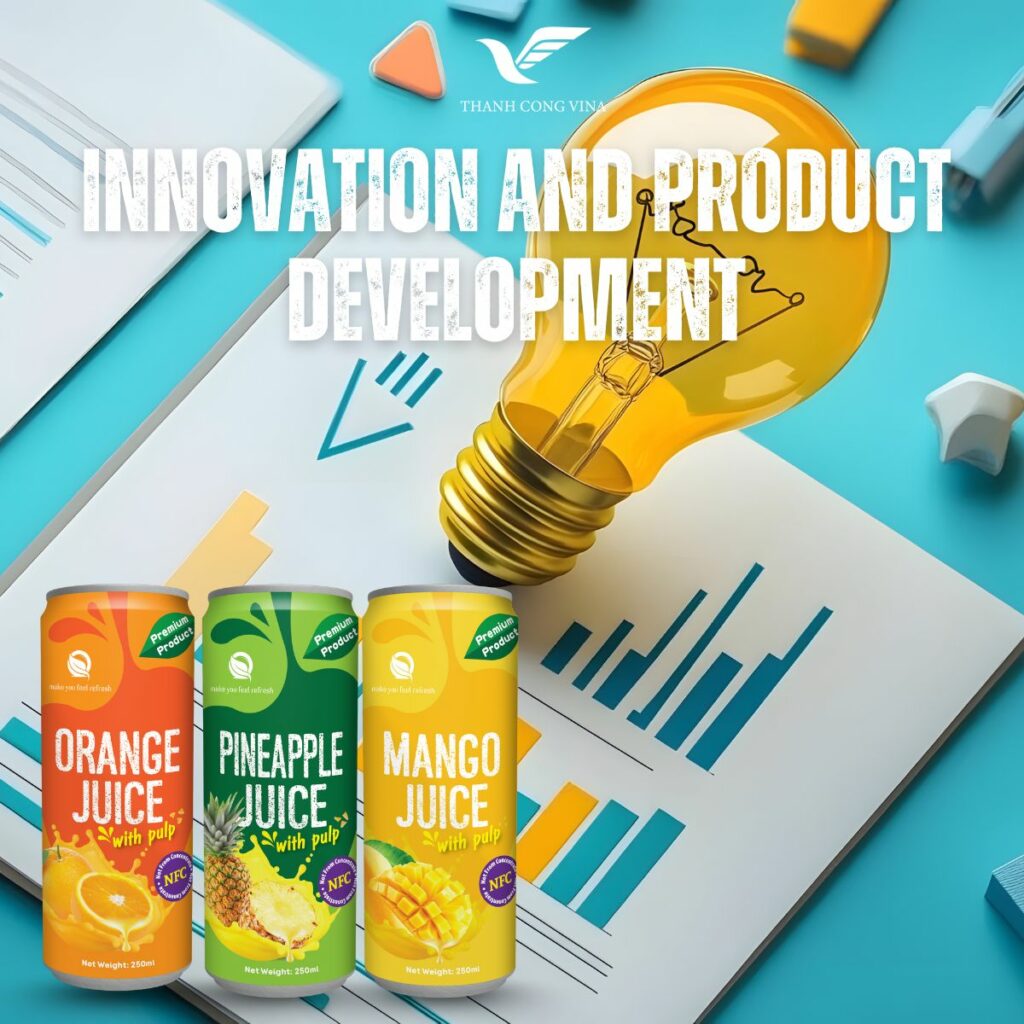
OEM R&D Support
Many Fruit Juice OEM factories provide research and development services, helping brands create new flavors, functional juices, and customized formulations.
This support reduces the risk of failed product launches.
In-House R&D Challenges
Building an internal R&D team requires additional investment and technical expertise. Smaller brands may struggle to keep up with market trends.
OEM partnerships provide access to professional innovation resources.
8. Which Model Is Better for Your Brand?
When Fruit Juice OEM Is the Better Choice
OEM manufacturing is ideal for startups, growing brands, and export-focused companies. It offers cost efficiency, flexibility, speed, and professional quality control.
Brands can focus on marketing and sales while the OEM partner manages production.
When In-House Production Makes Sense
In-house production may suit large corporations with stable demand, strong financial resources, and long-term production strategies.
However, even large brands often use OEM partners for product diversification.
Conclusion
Choosing between Fruit Juice OEM and in-house production depends on your business goals, budget, and growth strategy. For most modern beverage brands, Fruit Juice OEM offers a faster, more cost-effective, and scalable solution. It provides access to certified facilities, professional quality control, and flexible production without the heavy burden of factory ownership.
THANH CONG VINA IMPORT EXPORT PRODUCING CO., LTD is a trusted Fruit Juice OEM partner with advanced manufacturing facilities, international certifications, and strong technical expertise. As a leading Fruit Juice OEM provider, Thanh Cong Vina supports beverage brands with reliable production, consistent quality, and scalable solutions for global markets. By partnering with Thanh Cong Vina, brands can focus on growth while ensuring their fruit juice products meet the highest standards of safety and performance.
