
Products Knowledge
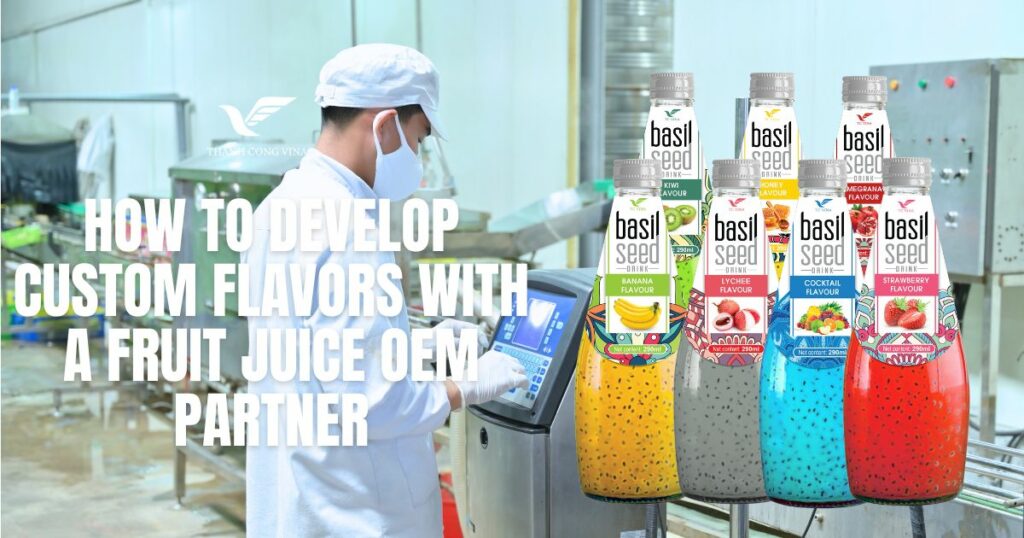
How to Develop Custom Flavors with a Fruit Juice OEM Partner
Mar
In the modern beverage industry, flavor innovation is one of the most powerful tools for building a strong and differentiated brand. Consumers are no longer satisfied with traditional orange or apple juice; instead, they are actively seeking unique blends, exotic fruits, functional ingredients, and healthier alternatives. This growing demand has pushed companies to focus heavily on custom flavor development as a core strategy for success.
Partnering with a Fruit Juice OEM manufacturer is one of the most efficient ways to bring these ideas to life. Rather than investing in expensive research facilities and technical teams, brands can leverage the expertise, technology, and resources of experienced OEM partners. From concept creation to final production, OEM services provide a streamlined path to developing innovative and market-ready products.
This comprehensive guide explores how to develop custom flavors with a Fruit Juice OEM partner, covering everything from ideation and formulation to testing, certifications, and commercialization. Whether you are launching a new beverage brand or expanding your product line, understanding this process will help you create unique flavors that stand out in a competitive market.
1. Understanding the Role of a Fruit Juice OEM Partner in Flavor Development
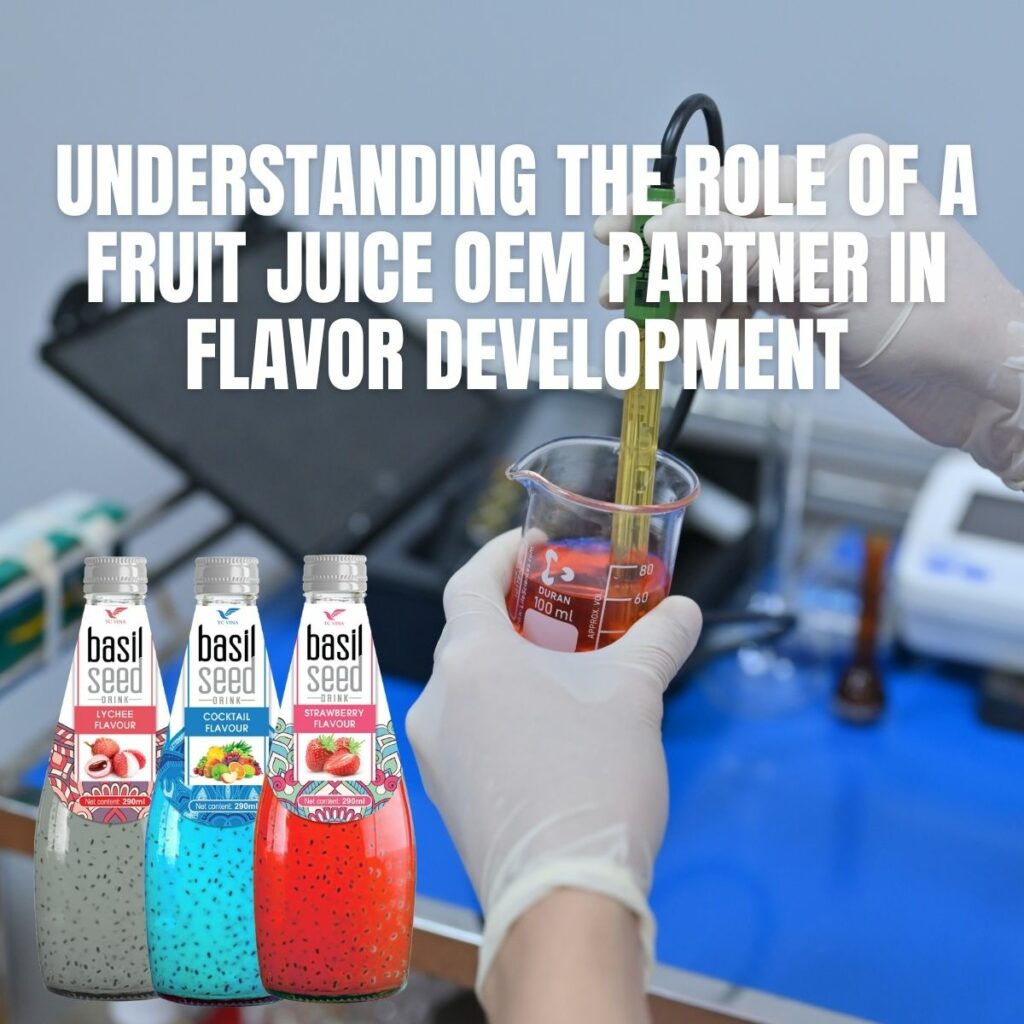
Developing custom flavors requires more than creativity—it demands technical expertise, ingredient knowledge, and production capabilities. This is where a Fruit Juice OEM partner plays a crucial role.
1.1. Technical Expertise and R&D Capabilities
OEM manufacturers typically have dedicated research and development (R&D) teams that specialize in flavor formulation. These experts understand how different fruits, sweeteners, and additives interact to create balanced and appealing taste profiles.
They also stay updated with global trends, helping brands develop flavors that align with consumer preferences such as low sugar, organic, or functional beverages.
1.2. Access to High-Quality Ingredients
A reliable OEM partner has access to a wide network of suppliers, ensuring consistent quality of raw materials. This includes fresh fruits, concentrates, natural flavors, and functional ingredients.
High-quality ingredients are essential for achieving authentic taste and maintaining product consistency across batches.
1.3. End-to-End Development Support
From initial concept to final production, OEM partners provide comprehensive support. This includes formulation, testing, packaging, and compliance with regulations.
By leveraging these capabilities, brands can accelerate product development and reduce the risk of failure.
2. Fruit Juice OEM Flavor Development Process
2.1. Concept Ideation and Market Research
The first step is defining the product concept. This includes identifying target customers, flavor preferences, and market trends.
Market research plays a crucial role in this stage, helping brands understand consumer demand and identify gaps in the market.
2.2. Flavor Formulation and Prototyping
Once the concept is defined, the OEM’s R&D team begins developing sample formulations. This involves selecting ingredients, adjusting sweetness levels, and balancing flavors.
Multiple prototypes are created and tested to refine the taste and achieve the desired profile.
2.3. Sensory Evaluation and Feedback
Taste testing is conducted to evaluate the product’s flavor, aroma, and texture. Feedback from stakeholders or target consumers is used to improve the formulation.
This iterative process ensures that the final product meets expectations.
2.4. Finalization and Production Scaling
After the formulation is approved, the product is prepared for large-scale production. The OEM ensures that the flavor remains consistent during mass manufacturing.
This step marks the transition from development to commercialization.
3. Key Factors That Influence Custom Flavor Development
Several factors must be considered to create a successful juice flavor.
3.1. Target Market Preferences
Different markets have different taste preferences. For example, some regions prefer sweeter flavors, while others favor natural or less sugary options.
Understanding these preferences is essential for creating products that resonate with consumers.
3.2. Ingredient Selection and Quality
The choice of ingredients directly impacts flavor, texture, and nutritional value. Using natural and high-quality ingredients enhances product appeal and aligns with health trends.
3.3. Balance Between Taste and Nutrition
Modern consumers are increasingly health-conscious. Balancing taste with nutritional benefits is crucial for creating successful products.
This may involve reducing sugar content or adding functional ingredients such as vitamins or antioxidants.
3.4. Production Feasibility
Not all flavor ideas are practical for large-scale production. OEM partners help ensure that formulations are feasible and cost-effective.
Considering these factors helps brands develop flavors that are both appealing and commercially viable.
4. Innovation Trends in Fruit Juice OEM Flavor Development
Staying ahead of trends is essential for maintaining competitiveness in the beverage industry.
4.1. Functional and Health-Focused Beverages
Consumers are increasingly seeking beverages that offer health benefits. This includes juices enriched with vitamins, minerals, and natural extracts.
OEM manufacturers are developing formulations that combine taste with functionality.
4.2. Exotic and Fusion Flavors
Unique combinations of fruits, such as tropical blends or cross-cultural flavors, are gaining popularity. These innovative options attract consumers looking for new experiences.
4.3. Low-Sugar and Natural Formulations
Reducing sugar content while maintaining taste is a major trend. Natural sweeteners and fruit-based sweetness are commonly used to achieve this balance.
4.4. Sustainable and Clean Label Products
Clean label products with minimal processing and natural ingredients are becoming more popular. OEM partners are adapting to this trend by offering transparent and sustainable solutions.
By leveraging these trends, brands can create innovative products that stand out in the market.
5. Packaging and Branding for Custom Flavor Products
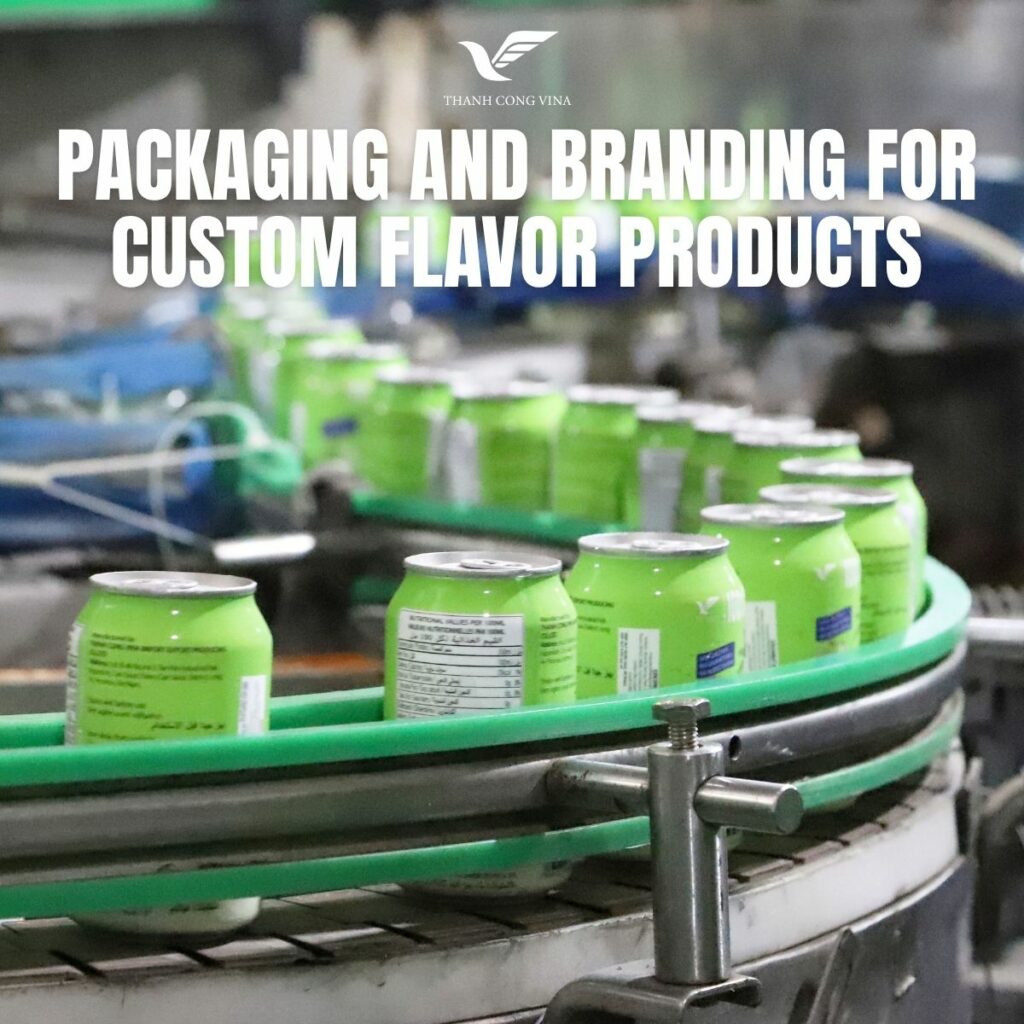
Packaging plays a significant role in the success of custom flavor products.
5.1. Choosing the Right Packaging Format
Different packaging formats, such as bottles, cans, cartons, or pouches, offer unique advantages. The choice depends on the target market and distribution channels.
5.2. Designing for Brand Identity
Packaging design should reflect the product’s flavor and brand identity. Colors, graphics, and labeling elements help communicate the product’s unique characteristics.
5.3. Enhancing Consumer Experience
Functional features such as resealable caps and ergonomic designs improve convenience and user experience.
Effective packaging enhances product appeal and supports marketing efforts.
6. Certifications and Quality Assurance in Flavor Development
Ensuring product safety and compliance is critical in the beverage industry.
6.1. Importance of Certifications
Certifications such as ISO, HACCP, FDA, and HALAL ensure that the product meets international standards.
These certifications build trust and facilitate market entry.
6.2. Quality Control During Development
Quality checks are conducted at every stage of the development process, from raw materials to final products.
This ensures consistency and safety.
6.3. Regulatory Compliance
Different markets have specific regulations regarding ingredients and labeling. OEM partners help brands comply with these requirements.
Strong quality assurance practices are essential for long-term success.
7. Challenges in Developing Custom Flavors and How to Overcome Them
Custom flavor development comes with its own set of challenges.
7.1. Achieving Consistent Taste
Maintaining consistent flavor across batches can be difficult. OEM partners use standardized processes to ensure consistency.
7.2. Balancing Cost and Innovation
Innovative ingredients may increase costs. Brands must find a balance between uniqueness and affordability.
7.3. Meeting Market Expectations
Consumer preferences can change quickly. Continuous research and adaptation are necessary to stay relevant.
By addressing these challenges, brands can successfully develop and launch custom flavors.
Conclusion
Developing custom flavors with a Fruit Juice OEM partner is a strategic approach that enables brands to innovate, differentiate, and succeed in a competitive market. From concept ideation and formulation to production and compliance, OEM services provide the expertise and resources needed to bring unique products to life.
Thanh Cong Vina is a trusted partner in delivering high-quality Fruit Juice OEM solutions tailored to global beverage brands. With advanced R&D capabilities, premium ingredient sourcing, and strict quality control, Thanh Cong Vina supports businesses in creating innovative and market-ready flavors. As a reliable Fruit Juice OEM provider, Thanh Cong Vina empowers brands to stand out, expand globally, and achieve long-term success in the ever-evolving beverage industry.
