
Products Knowledge
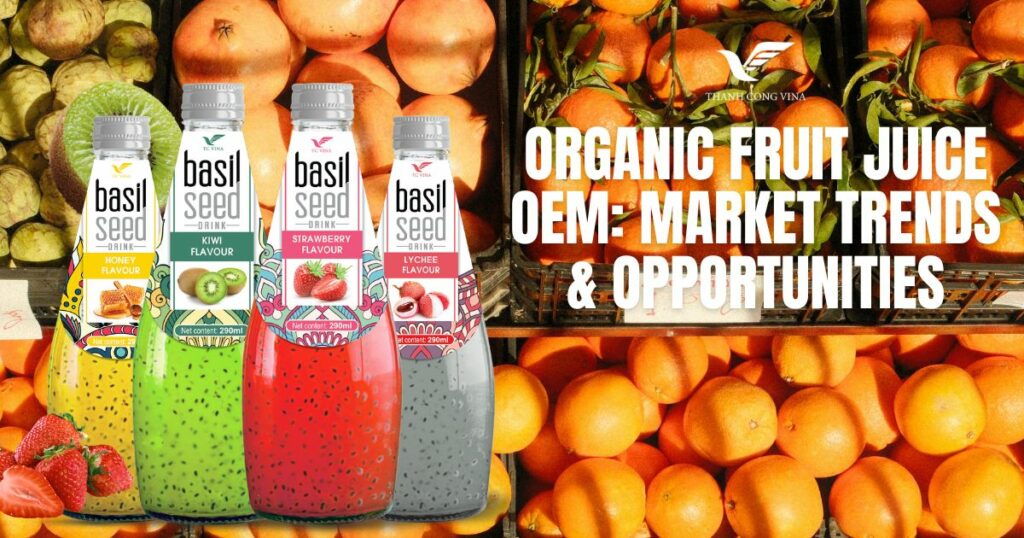
Organic Fruit Juice OEM: Market Trends & Opportunities
Mar
The global beverage industry is experiencing a strong shift toward healthier, more natural products, and organic fruit juice has become one of the fastest-growing segments in this transformation. Consumers are increasingly concerned about the origin of ingredients, the absence of synthetic chemicals, and the environmental impact of food production. As a result, organic-certified beverages are gaining popularity in both developed and emerging markets. For beverage brands seeking to enter this growing sector, working with a professional Fruit Juice OEM partner provides a strategic advantage in terms of production expertise, certification compliance, and scalable manufacturing.
Organic juice production requires strict adherence to agricultural standards, traceability systems, and specialized processing techniques that preserve the natural integrity of the fruit. Brands that attempt to manage these processes independently may face challenges related to certification costs, supply chain management, and production efficiency. By collaborating with experienced Fruit Juice OEM manufacturers, companies can streamline product development while ensuring consistent quality and regulatory compliance. This article explores the global trends shaping the organic juice market and highlights the opportunities available for brands partnering with Fruit Juice OEM manufacturers.
1. The Global Growth of the Organic Beverage Industry
The demand for organic beverages has expanded rapidly over the past decade. Changing consumer lifestyles, health awareness, and environmental concerns have contributed to this growth.
Increasing Consumer Preference for Organic Products
Consumers around the world are becoming more attentive to the ingredients used in their food and beverages. Organic products are perceived as healthier because they are produced without synthetic pesticides, artificial fertilizers, or genetically modified organisms. This perception has significantly influenced purchasing decisions, particularly among younger consumers and families with children.
Organic fruit juice is especially attractive because it combines the nutritional benefits of fruit with the assurance of chemical-free cultivation. Many consumers associate organic juice with higher vitamin content, better taste, and greater overall safety. Retailers have responded to this demand by expanding organic product sections in supermarkets and specialty stores.
Expansion of Organic Retail Channels
The growth of organic beverages is supported by the expansion of retail channels such as health food stores, premium supermarkets, and online marketplaces. E-commerce platforms allow organic beverage brands to reach global consumers more easily than ever before.
At the same time, restaurants, cafés, and wellness-focused establishments increasingly offer organic juices as part of their menus. This diversification of distribution channels creates significant opportunities for beverage brands entering the organic segment.
However, meeting the growing demand requires reliable production partners who can ensure consistent supply and certified processing standards. This is where Fruit Juice OEM manufacturers play a key role in supporting the expansion of organic beverage brands.
2. Fruit Juice OEM: A Strategic Partner in Organic Juice Production
Producing organic juice involves more than simply using organic fruit. The entire manufacturing process must follow strict standards to maintain certification integrity.
Organic Certification and Compliance
Organic certification requires adherence to rigorous agricultural and processing regulations. These rules govern everything from farming practices and ingredient sourcing to cleaning procedures and packaging materials.
A professional Fruit Juice OEM manufacturer understands these requirements and operates facilities designed to maintain organic compliance. Separate processing lines may be used to prevent contamination with non-organic ingredients, and detailed documentation ensures traceability throughout the production chain.
By working with certified Fruit Juice OEM partners, beverage brands avoid the complexities of establishing their own certified facilities. This allows companies to focus on brand development while relying on experienced manufacturers to handle regulatory requirements.
Specialized Processing for Organic Juice
Organic juice production emphasizes minimal processing to preserve natural nutrients and flavor. Gentle pasteurization techniques and careful temperature control help maintain the authenticity of organic fruit.
OEM manufacturers with experience in organic beverage production invest in advanced technologies that protect product quality while ensuring food safety. These technologies enable brands to produce organic juices that meet both consumer expectations and regulatory standards.
Through technical expertise and certification support, Fruit Juice OEM partners make it possible for beverage brands to participate in the growing organic market efficiently.
3. Market Trends Driving Organic Fruit Juice Innovation
Several emerging trends are shaping the direction of organic juice development.
Clean Label and Transparency
Consumers increasingly demand transparency regarding ingredient lists and sourcing practices. Organic fruit juice products often feature simple formulations with minimal additives. Labels emphasizing natural ingredients and traceable origins appeal strongly to modern consumers.
Brands are also highlighting sustainable farming practices and environmentally responsible packaging. These elements strengthen brand trust and enhance consumer loyalty.
Functional and Wellness Beverages
Organic fruit juices are increasingly combined with functional ingredients that support health and wellness. Examples include vitamin enrichment, plant-based antioxidants, and immune-supporting nutrients.
These functional additions allow organic juices to serve multiple purposes beyond hydration. Consumers seeking energy boosts, digestive support, or immune health are more likely to choose beverages that provide added benefits.
OEM manufacturers support these innovations by conducting research on ingredient compatibility, stability, and taste balance. This ensures that functional additions do not compromise the natural character of organic juice.
4. Sourcing Organic Fruits and Maintaining Supply Stability
Reliable access to high-quality organic fruit is essential for successful organic beverage production.
Organic Farming and Raw Material Quality
Organic farming methods avoid synthetic chemicals and focus on soil health, biodiversity, and sustainable cultivation techniques. While these practices improve environmental sustainability, they also create challenges in terms of yield variability and seasonal availability.
Fruit Juice OEM manufacturers often work directly with certified organic farms to secure reliable raw material supply. Long-term partnerships with growers ensure consistent fruit quality and help stabilize production schedules.
Managing Seasonal Fluctuations
Because organic fruit harvests can vary due to climate conditions, OEM manufacturers implement strategies such as frozen fruit storage or juice concentration to maintain year-round production capacity.
These solutions allow beverage brands to continue supplying products to retailers even when fresh fruit availability fluctuates. Effective supply chain management ensures that organic juice production remains stable despite agricultural uncertainties.
5. Packaging and Sustainability in Organic Juice Products
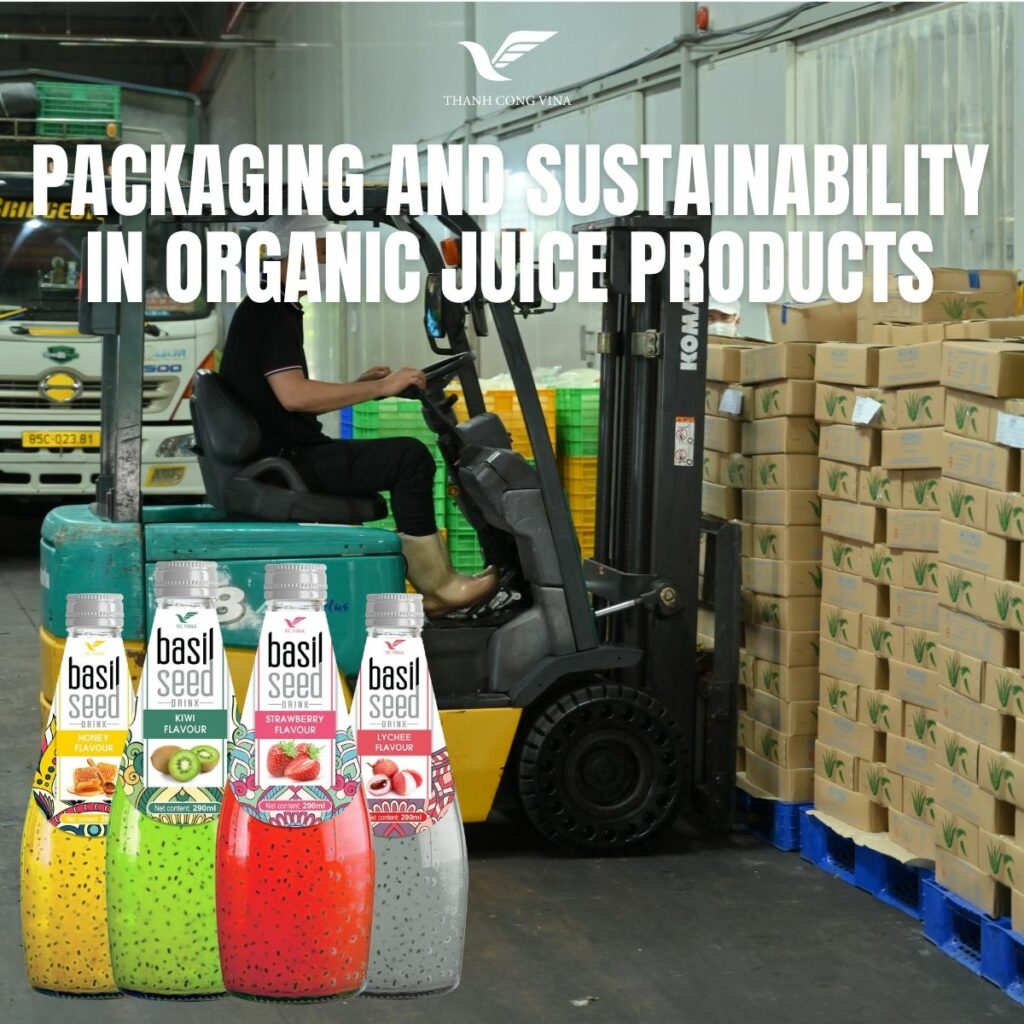
Sustainability is closely connected with organic product positioning. Packaging choices play a significant role in reinforcing environmental values.
Eco-Friendly Packaging Solutions
Many organic juice brands choose packaging materials that reduce environmental impact. Options include recyclable PET bottles, glass containers, and plant-based packaging materials.
Some manufacturers also explore biodegradable packaging innovations that align with environmentally conscious consumer preferences. These solutions support sustainability goals while maintaining product safety and shelf life.
Shelf Life and Product Protection
Organic juice products must maintain freshness without relying on artificial preservatives. Advanced aseptic packaging technology allows organic juices to remain shelf stable while preserving natural flavor and nutritional value.
OEM manufacturers evaluate packaging options carefully to ensure compatibility with organic juice formulations. This ensures both safety and environmental responsibility in the final product.
6. Opportunities for Beverage Brands in the Organic Juice Market
The organic beverage segment offers numerous opportunities for both established companies and new entrants.
Premium Market Positioning
Organic juice products typically command higher retail prices than conventional beverages. This premium positioning allows brands to achieve higher profit margins while appealing to health-conscious consumers.
By emphasizing natural ingredients, sustainability, and traceable sourcing, brands can build strong identities within the organic beverage category.
Global Export Potential
Organic certification often meets international standards recognized in multiple markets. This enables beverage brands to expand beyond domestic sales and enter global distribution channels.
OEM manufacturers with export experience provide valuable support in meeting international labeling requirements, documentation procedures, and shipping logistics.
With the right manufacturing partner, organic juice brands can scale production and access global opportunities efficiently.
7. Innovation and Product Diversification in Organic Juice
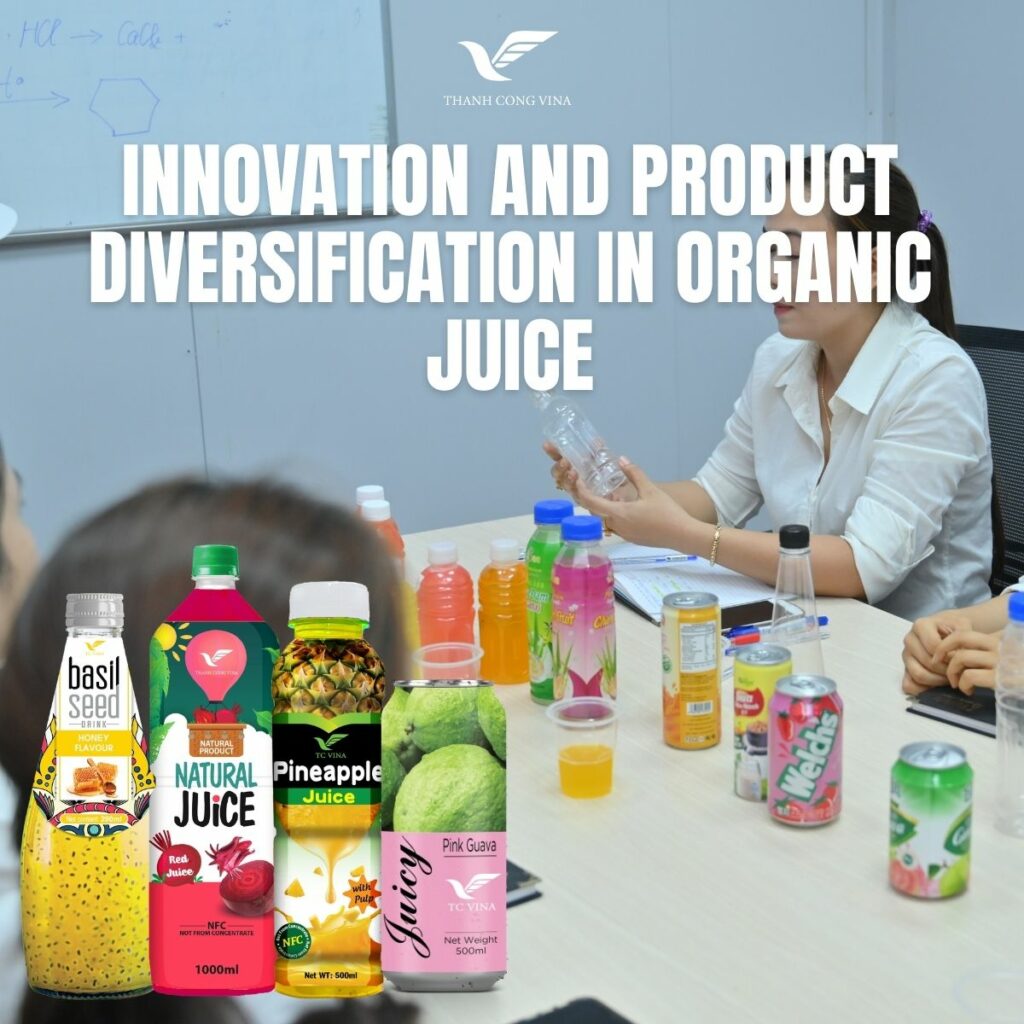
To remain competitive, organic juice brands must continuously innovate and diversify their product offerings.
Unique Fruit Blends and Exotic Flavors
Consumers are increasingly interested in unique fruit combinations and exotic flavors. Organic blends featuring tropical fruits, berries, and superfruits create new sensory experiences that differentiate products in crowded markets.
OEM manufacturers assist in developing these blends while ensuring flavor balance and nutritional stability.
Functional Organic Beverages
Combining organic fruit juice with plant-based functional ingredients opens new product categories. Beverages designed for detox, energy support, or immune health appeal strongly to wellness-focused consumers.
These innovations demonstrate how organic juice can evolve beyond traditional fruit beverages into multifunctional wellness drinks.
Through continuous research and development, Fruit Juice OEM manufacturers help brands remain competitive in a rapidly changing market.
Conclusion
The organic beverage market continues to expand as consumers prioritize health, transparency, and sustainability. Organic fruit juice products align perfectly with these values, offering natural flavor, nutritional benefits, and environmentally responsible production practices. However, producing organic juice requires specialized expertise, strict certification compliance, and reliable supply chains.
Thanh Cong Vina provides comprehensive solutions for beverage brands seeking to develop high-quality organic juice products. As an experienced Fruit Juice OEM manufacturer, Thanh Cong Vina combines advanced production technology with strong quality control systems and global export capabilities. By partnering with Thanh Cong Vina, brands gain access to professional Fruit Juice OEM services that support innovation, sustainability, and long-term success in the rapidly growing organic beverage market.
