
Products Knowledge
Quality Standards to Look for in a Fruit Juice OEM Factory
Jan
As global demand for fruit-based and functional drinks continues to rise, more brands are turning to outsourcing solutions. However, not all factories operate at the same quality level. Understanding which standards to look for in a Fruit Juice OEM factory helps brands avoid costly mistakes, ensure regulatory compliance, and deliver premium products to the market.
This guide explores the essential quality benchmarks, certifications, and operational practices that define a high-performing OEM juice manufacturing partner.
1. International Food Safety Certifications
Importance of Recognized Standards
Food safety certifications demonstrate that a factory follows structured processes to prevent contamination, ensure hygiene, and maintain consistent product quality. These certifications are essential for brands targeting domestic and export markets.
Common Certifications to Look For
ISO 22000, HACCP, FSSC 22000, FDA, and Halal certifications indicate compliance with international food safety regulations. These standards ensure proper hazard analysis, risk control, and documentation.
Audit Transparency
Reliable factories allow regular audits and provide full documentation. This transparency ensures accountability and builds long-term trust between brands and manufacturers.
2. Raw Material Sourcing and Traceability
Supplier Qualification
High-quality OEM factories work only with approved fruit suppliers that meet strict quality and safety criteria. Supplier audits ensure consistent ingredient standards.
Ingredient Traceability
Traceability systems track each ingredient from farm to final product. This helps identify and resolve quality issues quickly.
Freshness and Purity
Using fresh, high-quality fruits improves taste, nutritional value, and product stability. Premium raw materials lead to premium juice products.
3. Production Hygiene and Facility Standards
Cleanroom Manufacturing
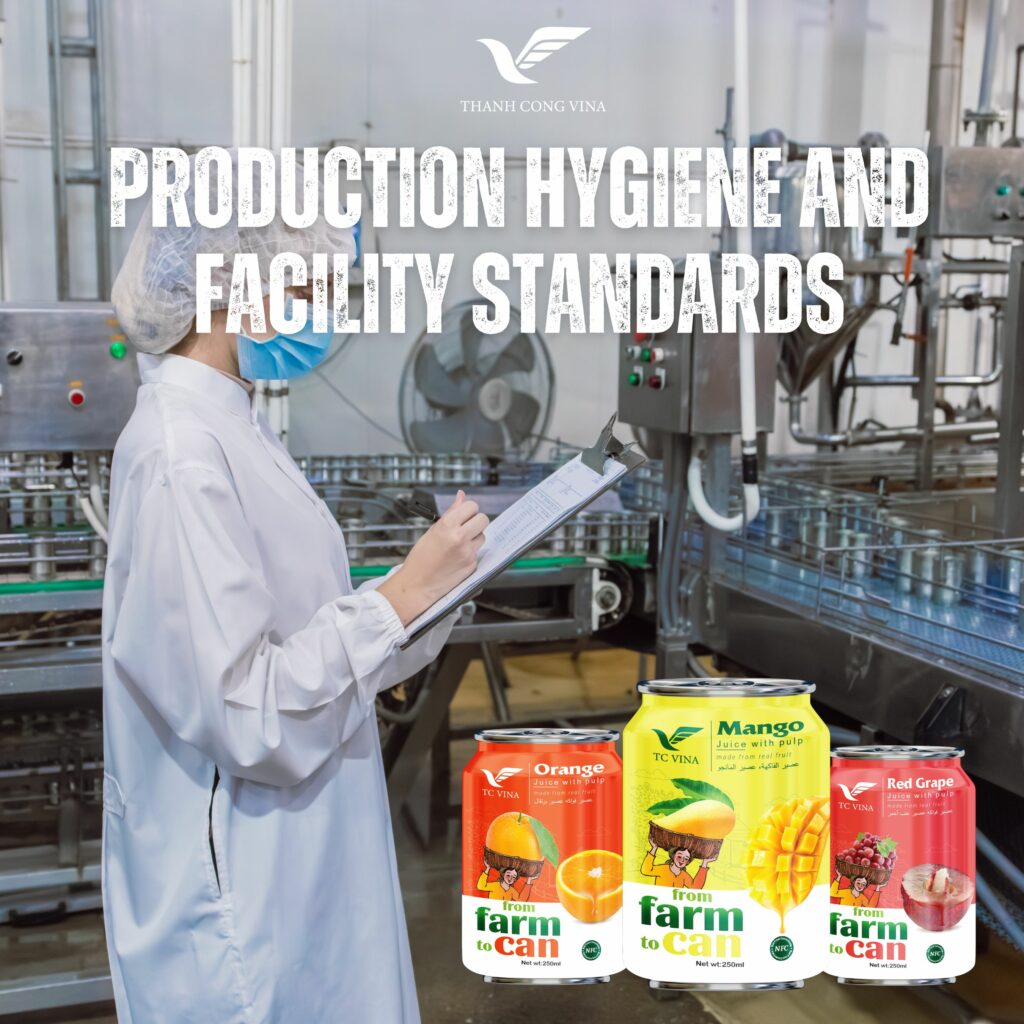
Factories should maintain clean production zones with controlled airflow, temperature, and sanitation protocols.
Equipment Sanitation
Regular cleaning and maintenance of processing equipment prevent cross-contamination and microbial growth.
Employee Hygiene
Staff training on hygiene practices ensures compliance with food safety standards at every stage of production.
4. Quality Control and Testing Procedures
Laboratory Testing
In-house labs test for microbial safety, Brix levels, pH balance, and shelf stability.
Batch Inspection
Each production batch should undergo quality checks before packaging and distribution.
Continuous Monitoring
Real-time monitoring systems ensure consistency in flavor, color, and nutritional content.
5. Why Fruit Juice OEM Quality Standards Matter
Protecting Brand Reputation
Consistent quality protects consumer trust and brand credibility.
Regulatory Compliance
Certified processes simplify export approvals and reduce legal risks.
Long-Term Business Stability
High-quality manufacturing supports sustainable growth and customer loyalty.
6. Packaging Safety and Shelf-Life Assurance
Food-Grade Packaging Materials
OEM factories must use certified food-grade bottles, cartons, and caps.
Shelf-Life Testing
Stability testing ensures product safety throughout storage and transport.
Labeling Accuracy
Correct nutritional labels and ingredient lists support compliance and transparency.
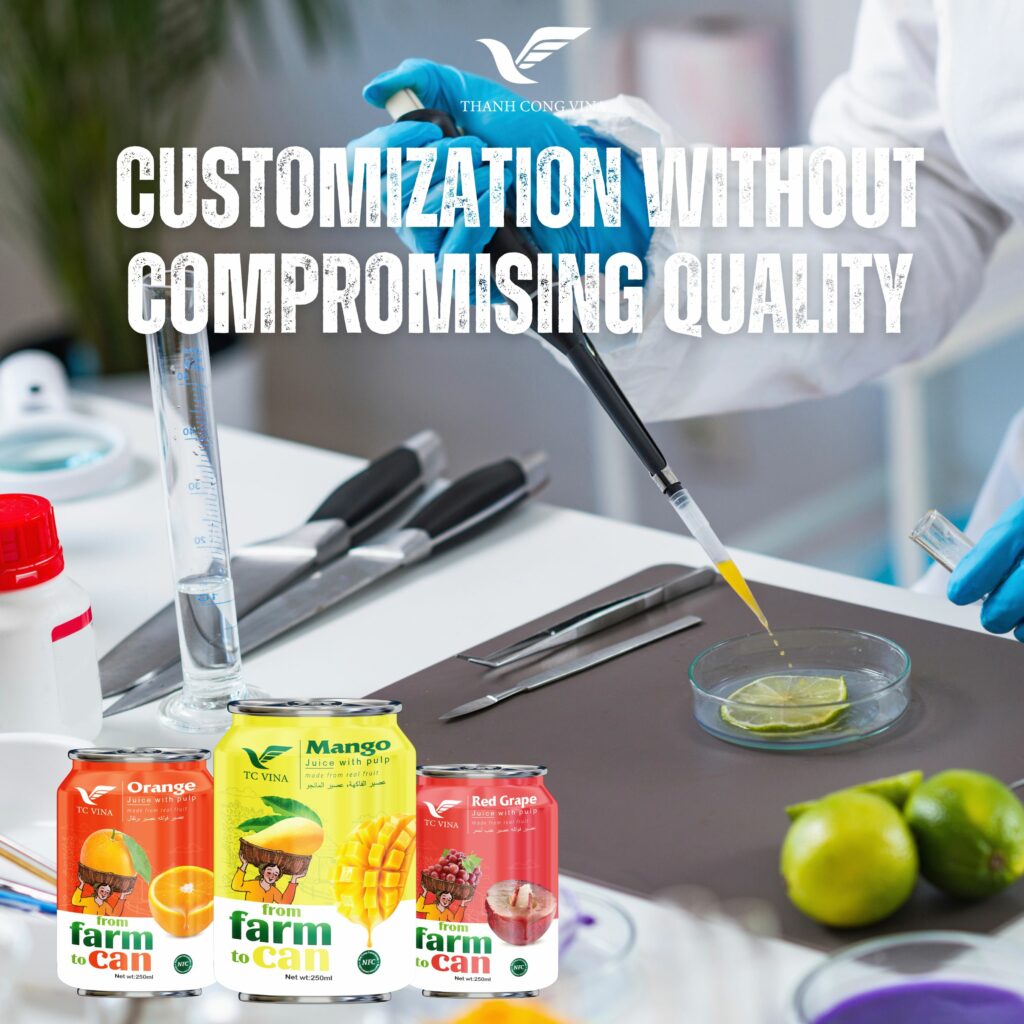
7. Customization Without Compromising Quality
Recipe Consistency
Even with customization, quality standards must remain consistent.
Product Innovation
R&D teams help brands develop new juice variants while maintaining safety and quality.
Market-Specific Adjustments
OEM partners adapt products to meet local market preferences without sacrificing standards.
8. Long-Term Partnership and Continuous Improvement
Ongoing Quality Audits
Regular audits ensure standards remain high.
Process Optimization
Factories improve efficiency through technology and training.
Strategic Collaboration
Strong partnerships support product growth and innovation.
Conclusion
Quality standards define the success of any Fruit Juice OEM partnership. From food safety certifications and raw material sourcing to hygiene protocols and packaging safety, every step in the manufacturing process impacts product integrity and brand reputation. Choosing a factory with strict quality controls ensures consistent taste, regulatory compliance, and long-term customer trust.
With advanced manufacturing systems, certified processes, and a strong commitment to quality, Thanh Cong Vina stands out as a reliable Fruit Juice OEM partner for beverage brands worldwide. By working with Thanh Cong Vina, companies gain access to professional production, rigorous quality assurance, and customized solutions that support sustainable growth in competitive global markets.
