
Products Knowledge
Sustainability Practices in Fruit Juice OEM Production
Apr
Sustainability has become a defining factor in the global beverage industry, as consumers, governments, and businesses increasingly prioritize environmental responsibility. In the fruit juice sector, this shift is especially significant due to the reliance on agricultural resources, water consumption, and packaging materials. As brands strive to align with eco-conscious values, integrating sustainability into production is no longer optional—it is a strategic necessity.
For companies utilizing Fruit Juice OEM solutions, sustainability practices play a critical role in ensuring long-term success. OEM manufacturers are now adopting environmentally friendly processes, optimizing resource efficiency, and implementing responsible sourcing strategies to meet global standards and consumer expectations. These practices not only reduce environmental impact but also enhance brand reputation and market competitiveness.
This comprehensive guide explores the key sustainability practices in Fruit Juice OEM production, covering raw material sourcing, manufacturing processes, packaging innovations, certifications, and future trends. By understanding these practices, beverage companies can make informed decisions and build sustainable brands in an increasingly eco-conscious market.
1. The Importance of Sustainability in Fruit Juice OEM Production
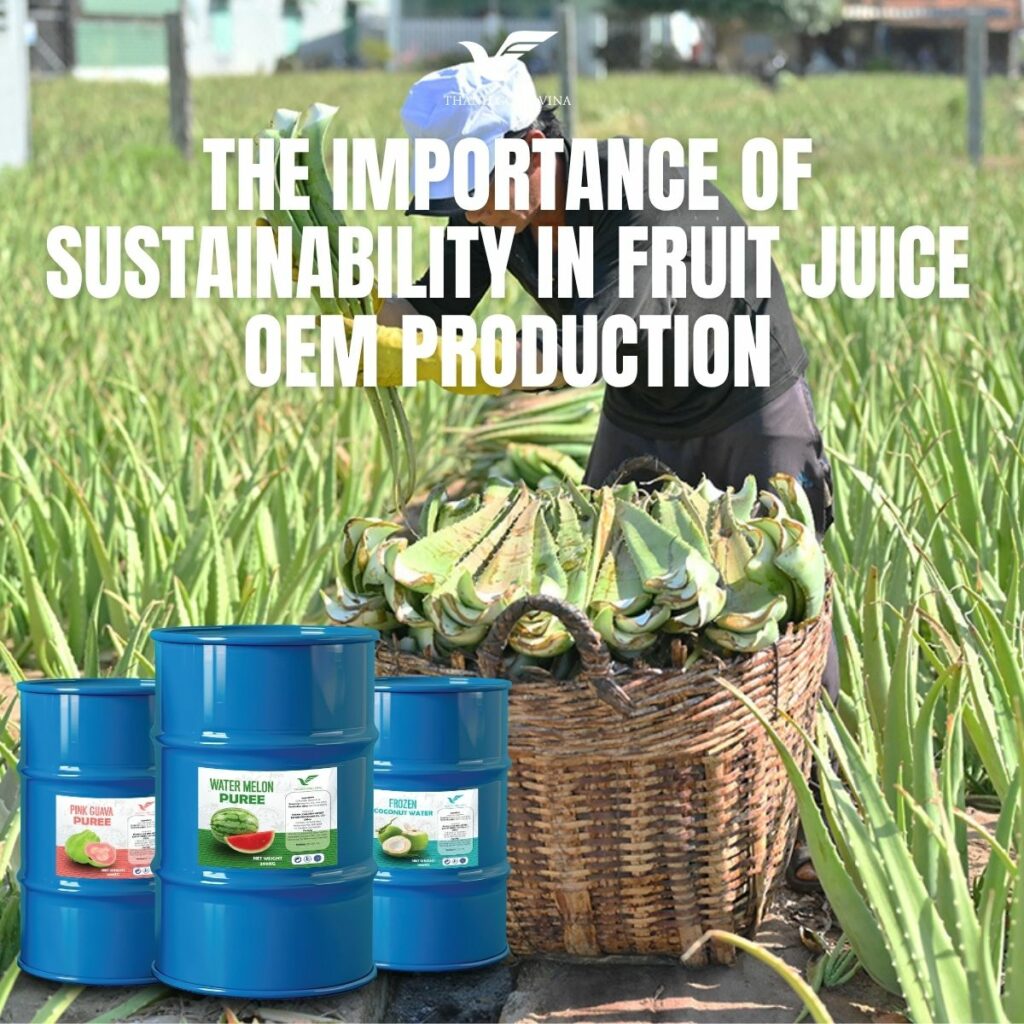
Sustainability is becoming a central focus in the beverage industry, influencing every stage of production.
Growing Consumer Awareness
Consumers are more informed than ever about environmental issues. They prefer products that are responsibly sourced, minimally processed, and packaged in eco-friendly materials.
This shift in consumer behavior is driving brands to adopt sustainable practices.
Environmental Impact of Juice Production
Fruit juice production involves significant use of natural resources, including water, energy, and agricultural inputs. Without proper management, these activities can lead to environmental degradation.
Sustainable practices help reduce waste, conserve resources, and minimize environmental impact.
Business Benefits of Sustainability
Adopting sustainability practices offers several business advantages, including cost savings, improved efficiency, and enhanced brand image.
Companies that prioritize sustainability are more likely to attract environmentally conscious consumers and partners.
Understanding the importance of sustainability is the first step toward implementing effective practices in Fruit Juice OEM production.
2. Sustainable Sourcing of Raw Materials
The foundation of sustainable production lies in responsible sourcing of raw materials.
Ethical and Local Sourcing
Sourcing fruits from local farmers reduces transportation emissions and supports local economies. Ethical sourcing ensures fair labor practices and sustainable farming methods.
OEM manufacturers often build long-term relationships with suppliers to ensure consistent quality and sustainability.
Organic and Eco-Friendly Farming
Organic farming practices avoid the use of harmful chemicals, reducing environmental impact and improving soil health.
Eco-friendly farming methods such as crop rotation and water conservation contribute to sustainable agriculture.
Traceability and Transparency
Traceability systems allow manufacturers to track the origin of raw materials. This ensures accountability and helps maintain quality standards.
Transparent sourcing practices build trust with consumers and stakeholders.
Sustainable sourcing is essential for creating environmentally responsible juice products.
3. Fruit Juice OEM Sustainable Manufacturing Processes
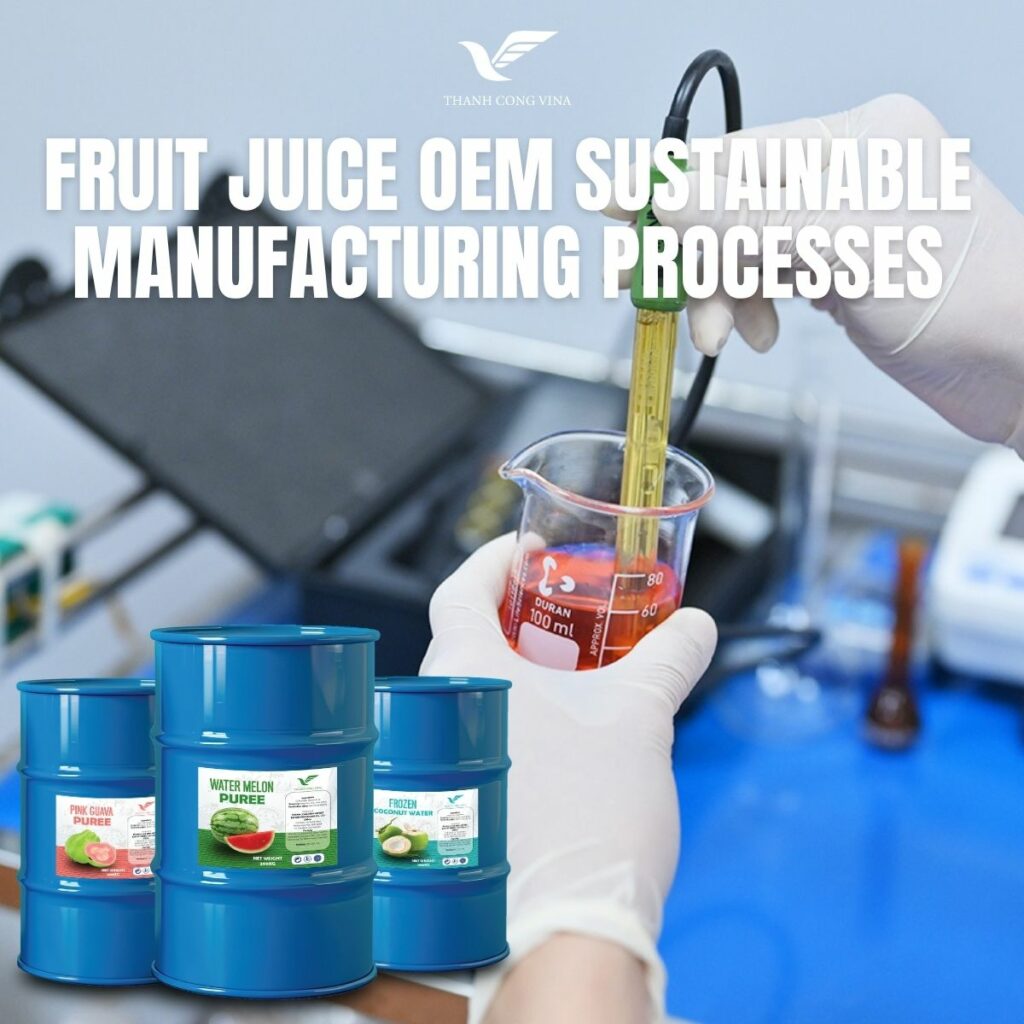
Manufacturing processes play a significant role in determining the environmental footprint of juice production.
Energy Efficiency
Modern OEM facilities use energy-efficient equipment and technologies to reduce energy consumption. This includes automated systems and optimized production lines.
Renewable energy sources such as solar power are increasingly being adopted.
Water Management
Water is a critical resource in juice production. Sustainable practices include recycling water, reducing usage, and implementing efficient cleaning systems.
Proper water management helps conserve resources and reduce costs.
Waste Reduction and Recycling
Manufacturing processes generate waste such as fruit pulp and packaging materials. Sustainable practices involve recycling and repurposing waste.
For example, fruit pulp can be used in other products or as animal feed.
Sustainable manufacturing practices help reduce environmental impact and improve efficiency.
4. Eco-Friendly Packaging Solutions
Packaging is one of the most visible aspects of sustainability.
Sustainable Packaging Materials
OEM manufacturers are adopting materials such as biodegradable plastics, recycled PET, and paper-based cartons.
These materials reduce environmental impact and support circular economy principles.
Reducing Packaging Waste
Optimizing packaging design helps reduce material usage and waste. Lightweight packaging is an effective way to minimize environmental impact.
Consumer Perception and Branding
Eco-friendly packaging enhances brand image and appeals to environmentally conscious consumers.
Clear labeling of sustainable practices can influence purchasing decisions.
Sustainable packaging is a key factor in building a responsible brand.
5. Certifications and Environmental Standards
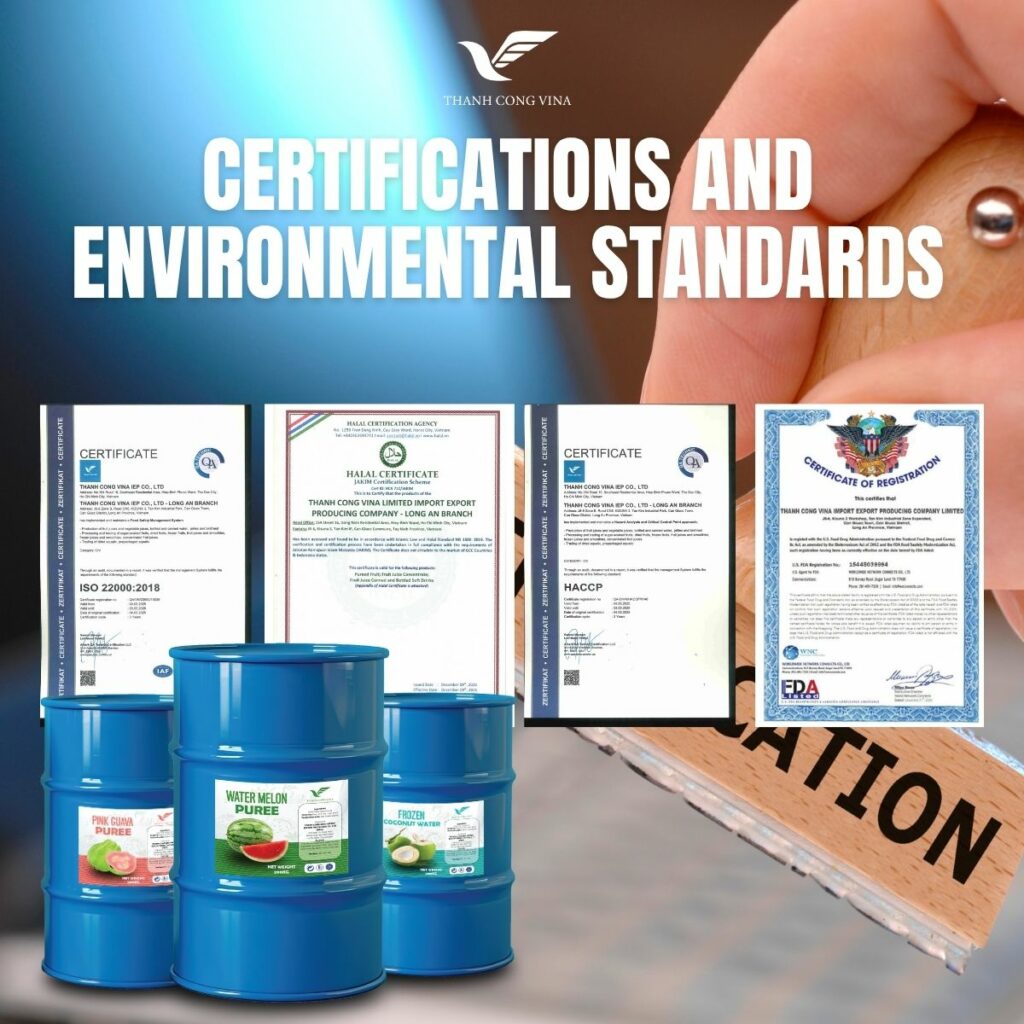
Certifications play a crucial role in validating sustainability efforts.
Key Sustainability Certifications
Certifications such as ISO 14001 (Environmental Management), organic certifications, and fair trade labels demonstrate commitment to sustainability.
These certifications provide assurance to consumers and partners.
Compliance with Regulations
Governments and international organizations are implementing stricter environmental regulations. OEM manufacturers must comply with these requirements.
Continuous Improvement
Sustainability is an ongoing process. Manufacturers must continuously improve their practices to meet evolving standards.
Certifications and compliance are essential for maintaining credibility and competitiveness.
6. Innovation and Technology in Sustainable OEM Production
Technology is a key driver of sustainability in the beverage industry.
Advanced Processing Technologies
Innovations such as aseptic processing and cold-press technology help preserve nutrients while reducing energy consumption.
Digital Monitoring Systems
Digital tools enable real-time monitoring of energy usage, water consumption, and waste generation.
This allows manufacturers to optimize processes and improve efficiency.
Research and Development
R&D teams are constantly exploring new ways to enhance sustainability, including alternative ingredients and eco-friendly packaging.
Innovation is essential for achieving long-term sustainability goals.
7. Challenges in Implementing Sustainability Practices
Despite its benefits, sustainability presents several challenges.
Higher Initial Costs
Implementing sustainable technologies and materials can require significant investment.
Supply Chain Complexity
Ensuring sustainability across the entire supply chain can be challenging.
Balancing Cost and Sustainability
Businesses must find a balance between cost efficiency and environmental responsibility.
Overcoming these challenges requires strategic planning and commitment.
8. Future Trends in Sustainable Fruit Juice OEM Production
The future of sustainability in the beverage industry looks promising.
Increased Adoption of Renewable Energy
More manufacturers are expected to transition to renewable energy sources.
Growth of Circular Economy Practices
Recycling and reuse will become more integrated into production processes.
Consumer-Driven Innovation
Consumer demand will continue to drive innovation in sustainable products.
Global Collaboration
Collaboration between manufacturers, governments, and organizations will accelerate sustainability efforts.
These trends highlight the importance of sustainability in shaping the future of Fruit Juice OEM production.
Conclusion
Sustainability is no longer just a trend—it is a fundamental requirement for success in the modern beverage industry. By adopting responsible sourcing, efficient manufacturing processes, eco-friendly packaging, and innovative technologies, Fruit Juice OEM production can significantly reduce environmental impact while enhancing brand value.
Thanh Cong Vina Beverage is committed to delivering sustainable Fruit Juice OEM solutions that meet global standards and environmental expectations. With advanced production systems, responsible sourcing practices, and a focus on continuous improvement, Thanh Cong Vina ensures high-quality and eco-friendly products. As a trusted Fruit Juice OEM partner, Thanh Cong Vina supports brands in building sustainable business models, expanding into international markets, and achieving long-term success in a competitive and environmentally conscious world.
