
Products Knowledge
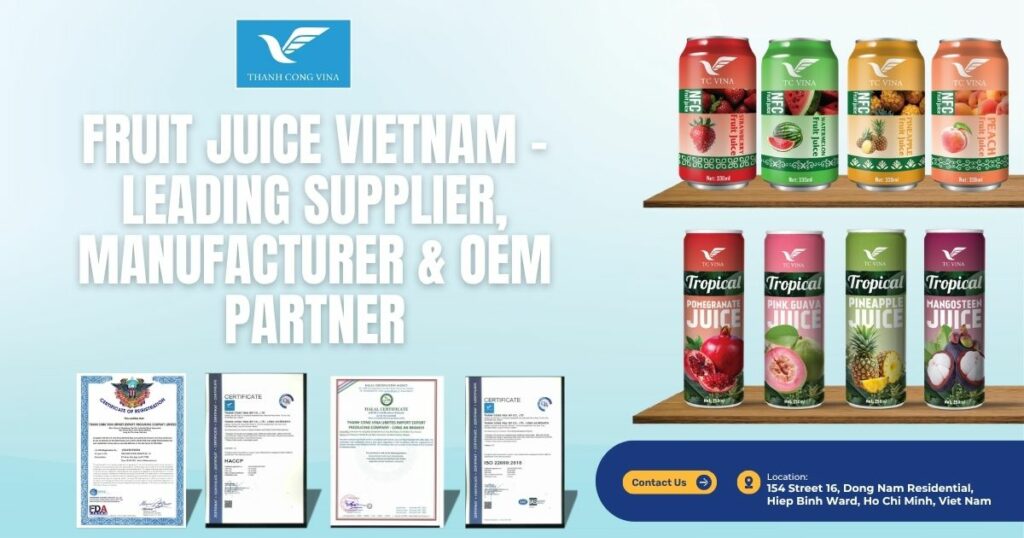
Fruit Juice Vietnam – Leading Supplier, Manufacturer & OEM Partner for Global Beverage Brands
May
In recent years, the global beverage industry has undergone a significant transformation as consumers increasingly prioritize natural, healthy, and convenient drink options. Among the rising sourcing destinations, fruit juice Vietnam has emerged as a strategic choice for international buyers, importers, and beverage brands seeking both quality and cost efficiency. With its tropical climate, abundant fruit resources, and rapidly advancing food processing sector, Vietnam is positioning itself as a reliable hub for fruit juice manufacturing and export.
What makes Vietnam particularly attractive is not only its diverse fruit supply but also its ability to offer comprehensive OEM and private label solutions. Businesses no longer need to invest heavily in production infrastructure. Instead, they can collaborate with experienced Vietnamese manufacturers to develop, produce, and scale their beverage lines efficiently. This combination of flexibility, affordability, and quality has driven a steady increase in global demand for fruit juice products from Vietnam.
1. Vietnam’s Rise in the Global Fruit Juice Industry
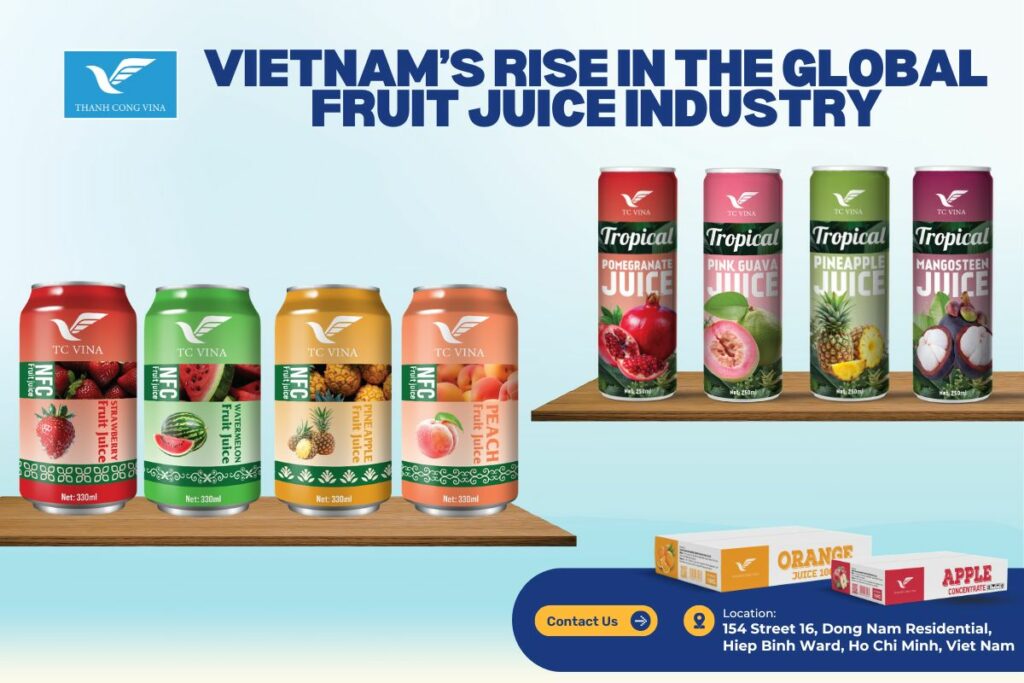
Over the past decade, Vietnam has steadily strengthened its position in the global food and beverage supply chain. While the country was once known primarily as an agricultural exporter, it has evolved into a value-added manufacturing hub capable of producing high-quality processed foods, including fruit juice.
One of the key drivers behind this transformation is Vietnam’s agricultural diversity. The country’s fertile soil and tropical climate create ideal conditions for cultivating a wide range of fruits throughout the year. Unlike regions with seasonal limitations, Vietnam can maintain a relatively stable supply of raw materials, which is critical for large-scale beverage production.
However, raw materials alone do not define a competitive industry. Vietnam has also invested heavily in processing technology, enabling manufacturers to produce juice products that meet the expectations of demanding international markets. Modern facilities equipped with aseptic processing systems, automated filling lines, and advanced quality control laboratories ensure consistency, safety, and scalability.
In addition to technological advancement, Vietnam benefits from a favorable economic environment. Competitive labor costs, supportive government policies, and participation in multiple free trade agreements have made the country an attractive destination for international sourcing. These factors combine to create a unique value proposition: high-quality products at competitive prices, backed by reliable export capabilities.
2. Understanding the Diversity of Fruit Juice Products in Vietnam
The fruit juice industry in Vietnam is not limited to a single product type. Instead, it encompasses a broad spectrum of offerings designed to meet different market segments and applications. This diversity is one of the reasons why fruit juice Vietnam appeals to such a wide range of global buyers.
At one end of the spectrum, fresh juice products emphasize minimal processing and natural flavor. These are often targeted at premium markets where authenticity and nutritional value are key selling points. At the other end, juice concentrate products provide logistical advantages by reducing volume and extending shelf life, making them ideal for international trade and industrial use.
Between these two extremes lies NFC (Not From Concentrate) juice, which aims to preserve the characteristics of fresh juice while offering greater stability. This category has gained popularity in markets where consumers demand both quality and convenience.
Beyond these core categories, Vietnamese manufacturers are increasingly focusing on innovation. Functional beverages enriched with vitamins, antioxidants, and natural extracts are becoming more common, reflecting global trends toward health and wellness. Organic juice products are also gaining traction, particularly in markets with strict environmental and safety standards.
This ability to adapt to changing consumer preferences is a key strength of the Vietnamese industry. Rather than simply supplying raw juice, manufacturers are actively participating in product development, helping clients create beverages that stand out in competitive markets.
3. The Role of Suppliers and Manufacturers in Vietnam’s Success
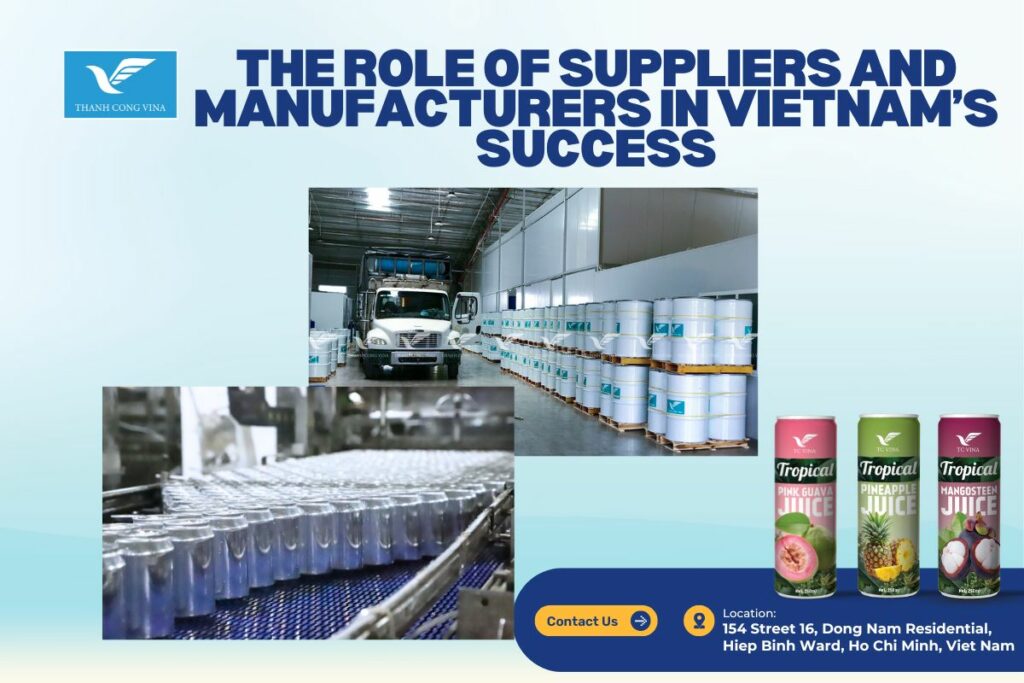
The backbone of the fruit juice Vietnam industry is its network of suppliers and manufacturers. These companies play a critical role in transforming raw agricultural products into high-value goods that can compete on the global stage.
Vietnamese manufacturers vary in size and specialization, but many share a commitment to quality and efficiency. Large-scale producers operate modern factories capable of handling significant volumes, while smaller, specialized companies often focus on niche markets or customized solutions. This diversity allows buyers to find partners that align with their specific needs, whether they require bulk supply or tailored product development.
A defining characteristic of successful suppliers in Vietnam is their integration across the supply chain. Strong relationships with farmers ensure consistent access to high-quality raw materials, while in-house processing capabilities allow for greater control over production. This integration reduces the risk of supply disruptions and enhances overall reliability.
Equally important is the growing emphasis on research and development. Many manufacturers have established R&D teams dedicated to improving formulations, experimenting with new flavors, and responding to market trends. This proactive approach enables Vietnamese suppliers to move beyond simple production and become strategic partners in innovation.
For international buyers, working with a Vietnamese manufacturer often means gaining access to both production capacity and creative expertise. This combination is particularly valuable in an industry where differentiation is essential for success.
4. OEM and Private Label: Unlocking Growth Opportunities
One of the most significant advantages of sourcing fruit juice Vietnam lies in the availability of OEM and private label services. These models have transformed the way beverage brands approach production, allowing them to focus on marketing and distribution while outsourcing manufacturing to specialized partners.
OEM services in Vietnam typically cover the entire production process, from concept development to final packaging. Clients can collaborate with manufacturers to create unique formulations, adjust sweetness levels, and design products that align with their brand identity. This level of customization is particularly important in a market where consumers expect variety and innovation.
Private label production offers a complementary opportunity, especially for retailers and distributors seeking to build their own brands. By leveraging Vietnam’s manufacturing capabilities, businesses can launch exclusive product lines without significant upfront investment. This approach not only reduces risk but also allows for greater control over pricing and positioning.
The flexibility of Vietnamese OEM providers is another key advantage. Unlike some markets where minimum order quantities can be restrictive, many suppliers in Vietnam are willing to accommodate smaller initial orders, making it easier for new brands to enter the market. At the same time, they are equipped to scale production as demand grows, ensuring long-term viability.
In a competitive global market, speed is often a decisive factor. OEM partnerships in Vietnam enable businesses to bring products to market more quickly, reducing development timelines and capturing opportunities before competitors can respond.
5. Export Capabilities and Global Market Access
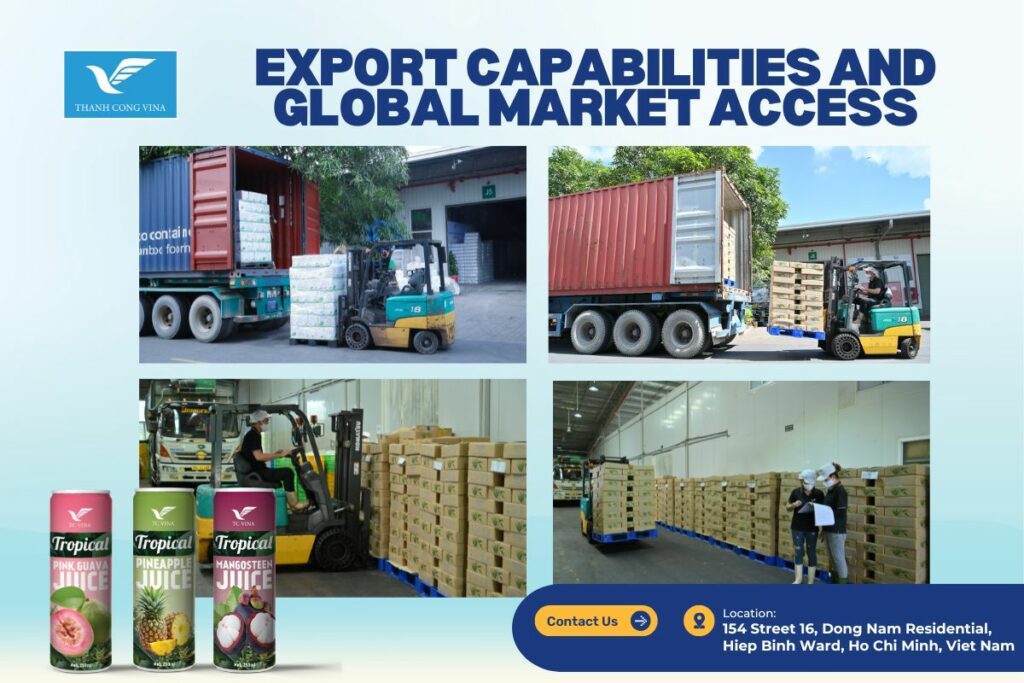
Vietnam’s strength as a fruit juice supplier is closely tied to its export capabilities. The country has established itself as a reliable trading partner, with a well-developed logistics infrastructure that supports efficient international distribution.
Major seaports, modern transportation networks, and streamlined customs procedures facilitate the movement of goods across borders. In addition, Vietnam’s participation in multiple free trade agreements has reduced tariffs and simplified market access for exporters. These advantages make sourcing fruit juice Vietnam both cost-effective and practical for global buyers.
The export process is carefully managed to ensure product quality and compliance with international regulations. From raw material selection to final shipment, each stage is subject to rigorous oversight. Packaging solutions are tailored to different markets, with options ranging from bulk aseptic containers for industrial use to retail-ready bottles and cartons.
Vietnamese suppliers have also developed a strong understanding of market-specific requirements. Whether exporting to the United States, Europe, or the Middle East, they are able to adapt products and documentation to meet local standards. This expertise reduces the complexity of international trade and enhances the overall customer experience.
6. Quality Standards and Certifications: Building Trust
In the global food industry, trust is built on quality and safety. Vietnamese fruit juice manufacturers recognize this and have invested heavily in obtaining internationally recognized certifications. Standards such as HACCP, ISO 22000, HALAL, and FDA registration are now widely adopted across the industry.
These certifications are not merely formal requirements; they reflect a commitment to maintaining high standards throughout the production process. From the careful selection of raw materials to the final inspection of finished products, every step is designed to ensure consistency and safety.
Quality control systems play a central role in this effort. Manufacturers implement strict protocols for monitoring production, conducting laboratory tests, and verifying compliance with regulatory standards. This attention to detail is essential for meeting the expectations of global markets and building long-term partnerships.
For buyers, the presence of these certifications provides assurance that Vietnamese suppliers are capable of delivering products that meet international requirements. It also simplifies the process of entering regulated markets, where compliance is a prerequisite for success.
7. Why Vietnam Stands Out as a Fruit Juice Supplier
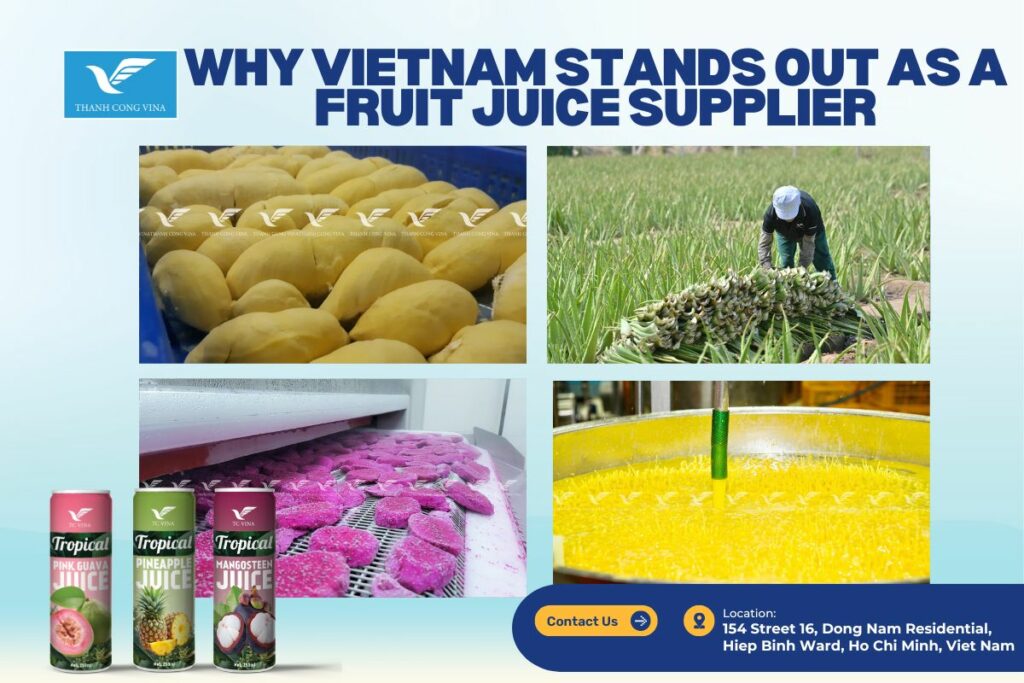
Vietnam’s appeal as a fruit juice supplier lies in its ability to combine multiple advantages into a single offering. The country’s natural resources provide a strong foundation, while its manufacturing capabilities ensure that raw materials are transformed into high-quality products. At the same time, competitive pricing allows businesses to optimize their cost structures without sacrificing quality.
Another important factor is flexibility. Vietnamese suppliers are known for their willingness to adapt to client needs, whether that involves customizing formulations, adjusting production volumes, or exploring new product concepts. This collaborative approach is particularly valuable in a dynamic industry where consumer preferences are constantly evolving.
Compared to other sourcing destinations, Vietnam offers a unique balance. It is not simply a low-cost alternative but a comprehensive solution that integrates quality, innovation, and scalability. For businesses seeking a reliable partner, this combination is difficult to ignore.
8. Choosing the Right Partner in Vietnam
Selecting the right supplier is a critical step in building a successful business relationship. While Vietnam offers many options, not all manufacturers are equally suited to every project. Careful evaluation is essential to ensure alignment with your goals and expectations.
A strong partner will demonstrate not only technical capability but also a commitment to communication and transparency. They will be willing to share information about their processes, provide samples for testing, and collaborate on product development. Equally important is their ability to meet deadlines and maintain consistent quality over time.
Building a long-term partnership requires trust and mutual understanding. By choosing a supplier that values these principles, businesses can create a stable foundation for growth and innovation.
9. Market Trends and Future Potential
The future of fruit juice Vietnam is closely linked to global trends in consumption and sustainability. As consumers become more health-conscious, demand for natural and functional beverages is expected to continue rising. At the same time, environmental concerns are driving interest in sustainable sourcing and eco-friendly packaging.
Vietnam is well-positioned to respond to these trends. Its agricultural base supports the production of organic and natural products, while ongoing investment in technology enables manufacturers to improve efficiency and reduce environmental impact. This adaptability will be a key factor in maintaining competitiveness in the years ahead.
For businesses, these trends represent both a challenge and an opportunity. By partnering with forward-thinking suppliers in Vietnam, they can stay ahead of market changes and deliver products that meet evolving consumer expectations.
Conclusion
