Products Knowledge
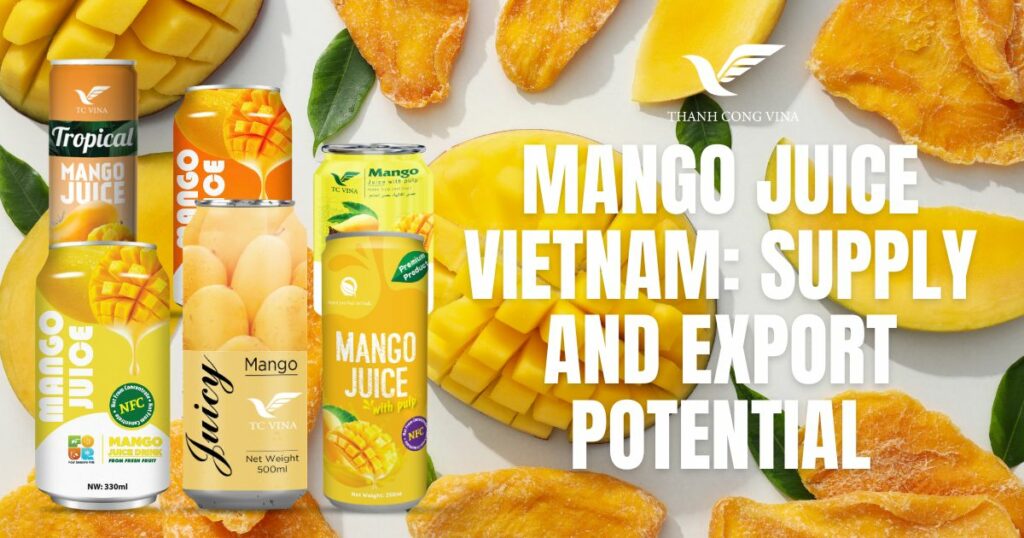
Mango Juice Vietnam: Supply and Export Potential
Jun
Mango Juice Vietnam is gaining strong attention in the global beverage market as international demand for tropical fruit-based drinks continues to rise. Mango, known as the “king of fruits,” is widely consumed across Asia, Europe, the Middle East, and North America due to its rich flavor, nutritional value, and versatility in beverage applications. Vietnam, with its favorable climate and abundant agricultural resources, has become an important supplier of mango juice products for global importers and beverage manufacturers.
In recent years, the shift toward healthier lifestyles and natural beverages has significantly boosted demand for fruit juices and concentrates. Among them, mango juice stands out due to its balance of sweetness, aroma, and functional nutrition. As a result, Mango Juice Vietnam has emerged as a key export product within the country’s rapidly growing food and beverage industry.
This article explores Vietnam’s mango juice supply chain, production advantages, export potential, and future opportunities in the global market. It also highlights why Vietnam is becoming a preferred sourcing destination for international beverage brands.
1. Mango Juice Vietnam in the Global Beverage Industry
Rising Demand for Tropical Fruit Beverages
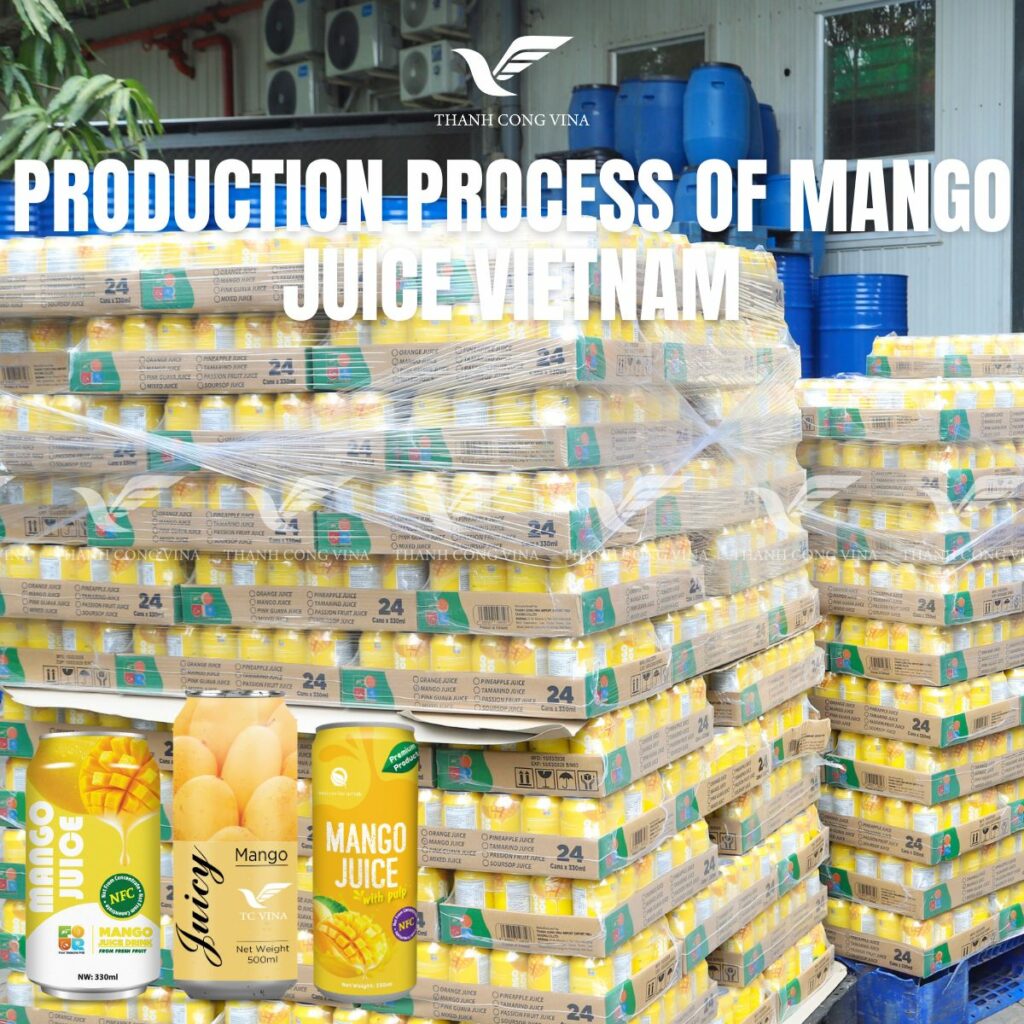
The global beverage industry is experiencing a strong shift toward tropical and natural fruit flavors. Consumers are increasingly seeking alternatives to carbonated drinks, artificial beverages, and high-sugar products. This trend has positioned mango-based beverages as one of the fastest-growing categories worldwide.
Mango Juice Vietnam benefits significantly from this trend due to Vietnam’s ability to produce high-quality mango varieties such as Cat Chu, Hoa Loc, and Keo mangoes. These varieties are known for their natural sweetness, vibrant color, and aromatic flavor, making them ideal for juice production.
The demand is not limited to fresh juice alone but extends to concentrates, purees, and ready-to-drink beverages. This diversification increases export opportunities for Vietnamese suppliers.
As health awareness grows globally, mango juice continues to gain traction as a nutritious and refreshing beverage option.
Vietnam’s Position in the Export Market
Vietnam has established itself as a competitive exporter of fruit-based products in the global supply chain. The country’s agricultural sector has undergone modernization, improving both quality standards and production capacity.
Mango Juice Vietnam plays a crucial role in this transformation, contributing to Vietnam’s increasing presence in international beverage markets.
Exporters benefit from favorable trade agreements, competitive production costs, and a strong agricultural base. These advantages allow Vietnam to compete with other major producers in Asia and Latin America.
The country’s export potential continues to expand as global demand rises.
2. Mango Cultivation and Raw Material Supply Chain
Vietnam’s Agricultural Advantage
Vietnam’s tropical climate provides ideal conditions for mango cultivation throughout the year. Regions such as the Mekong Delta and Central Highlands are major production areas that supply both domestic and international markets.
The availability of fresh mangoes directly supports the growth of Mango Juice Vietnam production. High fruit quality ensures that juice manufacturers can maintain consistent flavor profiles and nutritional value.
Farmers are increasingly adopting modern agricultural practices, including improved irrigation systems, pest control methods, and post-harvest handling techniques.
These improvements enhance both yield and export quality.
Strengthening Farmer-Industry Collaboration
One of the key factors supporting the success of Mango Juice Vietnam is the growing collaboration between farmers and processing companies.
Contract farming systems ensure stable raw material supply and allow manufacturers to maintain consistent production schedules. This reduces risks related to seasonal fluctuations and supply shortages.
In addition, training programs help farmers meet international quality standards required for export markets.
Stronger collaboration enhances supply chain reliability and efficiency.
3. Production Process of Mango Juice Vietnam
From Fresh Mango to Finished Product
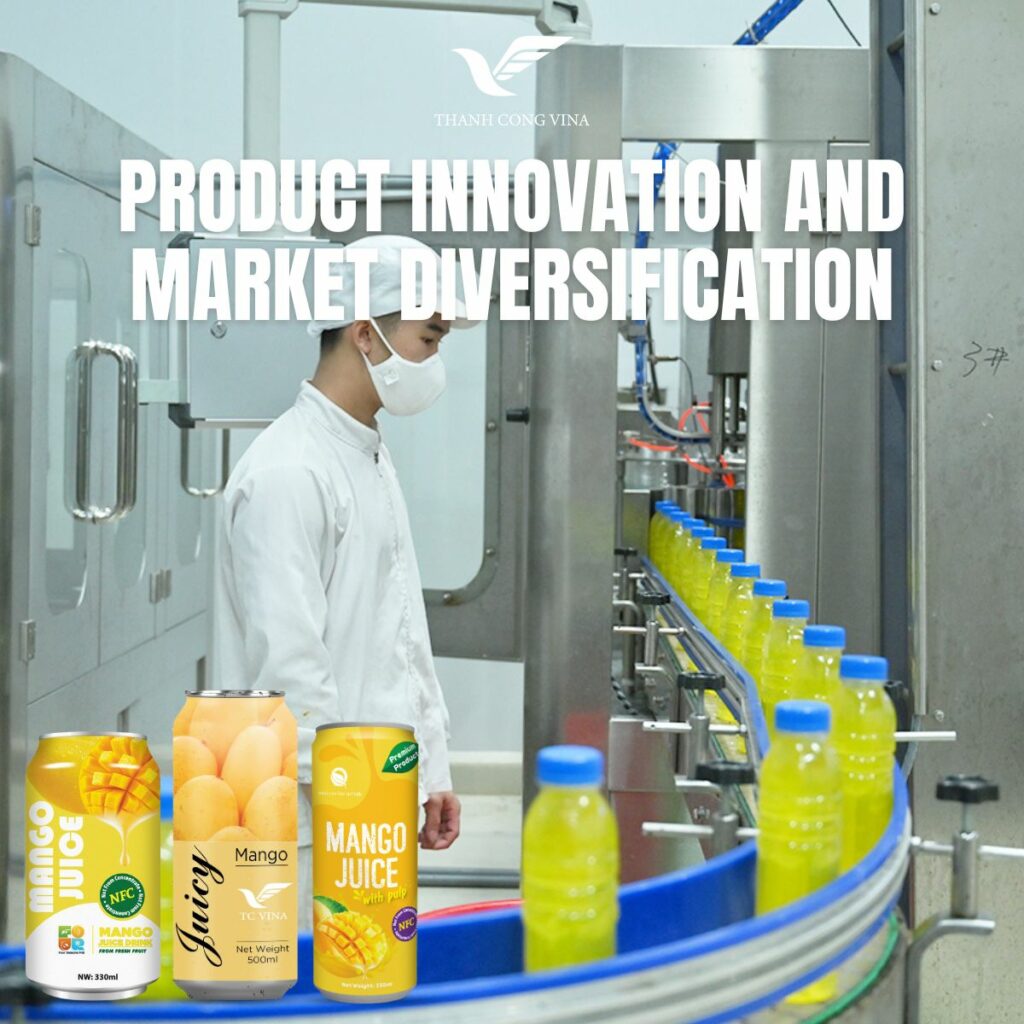
The production of Mango Juice Vietnam involves several carefully controlled stages designed to preserve natural flavor and nutritional content.
The process typically begins with selection and washing of fresh mangoes, followed by peeling, pulping, and enzymatic treatment. The juice is then extracted, filtered, and processed using pasteurization or concentration methods depending on the final product type.
Modern processing facilities use advanced technology to ensure hygiene, consistency, and quality control throughout production.
This structured process helps maintain product stability during storage and transportation.
Quality Control and Safety Standards
Food safety is a critical factor in beverage manufacturing. Vietnamese producers implement strict quality control systems to ensure compliance with international standards such as HACCP, ISO, GMP, and FDA regulations.
For Mango Juice Vietnam, testing is conducted at multiple stages, including raw material inspection, production monitoring, and final product evaluation.
These measures guarantee that the final product meets export requirements and customer expectations.
Quality assurance strengthens trust among global buyers.
4. Export Opportunities for Mango Juice Vietnam
Expanding Global Market Reach
The export potential of Mango Juice Vietnam continues to grow as international demand for tropical beverages increases.
Major markets include North America, Europe, the Middle East, and Asia-Pacific regions. Each market presents unique preferences, ranging from pure juice products to blended beverages and concentrates.
Vietnamese exporters are increasingly adapting their offerings to meet diverse market requirements.
This flexibility enhances competitiveness in the global market.
Competitive Pricing Advantages
One of Vietnam’s strongest advantages in the global beverage industry is cost efficiency.
The production of Mango Juice Vietnam benefits from relatively low labor costs, efficient agricultural output, and improving manufacturing infrastructure.
These factors allow Vietnamese suppliers to offer competitive pricing without compromising quality.
Price competitiveness makes Vietnam an attractive sourcing destination for international buyers.
5. Product Innovation and Market Diversification
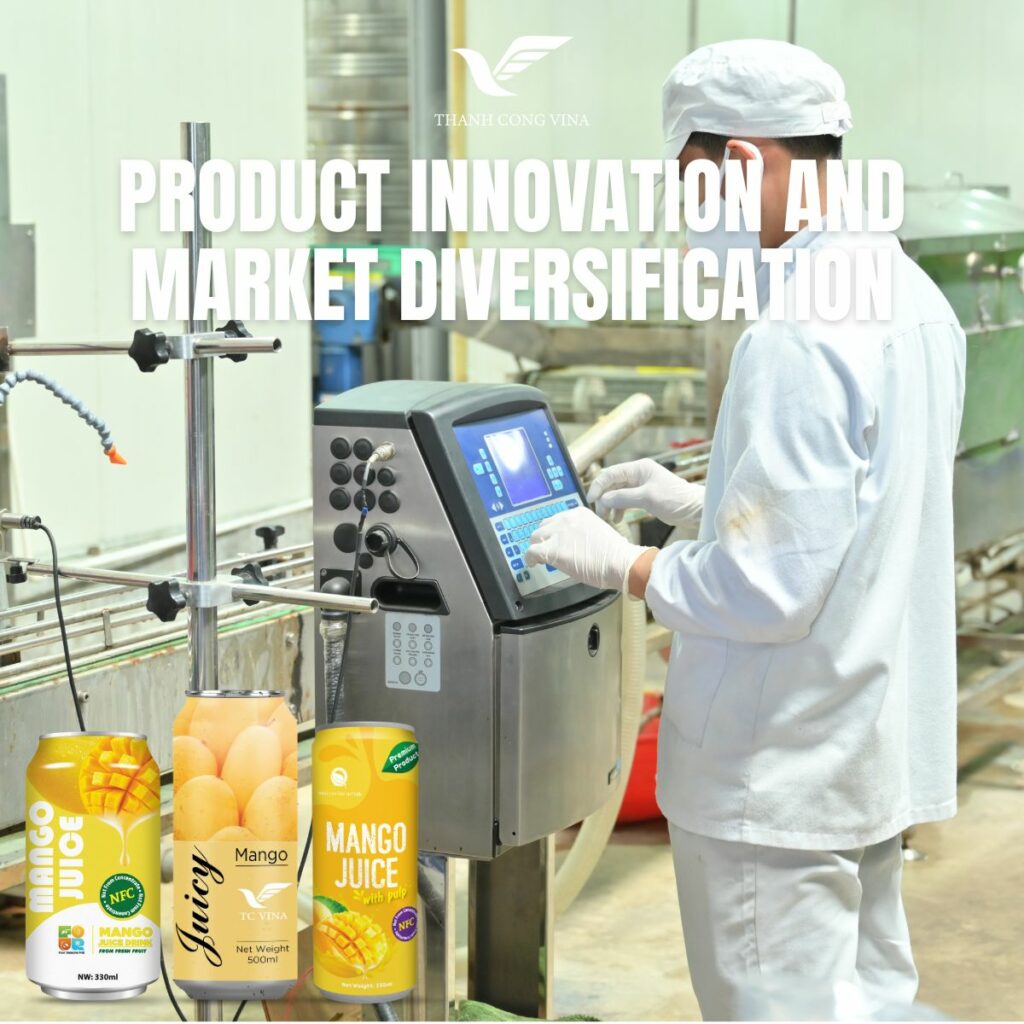
Development of Mango-Based Products
Innovation plays a crucial role in expanding the market potential of Mango Juice Vietnam.
Manufacturers are developing a wide range of products, including mango juice concentrates, NFC (Not From Concentrate) juice, smoothies, and mixed tropical beverages.
These innovations help brands target different consumer segments and distribution channels.
Product diversification enhances market penetration.
Adaptation to Consumer Trends
Global consumers are increasingly interested in functional beverages, organic products, and low-sugar options.
Producers of Mango Juice Vietnam are responding by adjusting formulations and exploring natural sweetening alternatives.
This adaptability ensures continued relevance in a rapidly changing market.
Innovation supports long-term industry growth.
6. Sustainability in Mango Juice Production
Environmentally Responsible Practices
Sustainability has become an important focus within the beverage industry.
Producers of Mango Juice Vietnam are adopting eco-friendly practices such as waste reduction, energy-efficient processing, and sustainable packaging solutions.
These initiatives reduce environmental impact and align with global sustainability goals.
Sustainable production enhances brand reputation in international markets.
Reducing Agricultural Waste
Mango processing generates by-products such as peels and pulp residues. Many manufacturers are now exploring ways to reuse or recycle these materials.
This approach supports circular economy principles and improves resource efficiency.
Sustainability is becoming a key competitive factor in global trade.
7. Challenges in Exporting Mango Juice Vietnam
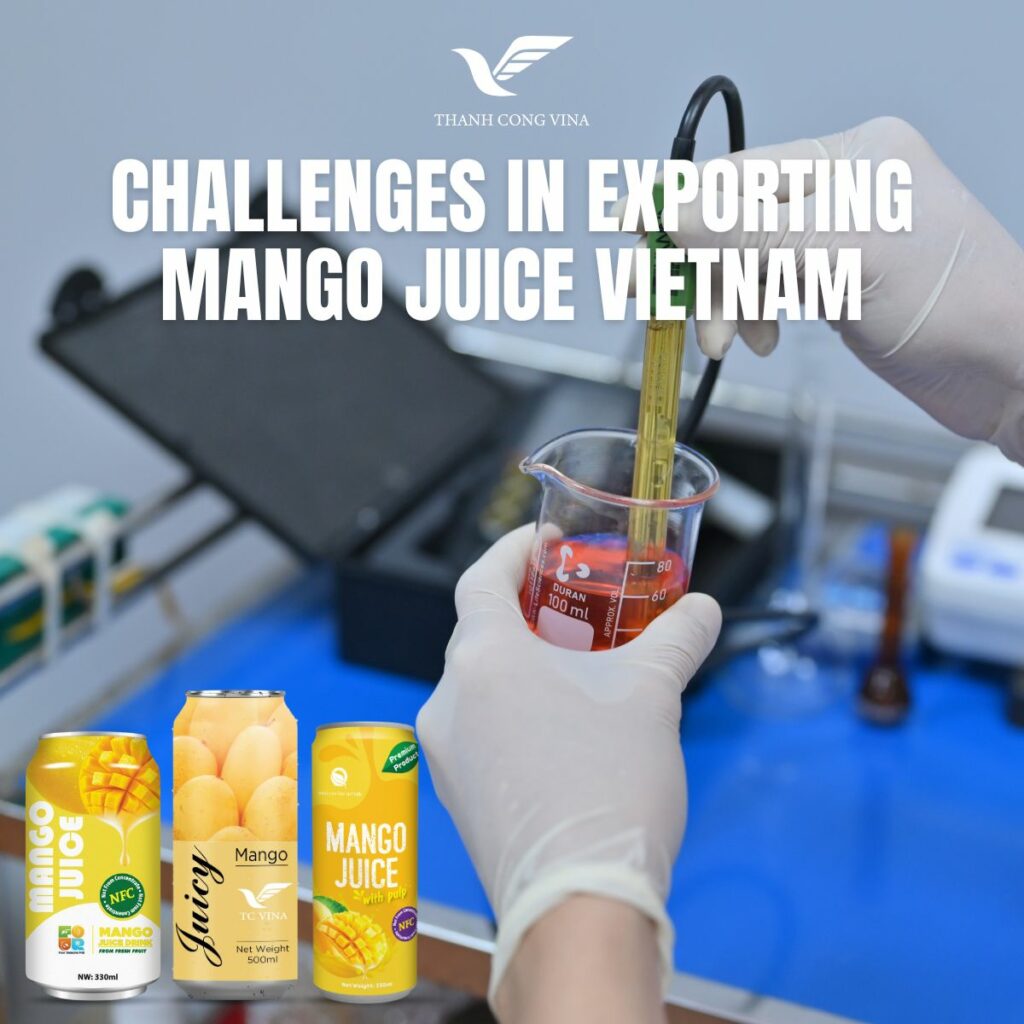
Regulatory and Compliance Barriers
Despite strong growth potential, exporting Mango Juice Vietnam involves several challenges.
Different countries have varying food safety regulations, labeling requirements, and import standards.
Exporters must invest in compliance systems and certification processes to access global markets.
Regulatory complexity remains a key operational challenge.
Supply Chain and Seasonal Variability
Mango production is influenced by seasonal changes, weather conditions, and agricultural factors.
Maintaining consistent supply for Mango Juice Vietnam production can be challenging during off-season periods.
Companies must develop storage solutions and supply chain strategies to ensure stability.
Effective planning is essential for long-term success.
8. Future Outlook of Mango Juice Vietnam
Strong Growth Potential
The future of Mango Juice Vietnam looks highly promising as global demand for tropical beverages continues to rise.
Health-conscious consumers and expanding middle-class populations are driving increased consumption of natural fruit juices.
Vietnam is well-positioned to benefit from these trends due to its agricultural strengths and export capabilities.
Growth opportunities are expected to expand further in the coming years.
Technological Advancement in Production
Advancements in food processing technology will further improve efficiency and product quality.
Automation, advanced filtration systems, and improved packaging solutions will enhance the competitiveness of Mango Juice Vietnam in global markets.
Technology will play a key role in shaping the future of the industry.
Conclusion
Mango Juice Vietnam represents a growing opportunity within the global beverage industry, driven by increasing demand for tropical fruit beverages, Vietnam’s strong agricultural base, and continuous improvements in manufacturing capabilities. From cultivation and processing to export and innovation, Vietnam has developed a competitive supply chain that supports long-term growth in international markets.
As global consumers continue to prioritize healthy and natural beverages, the demand for mango juice products is expected to rise significantly. Vietnam’s ability to offer high-quality, competitively priced, and diverse mango-based products strengthens its position as a leading supplier in the industry.
Thanh Cong Vina is committed to delivering premium-quality mango juice products to global partners through advanced production systems, strict quality control, and sustainable manufacturing practices. With strong export experience and a customer-focused approach, Thanh Cong Vina continues to support international beverage brands seeking reliable sourcing from Vietnam. Businesses looking for high-quality Mango Juice Vietnam solutions can confidently partner with Thanh Cong Vina for long-term success.
