
Products Knowledge
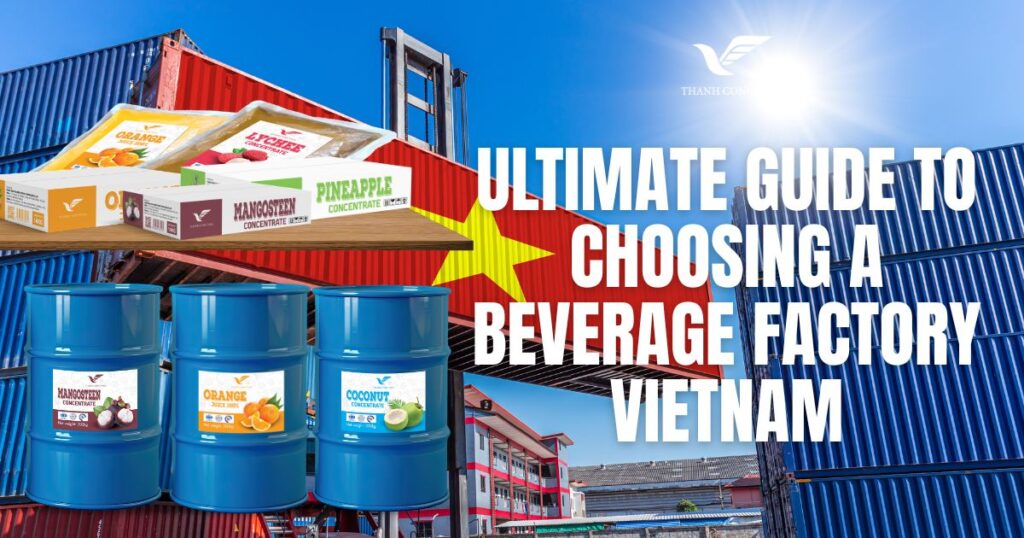
Ultimate Guide to Choosing a Beverage Factory Vietnam
Aug
A reliable Beverage Factory Vietnam can provide much more than production capacity. The right partner should support product development, customized formulation, packaging, quality management, production planning, private label manufacturing, and export logistics. For importers, distributors, retailers, startups, and established beverage companies, selecting the right factory can directly influence product quality, cost efficiency, market entry speed, and long-term supply stability.
Vietnam has become an attractive destination for beverage sourcing because of its diverse agricultural resources, growing manufacturing capabilities, skilled workforce, and strategic position in Southeast Asia. However, not every factory offers the same level of technology, flexibility, quality control, or export support. Buyers therefore need a structured approach when comparing potential suppliers.
This ultimate guide explains the key factors international buyers should consider when choosing a Beverage Factory Vietnam, from manufacturing capabilities and product development to certifications, MOQ, packaging, pricing, lead times, and global logistics.
1. Why Choose a Beverage Factory Vietnam for International Sourcing?
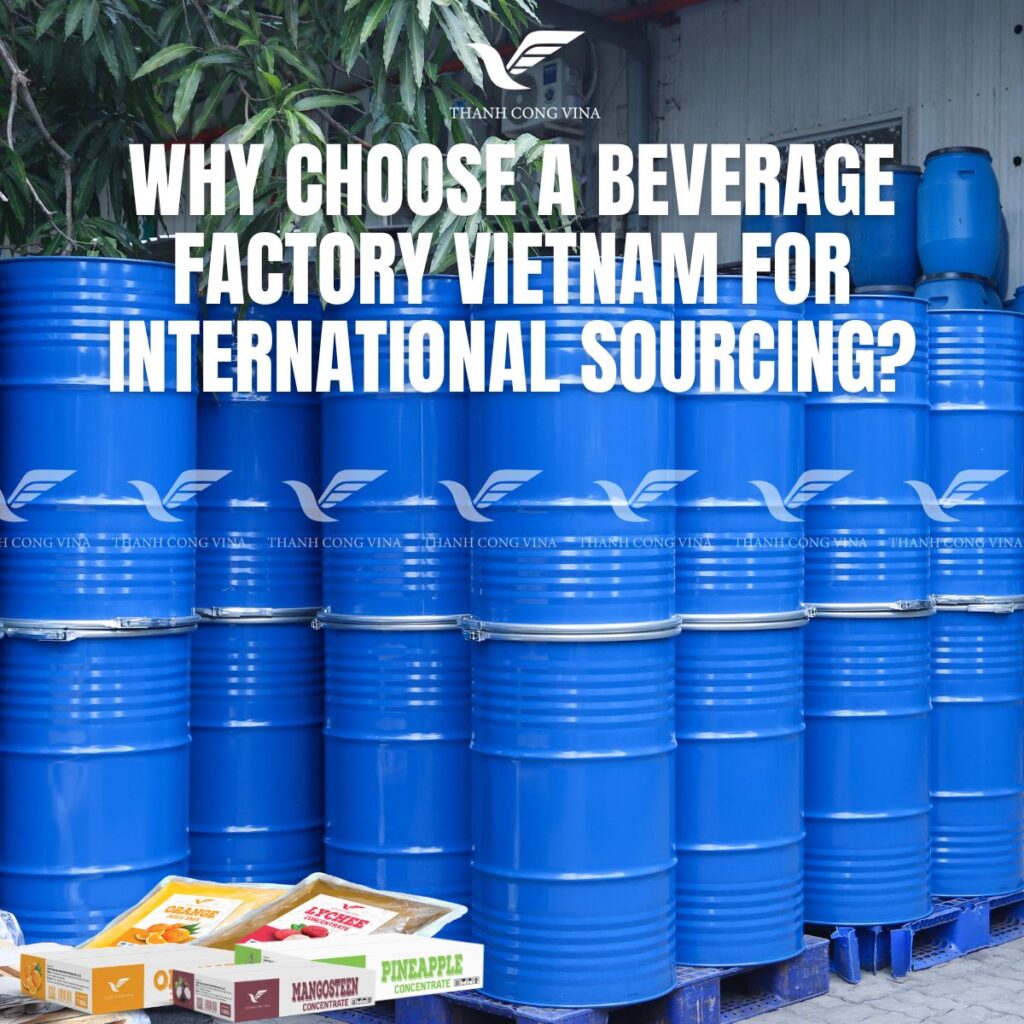
Vietnam has developed into an increasingly important manufacturing destination for food and beverage companies seeking competitive and flexible production solutions.
Access to Tropical Agricultural Resources
One of Vietnam’s strongest advantages is its agricultural diversity. The country produces a wide range of fruits and plant-based ingredients that can be used in beverage manufacturing.
Depending on the product concept, manufacturers can work with ingredients such as:
- Mango
- Passion fruit
- Pineapple
- Orange
- Pink guava
- Peach
- Lychee
- Soursop
- Dragon fruit
- Coconut
- Aloe vera
This access to tropical ingredients creates opportunities for international brands to develop distinctive beverages with authentic fruit profiles.
For example, an importer may develop a passion fruit beverage for a tropical product line or combine several fruits to create a unique flavor concept. Local sourcing can also simplify the supply chain for certain ingredients and provide opportunities for competitive product development.
Competitive Manufacturing Capabilities
Vietnam offers an attractive combination of production resources, skilled workers, supply-chain infrastructure, and manufacturing experience.
For international buyers, this can create opportunities to balance production cost with product customization and quality requirements.
However, price should never be the only factor when evaluating a factory. A low quotation may not represent the best overall value if it comes with inconsistent quality, poor communication, limited customization, or unreliable delivery.
The best manufacturing partner provides a balance between cost, quality, technical capability, service, and scalability.
Strategic Position in Southeast Asia
Vietnam’s location provides access to regional and international trade routes.
For companies seeking to diversify their sourcing network, working with a Vietnamese manufacturer can create an alternative supply base for products intended for Asia and other global destinations.
A factory with established export experience can also help international customers manage documentation, packaging, container loading, and shipment preparation more efficiently.
2. How to Evaluate a Beverage Factory Vietnam
Choosing a factory requires more than reviewing a product catalog. International buyers should conduct a comprehensive evaluation of the manufacturer’s technical, commercial, and operational capabilities.
Manufacturing Capacity and Production Lines
Start by understanding what the factory can actually manufacture.
Important questions include:
- What beverage categories can the factory produce?
- What production lines are available?
- What packaging formats are supported?
- What is the approximate production capacity?
- Can the factory handle both initial and larger-scale orders?
- Does it have experience with export production?
A factory with diverse capabilities can provide greater flexibility when a brand expands its product portfolio.
A buyer may initially need only one beverage SKU but later require additional flavors, packaging formats, or larger quantities. Choosing a scalable manufacturer from the beginning can prevent the need to change suppliers later.
R&D and Product Development Capabilities
A strong R&D department is particularly important for companies developing customized beverages.
The manufacturer should be capable of supporting:
- Formula development
- Flavor customization
- Ingredient selection
- Sample production
- Sensory evaluation
- Formula adjustment
- Technical specifications
An experienced R&D team can help turn a product concept into a commercially viable beverage.
For example, a buyer may know that they want a tropical fruit drink but may not have a finalized formula. The manufacturer can help determine appropriate fruit content, sweetness, acidity, flavor intensity, and other technical characteristics.
Production Flexibility
A reliable factory should be able to adapt to different customer requirements.
Flexibility may include:
- Different beverage categories
- Multiple package sizes
- Different formulations
- Private label production
- OEM manufacturing
- ODM development
- Different order volumes
- Multiple export destinations
This is particularly important for international brands that want to test new products before committing to large-scale production.
3. Product Categories and Customization Options
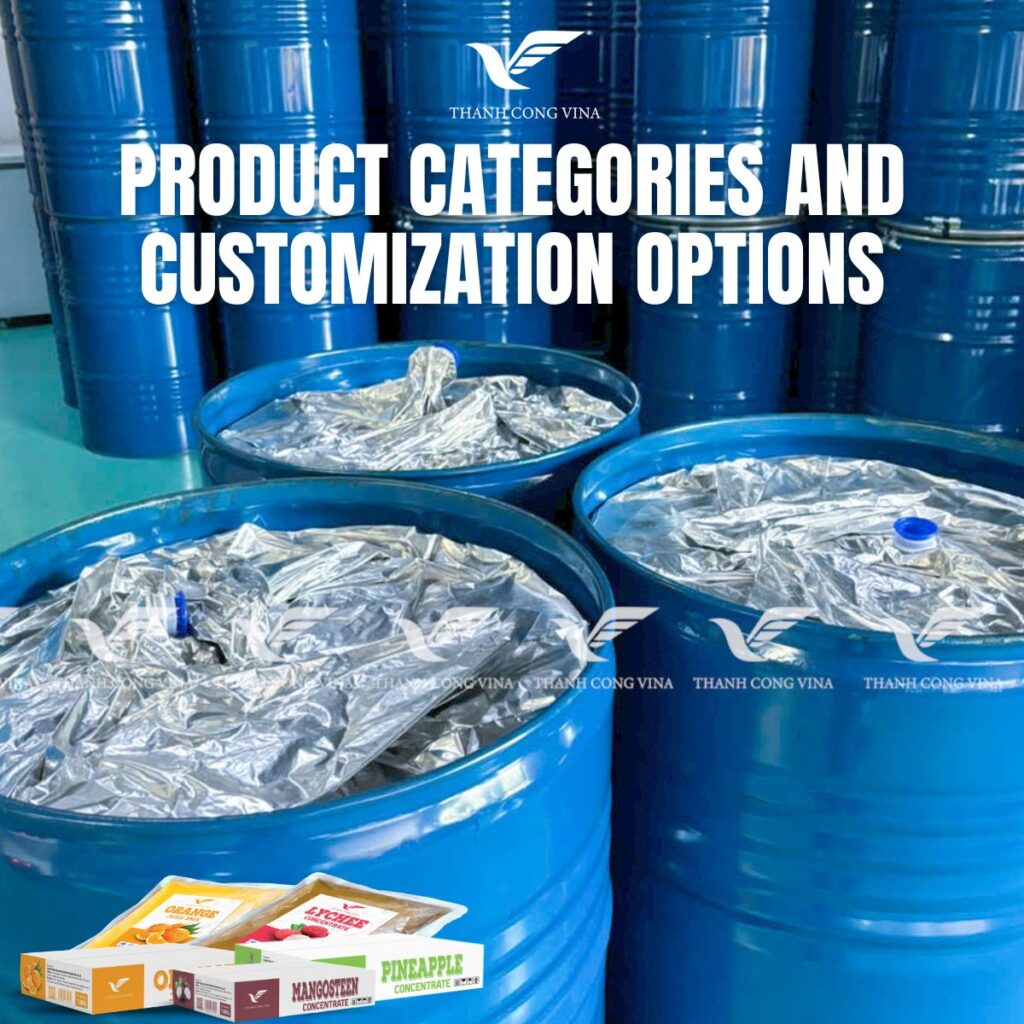
A capable Beverage Factory Vietnam should ideally offer a diverse product portfolio. This gives international customers the opportunity to develop multiple products through one manufacturing relationship.
Fruit Juice and Tropical Fruit Drinks
Fruit-based beverages are an important category for Vietnamese beverage manufacturers.
Potential products include:
- Mango juice drinks
- Passion fruit beverages
- Pineapple juice drinks
- Pink guava beverages
- Orange drinks
- Peach beverages
- Soursop drinks
- Mixed fruit beverages
These products can be customized based on fruit content, sweetness, acidity, aroma, flavor intensity, and target market requirements.
Coconut Water and Aloe Vera Beverages
Coconut water is another attractive category for international brands seeking refreshing, tropical beverage concepts.
Aloe vera drinks can provide additional differentiation through texture and flavor combinations. Depending on the product concept, manufacturers can develop aloe vera beverages with fruit flavors such as mango, lychee, peach, or mixed fruit.
Nata de coco can also be incorporated into selected beverages to create a distinctive texture and drinking experience.
Ready-to-Drink Coffee
Vietnam’s coffee industry creates opportunities for brands seeking private label RTD coffee.
Potential products include:
- Black coffee
- Milk coffee
- Latte
- Cappuccino
- Flavored coffee
These products can be developed for convenience stores, supermarkets, vending channels, foodservice, hospitality, and international distributors.
OEM, ODM, and Private Label Solutions
Before choosing a factory, buyers should determine the type of manufacturing relationship they require.
OEM manufacturing is suitable when the customer has established specifications or a formula.
ODM manufacturing provides more support from the manufacturer’s R&D team.
Private label production allows a company to sell finished beverages under its own brand.
A factory capable of handling all three models can provide greater flexibility throughout the product lifecycle.
4. Quality Control and Certifications
Quality management should be one of the most important factors when evaluating a manufacturing partner.
A beverage manufacturer is not simply producing a product; it is helping protect the brand reputation of its customer.
Raw Material Control
Quality management begins with incoming raw materials.
Depending on the ingredient, the manufacturer may evaluate:
- Appearance
- Color
- Aroma
- Taste
- Physical characteristics
- Microbiological parameters
- Supplier documentation
Consistent raw material specifications help maintain consistency across production batches.
This is particularly important for fruit-based beverages because natural agricultural ingredients can vary according to season, origin, and processing conditions.
Production Process Control
A professional factory should have procedures for monitoring critical production stages.
These may include:
- Ingredient measurement
- Mixing
- Processing
- Temperature management
- Filling
- Sealing
- Packaging
- Finished-product inspection
Consistent process control reduces variation and helps ensure that finished beverages meet approved specifications.
Certifications and Food Safety Standards
International buyers may request certifications depending on the product and destination market.
Relevant systems and certifications can include:
- HACCP
- ISO
- HALAL
- FDA-related requirements
Buyers should not simply ask whether a factory has certifications. They should verify whether the available certifications are relevant to their specific product and export destination.
A manufacturer should also be able to provide appropriate product specifications and quality documentation when required.
5. Packaging, MOQ, Pricing, and Production Lead Time
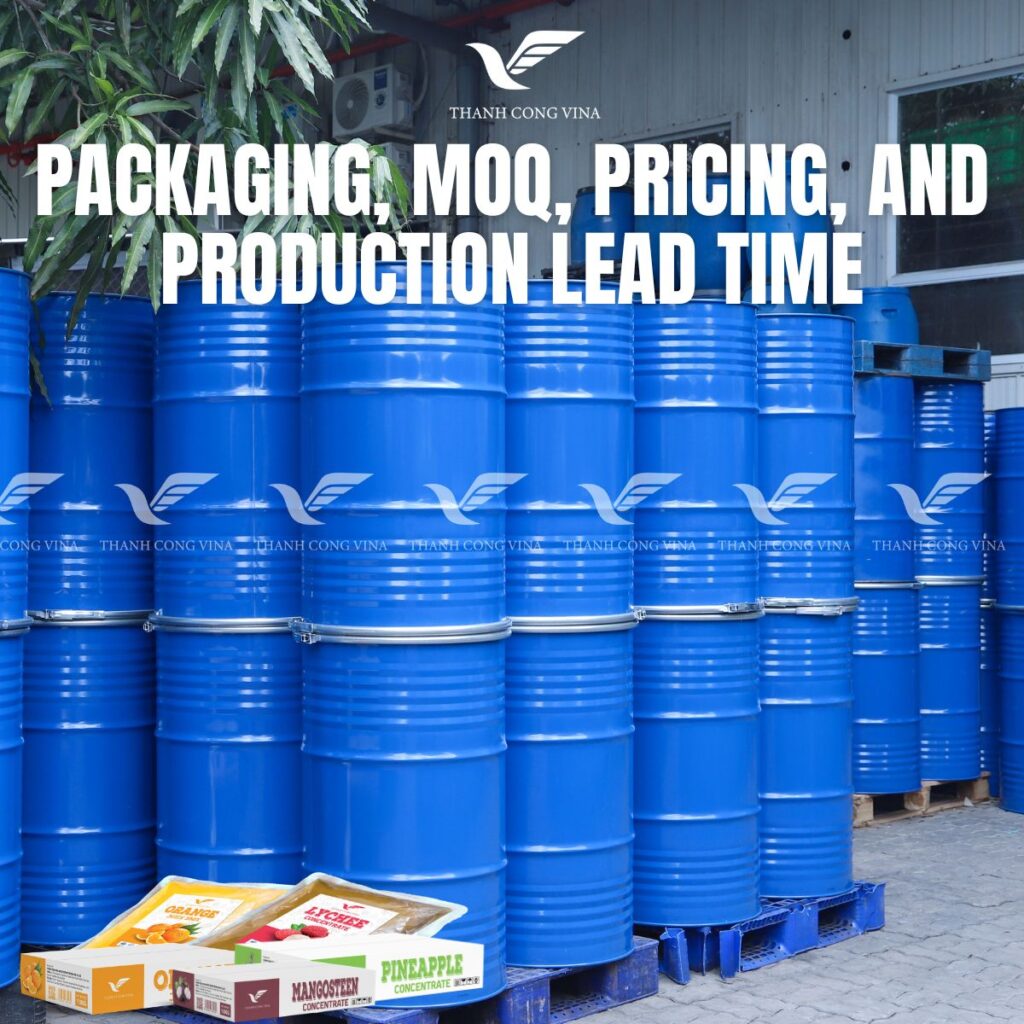
Commercial terms are critical when choosing a beverage supplier. A factory may offer excellent products but still be unsuitable if its MOQ, pricing structure, or lead time does not fit the buyer’s business model.
Packaging Options
Packaging affects product protection, brand identity, transportation, and retail presentation.
Depending on the product and production line, beverage packaging may include:
- Aluminum cans
- Slim cans
- PET bottles
- Glass bottles
- Cartons
Common beverage sizes include 250ml, 320ml, 330ml, and 500ml.
The right packaging format depends on the target market, consumer profile, retail channel, product positioning, and logistics strategy.
Private Label Packaging
For private label products, buyers can typically customize:
- Brand logo
- Product name
- Label artwork
- Ingredients
- Nutrition information
- Barcode
- Product claims
- Carton design
- Packaging language
The packaging should be attractive while also meeting the technical and regulatory requirements of the destination market.
Minimum Order Quantity
MOQ can vary depending on:
- Beverage type
- Packaging format
- Formula
- Production line
- Packaging materials
- Customization level
- Order quantity
For startups and businesses testing new markets, a flexible MOQ can reduce inventory risk.
However, buyers should also consider whether the manufacturer can scale production when demand increases.
Pricing and Total Cost
Factory pricing is only one part of the total cost.
International buyers should consider:
- Ingredients
- Packaging
- Manufacturing
- Cartons
- Documentation
- Transportation
- Freight
- Import duties
- Warehousing
- Distribution
A supplier offering a slightly higher factory price may still provide better overall value if it offers superior quality, lower defect rates, reliable lead times, and stronger export support.
Production Lead Time
Lead time can depend on:
- Formula development
- Sample approval
- Packaging preparation
- Raw material availability
- Production scheduling
- Order volume
- Quality inspection
- Shipment preparation
A professional manufacturer should provide realistic timelines rather than unrealistic promises.
Clear lead times allow buyers to plan product launches, marketing campaigns, inventory, and retail commitments.
6. Export Markets, Logistics, and Compliance
International beverage sourcing requires strong export capabilities.
Export Documentation
Depending on the destination, buyers may require documents such as:
- Commercial Invoice
- Packing List
- Certificate of Origin
- Certificate of Analysis
- Product Specification
- Food Safety Documentation
- Shipping Documents
The exact requirements vary by market and product category.
An experienced export manufacturer can help coordinate these documents with the buyer and logistics provider.
Market-Specific Requirements
Different countries can have different requirements regarding:
- Ingredients
- Food additives
- Nutrition labeling
- Product claims
- Packaging language
- Barcode
- Shelf-life information
- Food safety documentation
These requirements should be discussed before finalizing the product.
A manufacturer that has experience serving international markets can be more effective at identifying potential documentation and production considerations early in the process.
Export-Ready Packaging
Beverages can travel long distances before reaching their final destination.
Export packaging should therefore be suitable for:
- Container loading
- Stacking
- Handling
- Vibration
- Warehouse storage
- Long-distance transportation
Proper carton configuration and loading procedures can help minimize transportation-related damage.
7. How to Choose a Long-Term Beverage Manufacturing Partner
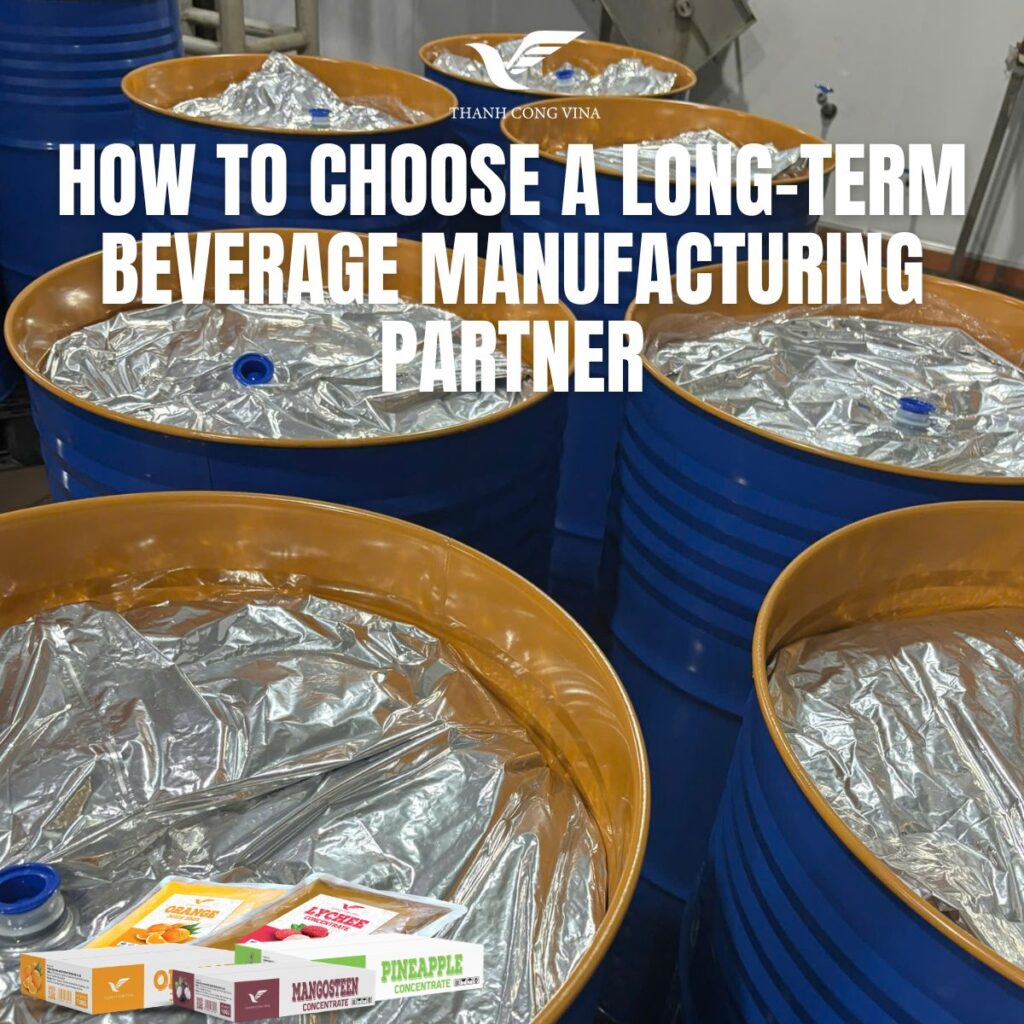
The right supplier should be evaluated as a potential long-term business partner rather than simply a source of low-cost products.
Review Communication and Responsiveness
International manufacturing requires clear communication across different time zones, languages, and business cultures.
A reliable supplier should communicate clearly about:
- Product specifications
- Sampling
- MOQ
- Pricing
- Production schedules
- Quality requirements
- Packaging
- Documentation
- Shipment timelines
Fast and accurate communication can prevent misunderstandings and costly production errors.
Assess Scalability
A small initial order can become a much larger commercial opportunity.
The manufacturer should be capable of supporting growth through:
- Increased production volumes
- Additional flavors
- New packaging sizes
- New product categories
- New export markets
A scalable supplier provides continuity as the brand develops.
Evaluate Long-Term Consistency
The quality of the first shipment is important, but consistency across future shipments is even more important.
Buyers should assess whether the manufacturer has systematic procedures for maintaining:
- Formula consistency
- Ingredient specifications
- Packaging quality
- Production parameters
- Finished-product standards
Long-term consistency helps brands maintain customer trust and avoid unnecessary quality complaints.
8. Why Choose Thanh Cong Vina?
For international businesses searching for a Beverage Factory Vietnam, Thanh Cong Vina provides OEM, ODM, and private label beverage manufacturing solutions for global B2B customers.
Integrated Beverage Manufacturing
Thanh Cong Vina can support different stages of the beverage development and manufacturing process, including:
- Product consultation
- Formula development
- Sample production
- Commercial manufacturing
- Packaging
- Quality control
- Export preparation
This integrated approach allows customers to coordinate multiple manufacturing requirements through one supplier.
Diverse Product Portfolio
Thanh Cong Vina supports beverage categories including fruit juice drinks, coconut water, aloe vera beverages, nata de coco drinks, and ready-to-drink coffee.
This product diversity allows importers and distributors to develop multiple SKUs and expand their product portfolios over time.
Export-Focused B2B Manufacturing
International customers require more than manufacturing capacity. They need reliable communication, consistent product specifications, professional quality management, suitable packaging, and organized export preparation.
Thanh Cong Vina focuses on supporting international B2B customers looking for customized beverage manufacturing solutions from Vietnam.
Conclusion
Choosing the right manufacturer is one of the most important decisions for an importer, distributor, retailer, startup, or global beverage brand. A professional Beverage Factory Vietnam should offer more than competitive pricing. Buyers should evaluate manufacturing capacity, R&D expertise, customization, quality control, certifications, packaging, MOQ, production lead time, export documentation, logistics capabilities, communication, and long-term scalability.
Vietnam offers a compelling combination of agricultural resources, tropical ingredients, manufacturing capabilities, skilled production, and strategic access to international markets. These advantages make Vietnamese beverage manufacturers an attractive option for companies looking to develop fruit juice drinks, coconut water, aloe vera beverages, nata de coco products, ready-to-drink coffee, and other customized beverage solutions.
Thanh Cong Vina Beverage provides OEM, ODM, and private label beverage manufacturing services for international customers seeking reliable sourcing from Vietnam. From product development and customized formulation to packaging, commercial production, quality control, and export preparation, Thanh Cong Vina supports importers, distributors, retailers, startups, and established beverage brands throughout the manufacturing process. With a diverse beverage portfolio and an export-oriented B2B approach, the company helps customers develop market-ready products and build scalable supply chains. For businesses seeking a dependable Beverage Factory Vietnam, Thanh Cong Vina offers the technical capabilities, manufacturing flexibility, quality focus, and international support required to develop successful beverage products for global markets.
