
Products Knowledge
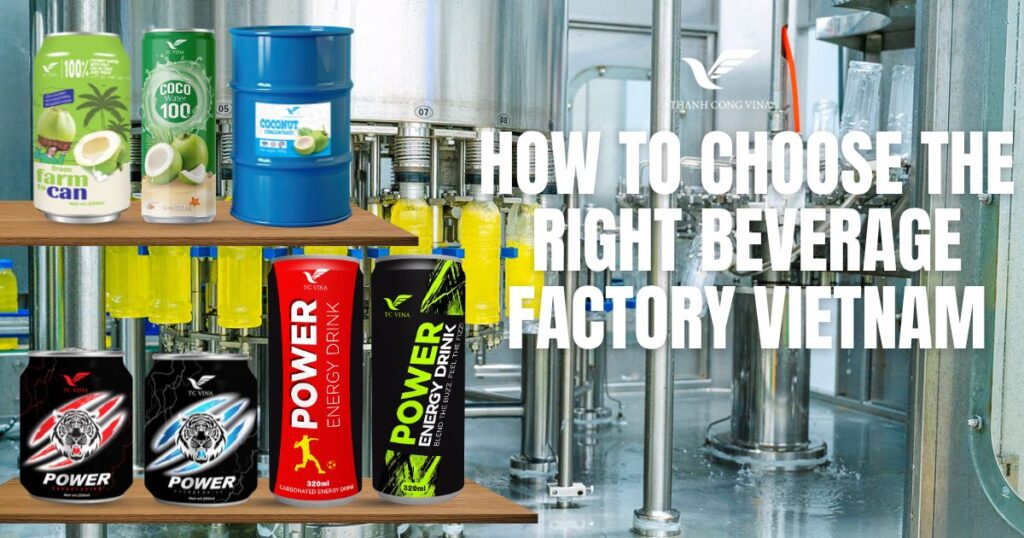
How to Choose the Right Beverage Factory Vietnam
Aug
Choosing the right Beverage Factory Vietnam is a critical decision for importers, distributors, retailers, and international beverage brands looking for reliable manufacturing solutions. The right factory can help transform a product concept into a commercially successful beverage through professional formulation, production, packaging, quality control, and export support. However, selecting a manufacturing partner based only on price can create problems with product consistency, lead times, packaging quality, documentation, and supply continuity.
Vietnam has become an attractive sourcing destination for beverages due to its tropical agricultural resources, established food-processing industry, skilled workforce, and growing manufacturing infrastructure. International buyers can develop a wide range of products, including fruit juices, coconut water, aloe vera beverages, nata de coco drinks, ready-to-drink coffee, and customized private label beverages.
For businesses entering a new market, the ideal factory should offer more than production capacity. It should understand international buyer requirements, provide flexible customization, maintain strong quality systems, communicate clearly, and support the product from development through export. This guide explains the most important factors to consider when choosing a reliable Beverage Factory Vietnam.
1. Why Choosing the Right Beverage Factory Vietnam Matters
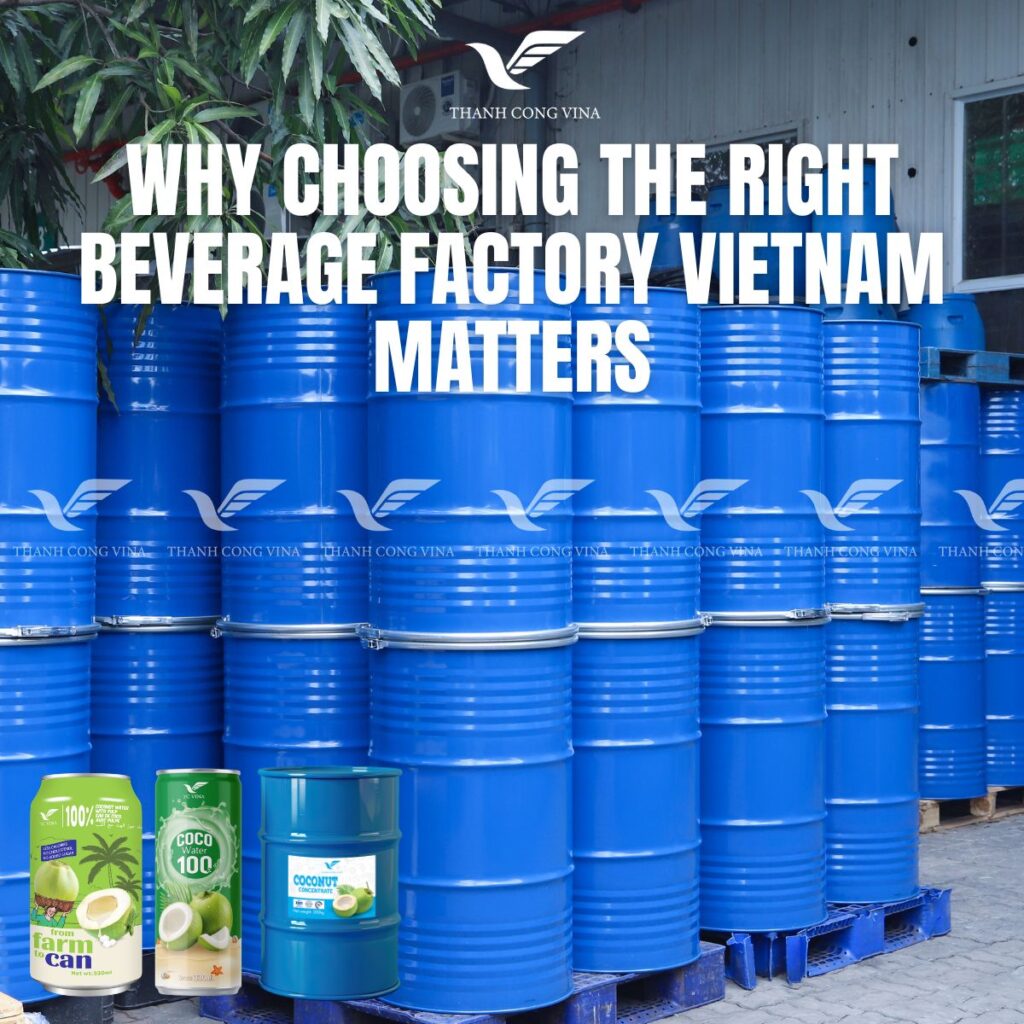
A beverage manufacturing partnership can directly influence product quality, brand reputation, cost structure, and the ability to scale internationally.
Manufacturing Quality Directly Affects Your Brand
When consumers purchase a beverage, they see the brand on the packaging rather than the name of the factory behind it. If the product has inconsistent taste, damaged packaging, or quality problems, the customer’s perception of the brand can be affected.
Therefore, beverage buyers should carefully evaluate a manufacturer’s:
- Production procedures
- Raw material controls
- Quality management
- Packaging systems
- Finished product inspection
- Traceability
- Food safety practices
A reliable factory should have clearly defined procedures from incoming materials through finished products.
The Right Factory Reduces Supply Chain Risks
International beverage sourcing involves many interconnected processes.
A manufacturing delay can affect:
- Shipping schedules
- Retail launches
- Promotional campaigns
- Inventory levels
- Distributor commitments
- Customer relationships
Choosing a manufacturer with organized production planning and clear communication can help reduce these risks.
Manufacturing Capability Supports Long-Term Growth
A beverage project may start with one product and a relatively small order. As the brand becomes successful, the buyer may require additional flavors, larger quantities, new packaging formats, or new markets.
The ideal Beverage Factory Vietnam should therefore have the ability to support future growth rather than only meeting today’s requirements.
2. Key Factors to Evaluate When Choosing a Beverage Factory Vietnam
Selecting a factory requires a structured evaluation of its technical and commercial capabilities.
Production Capacity and Equipment
Begin by understanding the manufacturer’s production infrastructure.
Important questions include:
- What beverage categories can the factory produce?
- What filling technologies are available?
- What packaging formats can be supported?
- What production volumes can be handled?
- Can the factory increase capacity when demand grows?
- Are production and storage facilities properly organized?
The answer should match both your immediate needs and your long-term business plans.
Beverage Product Portfolio
A factory with a broad beverage portfolio can provide greater flexibility.
Potential categories include:
- Fruit juices
- Fruit drinks
- Coconut water
- Aloe vera beverages
- Nata de coco drinks
- Ready-to-drink coffee
- Juice concentrates
Working with a manufacturer capable of producing multiple categories can make future product expansion easier.
R&D and Product Development
Product development is especially important for OEM and private label projects.
A capable R&D team should be able to assist with:
- Product concepts
- Formula development
- Ingredient selection
- Sensory evaluation
- Sample production
- Formula adjustments
- Commercial scaling
The manufacturer should understand that creating a beverage is not simply about mixing ingredients. The formula must also be suitable for consistent commercial production.
3. Custom Beverage Formulation and Private Label Solutions
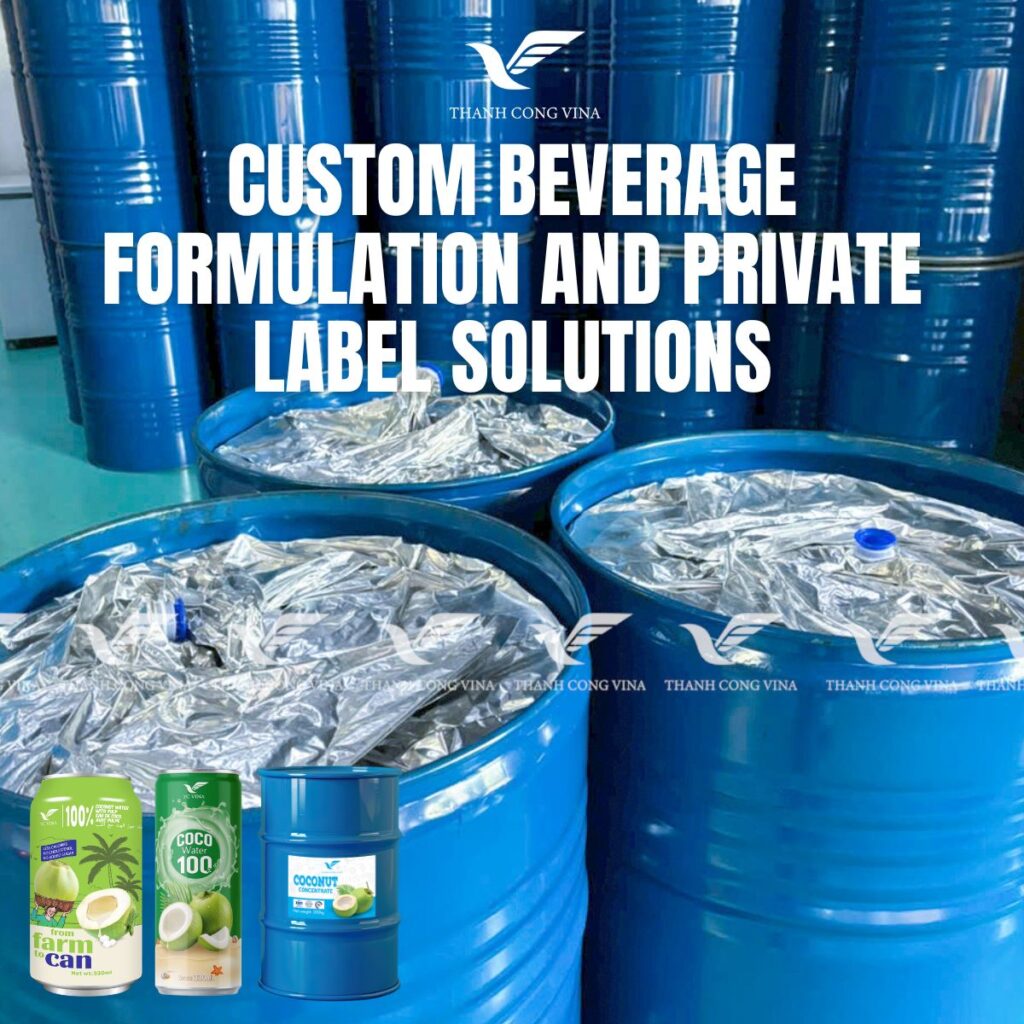
For international brands, customization can be one of the most important requirements.
Developing a Product According to Market Requirements
Different countries and consumer groups may have different preferences.
For example, customers may request adjustments to:
- Sweetness
- Acidity
- Fruit intensity
- Aroma
- Texture
- Color
- Serving size
A flexible manufacturer should be able to work with the buyer’s product brief and develop samples for evaluation.
From Product Concept to Commercial Formula
A professional product development process may follow several stages:
- Customer submits product requirements
- Manufacturer reviews technical specifications
- R&D develops an initial formulation
- Samples are produced
- Customer evaluates the samples
- Feedback is incorporated
- Final formula is approved
- Commercial production begins
This structured approach helps ensure that the final product reflects the customer’s expectations.
Private Label Manufacturing
Private label manufacturing allows brands to create beverages under their own identity without operating their own factory.
A manufacturer can potentially support:
- Formula customization
- Product development
- Brand packaging
- Label production
- Commercial manufacturing
- Quality inspection
- Export preparation
This model is particularly suitable for importers, retailers, distributors, and beverage startups.
4. Beverage Factory Vietnam: Quality Control and Certifications
Quality assurance should be one of the most important considerations when selecting a manufacturing partner.
Raw Material Quality Control
Quality begins before production.
Incoming ingredients may be evaluated according to established specifications covering:
- Appearance
- Color
- Aroma
- Taste
- Physical characteristics
- Supplier documentation
- Food safety parameters
For fruit-based beverages, raw material consistency can be especially important because agricultural ingredients may naturally vary between seasons and suppliers.
In-Process Quality Control
Quality checks should continue throughout the manufacturing process.
Typical production stages include:
- Ingredient preparation
- Weighing
- Mixing
- Processing
- Filling
- Sealing
- Labeling
- Carton packing
Production parameters should be monitored against the approved product specification.
Finished Product Inspection
Before products are released for shipment, finished beverages can be evaluated for relevant characteristics such as:
- Appearance
- Taste
- Aroma
- Product consistency
- Packaging integrity
- Microbiological parameters
- Label information
The exact testing program depends on the beverage category, customer requirements, and destination market.
Food Safety Certifications
International buyers may require certifications or standards such as:
- HACCP
- ISO
- HALAL
- FDA-related requirements
The required certification depends on the product and target market. Buyers should verify the manufacturer’s current certificates, scope, and validity before placing commercial orders.
5. Packaging Options and Export-Ready Manufacturing
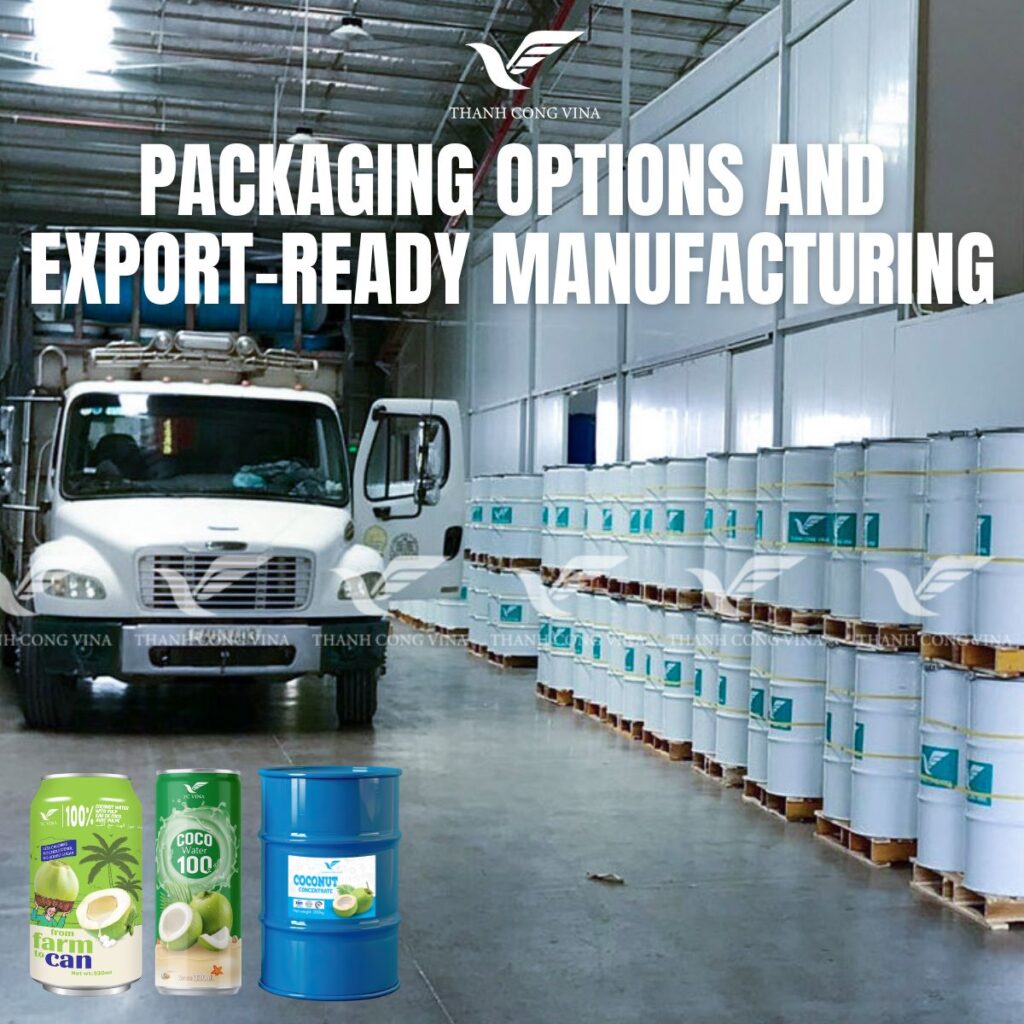
Packaging affects not only product appearance but also shelf presence, consumer convenience, product protection, and logistics.
Beverage Packaging Formats
Depending on the product and production line, a Beverage Factory Vietnam may offer packaging options such as:
- Aluminum cans
- Slim cans
- PET bottles
- Glass bottles
- Cartons
Potential sizes can include:
- 250ml
- 320ml
- 330ml
- 500ml
The best format depends on the product category, target consumer, retail channel, and desired positioning.
Customized Packaging for Global Brands
Private label products can be developed using the customer’s own brand identity.
Packaging artwork may include:
- Brand logo
- Product name
- Flavor
- Fruit imagery
- Ingredients
- Nutrition information
- Barcode
- Product claims
- Manufacturer details
International buyers should finalize label requirements according to the destination country’s regulations before mass printing.
Export Packaging
Products intended for international shipment must be packed to withstand transportation and handling.
Important considerations include:
- Carton strength
- Stacking
- Pallet configuration
- Container loading
- Product protection
- Warehouse handling
Efficient packaging can also improve container utilization and help control logistics costs.
6. MOQ, Pricing and Production Lead Time
Commercial conditions should be evaluated before selecting a manufacturing partner.
Understanding MOQ
Minimum order quantity can depend on:
- Beverage type
- Product size
- Packaging format
- Formula
- Packaging materials
- Production line
- Customization requirements
For new brands, a manageable MOQ can reduce inventory exposure.
For established distributors and retailers, larger production volumes may provide better manufacturing efficiency.
What Determines the Manufacturing Cost?
Beverage pricing can be affected by:
- Ingredients
- Fruit content
- Formula complexity
- Packaging
- Product size
- Labels
- Cartons
- Order quantity
Buyers should avoid evaluating factories solely on the lowest quoted price.
The total landed cost can also include:
- International freight
- Import duties
- Insurance
- Warehousing
- Customs-related expenses
- Local distribution
A factory with stronger quality systems and more reliable production may provide better long-term value even when its initial quotation is not the lowest.
Production Lead Time
Production lead time can vary depending on the project.
Factors include:
- Formula development
- Sample approval
- Packaging artwork
- Packaging production
- Raw material availability
- Factory scheduling
- Order quantity
- Quality inspection
- Export documentation
A clear production timeline should be established before commercial manufacturing begins.
7. Export Capabilities and International Logistics
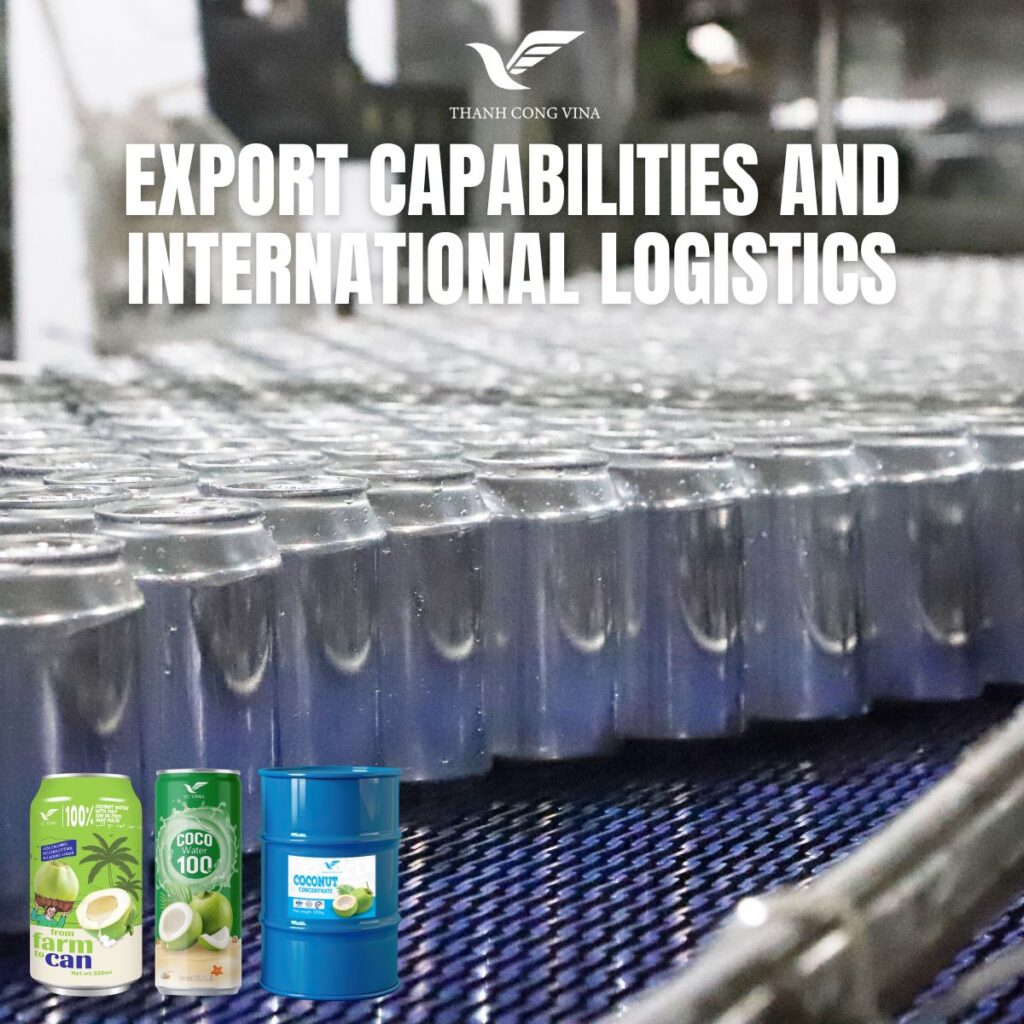
For international beverage buyers, manufacturing and export preparation need to work together.
Export Documentation
Depending on the destination market, buyers may require documents such as:
- Commercial Invoice
- Packing List
- Certificate of Origin
- Certificate of Analysis
- Product Specification
- Food safety documentation
- Shipping documents
Documentation requirements should be discussed before production to avoid unnecessary delays.
Destination Market Compliance
Each market can have different requirements regarding:
- Ingredients
- Food additives
- Nutrition labeling
- Product claims
- Label language
- Barcodes
- Shelf life
- Food safety documentation
An experienced factory should be able to provide appropriate technical documentation to support the buyer’s compliance process.
Container Loading and Shipping
Beverages are relatively heavy and can require careful logistics planning.
Manufacturers and buyers should consider:
- Carton dimensions
- Product weight
- Pallet configuration
- Container capacity
- Weight distribution
- Stacking
Efficient loading can help maximize container utilization while protecting products during international transportation.
8. Why Choose Thanh Cong Vina as Your Beverage Manufacturing Partner?
For international buyers searching for a dependable Beverage Factory Vietnam, Thanh Cong Vina provides OEM, ODM, and private label beverage manufacturing solutions for global B2B customers.
End-to-End Beverage Manufacturing
Thanh Cong Vina can support customers throughout multiple stages of the beverage supply chain, including:
- Product consultation
- Product development
- Formula customization
- Sample production
- Packaging
- Commercial manufacturing
- Quality control
- Export preparation
This integrated model allows customers to work with one manufacturing partner rather than coordinating multiple suppliers.
Diverse Beverage Portfolio
Thanh Cong Vina supports a broad range of beverage products, including:
- Fruit juices
- Fruit drinks
- Coconut water
- Aloe vera beverages
- Nata de coco drinks
- Ready-to-drink coffee
- Fruit juice concentrates
This portfolio gives importers and distributors opportunities to develop multiple beverage SKUs for different consumer segments.
Export-Oriented B2B Manufacturing
International beverage buyers need more than manufacturing capacity. They need a supplier that understands product specifications, quality management, packaging, production planning, documentation, and export requirements.
Thanh Cong Vina focuses on B2B beverage manufacturing and customized solutions for international customers seeking reliable supply and flexible product development.
Conclusion
Choosing the right beverage manufacturing partner is a strategic decision that can influence product quality, cost efficiency, delivery reliability, and long-term brand growth. The best factory should be evaluated based on its production capacity, R&D capabilities, customization options, packaging solutions, quality-control systems, certifications, MOQ, lead times, export experience, and communication.
Vietnam offers strong opportunities for international beverage sourcing thanks to its tropical agricultural resources, established food-processing industry, manufacturing infrastructure, skilled workforce, and strategic location in Southeast Asia. These advantages make it possible for global brands to develop a diverse range of products, from fruit beverages and coconut water to aloe vera drinks, nata de coco, juice concentrates, and ready-to-drink coffee.
Thanh Cong Vina provides OEM, ODM, and private label beverage manufacturing services for importers, distributors, retailers, and international beverage brands. Thanh Cong Vina supports customers from the early product concept through formulation, sampling, packaging, commercial production, quality control, and export preparation. Its broad beverage portfolio enables customers to develop multiple products through one manufacturing relationship while maintaining clear product specifications and quality requirements. For companies seeking a dependable manufacturing partner with an export-oriented approach, selecting the right Beverage Factory Vietnam can provide the foundation for building competitive beverage brands and sustainable international supply chains.
