
Products Knowledge
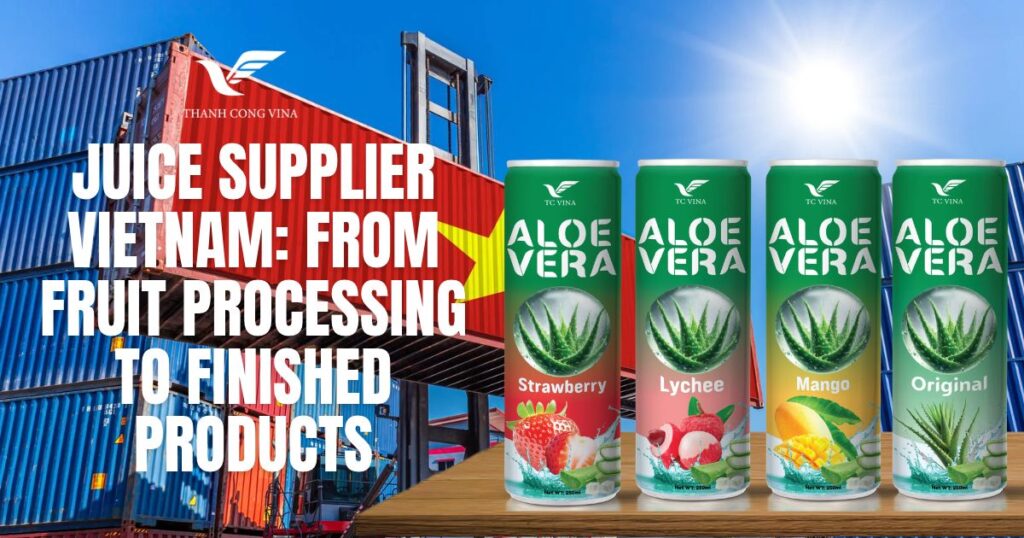
Juice Supplier Vietnam: From Fruit Processing to Finished Products
Oct
Choosing a reliable Juice Supplier Vietnam is an important step for beverage importers, distributors, retailers, and international brands seeking to develop competitive fruit juice products. However, a successful juice supply partnership involves much more than sourcing fruit and filling bottles or cans. It requires a coordinated process that transforms selected raw materials into finished beverages that meet product specifications, customer expectations, and destination-market requirements.
From fruit selection and preparation to juice extraction, formulation, quality control, packaging, and export preparation, each stage influences the final product. Understanding this journey helps buyers evaluate manufacturing partners, communicate their requirements more effectively, and make informed purchasing decisions.
Vietnam offers opportunities for businesses interested in tropical fruit beverages and customized beverage manufacturing. For international buyers, working with a capable manufacturing partner can support product development, private label projects, and long-term supply planning. This article explores the essential stages of fruit juice production and explains what businesses should understand when working with a Vietnamese juice supplier.
1. Juice Supplier Vietnam: Understanding the Journey from Fruit to Finished Beverage
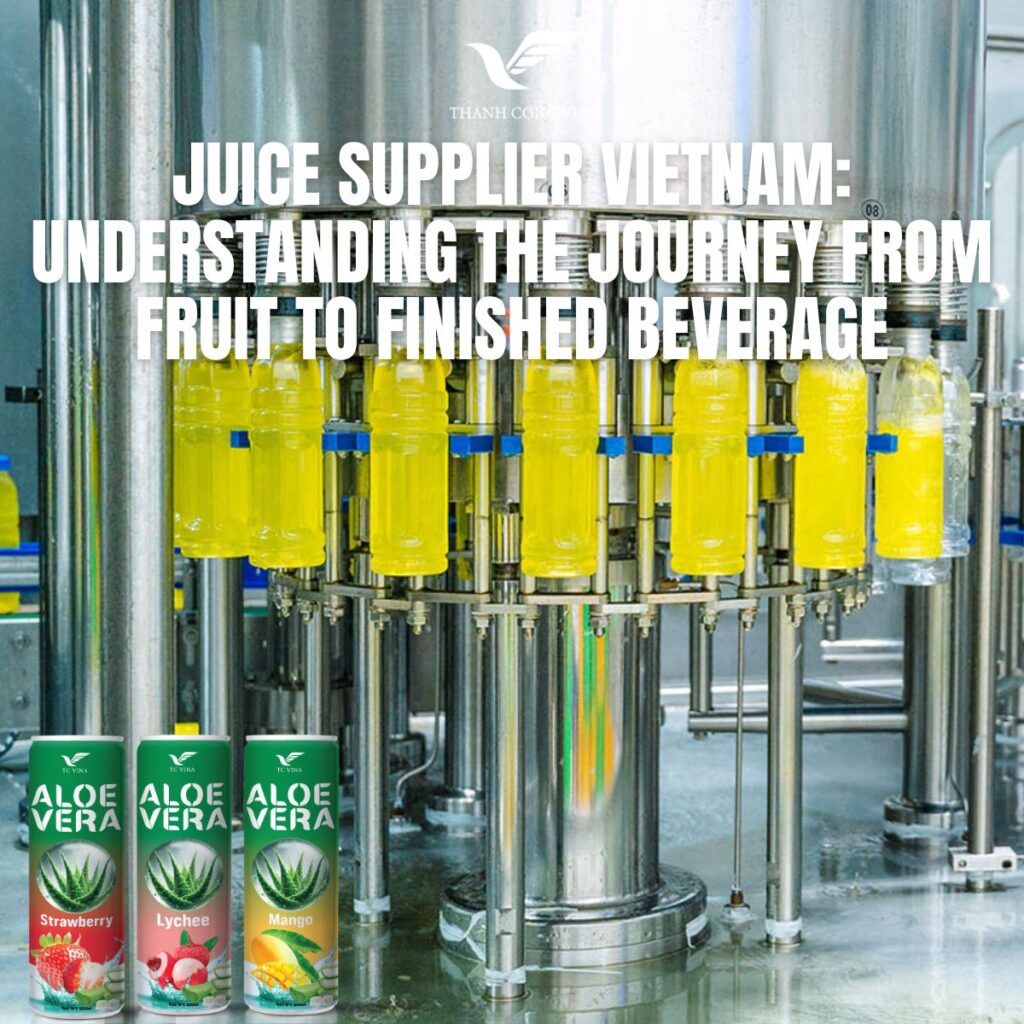
A finished fruit juice beverage is the result of multiple connected operations. Each stage must be planned according to the fruit variety, beverage formulation, packaging format, and intended market.
From Agricultural Raw Materials to Beverage Ingredients
Fruit is the foundation of the final beverage. Mango, pineapple, guava, passion fruit, orange, peach, and other fruit varieties offer different flavor profiles, colors, acidity levels, and processing characteristics. These differences influence how ingredients are selected and combined during product development.
Before production begins, manufacturers need to establish raw material specifications appropriate for the product. Relevant considerations may include fruit variety, maturity, appearance, aroma, flavor, and condition upon delivery. Depending on the formulation, the ingredient may be used as fresh fruit, processed pulp, juice, concentrate, or another approved fruit preparation.
For buyers, understanding the ingredient format is important because it affects product characteristics, manufacturing requirements, and purchasing costs. A beverage developed with fruit concentrate, for example, may have different formulation and processing considerations from one made with NFC juice, meaning juice that is not reconstituted from concentrate.
Defining the Finished Product Before Production
The manufacturing process should begin with a clear product brief rather than an unspecified request for fruit juice. Buyers should identify the target flavor, sweetness, color, texture, ingredient requirements, serving size, packaging type, and intended sales market.
A clear specification helps the supplier assess feasibility and determine which production steps are appropriate. It also establishes a reference for evaluating samples and checking finished products.
For private label projects, early alignment is particularly important. The buyer and manufacturer should agree on product expectations, label information, packaging artwork, and approval procedures before moving toward commercial production.
2. Fruit Selection, Sorting, and Preparation for Juice Production
Raw material preparation is one of the most important stages in beverage manufacturing because variations in fruit quality can affect the consistency of the finished product.
Selecting Fruit According to Product Specifications
Different fruit varieties provide distinct sensory characteristics. Mango may contribute a rich tropical flavor and smooth mouthfeel, while pineapple can offer a bright, refreshing taste. Pink guava, passion fruit, and peach provide further options for brands developing differentiated beverage portfolios.
A professional manufacturing process begins with purchasing criteria that reflect the intended application. These criteria should be defined according to the fruit ingredient and the product specification rather than relying on appearance alone.
Suppliers should also consider the condition of incoming materials, transportation arrangements, storage requirements, and the documentation needed for traceability. Depending on the ingredient and sourcing model, supporting records may include supplier details, delivery information, inspection results, and relevant quality documents.
Sorting, Washing, and Preparing Ingredients
After receiving suitable fruit, the preparation process may include inspection, sorting, washing, trimming, peeling, deseeding, or cutting. The exact sequence depends on the fruit type and the equipment used.
These operations help remove unsuitable materials and prepare the fruit for subsequent processing. Effective preparation also requires attention to hygienic handling, water quality where applicable, equipment cleanliness, and separation of materials to reduce contamination risks.
Not every fruit follows the same processing route. Citrus fruits, tropical fruits, and stone fruits have different structures and handling requirements. A manufacturing partner should therefore select procedures appropriate to each ingredient instead of applying one identical method to every product.
Maintaining Traceability from the Beginning
Traceability supports the investigation of quality issues and helps businesses connect finished products with relevant raw material records. Where applicable, incoming ingredients should be identifiable through batch codes, supplier documentation, receiving records, and production records.
International buyers can ask how raw materials are identified and how the manufacturer handles nonconforming ingredients. These questions provide practical insight into the supplier’s quality management practices before a commercial order is placed.
3. Juice Extraction, Formulation, and Flavor Development
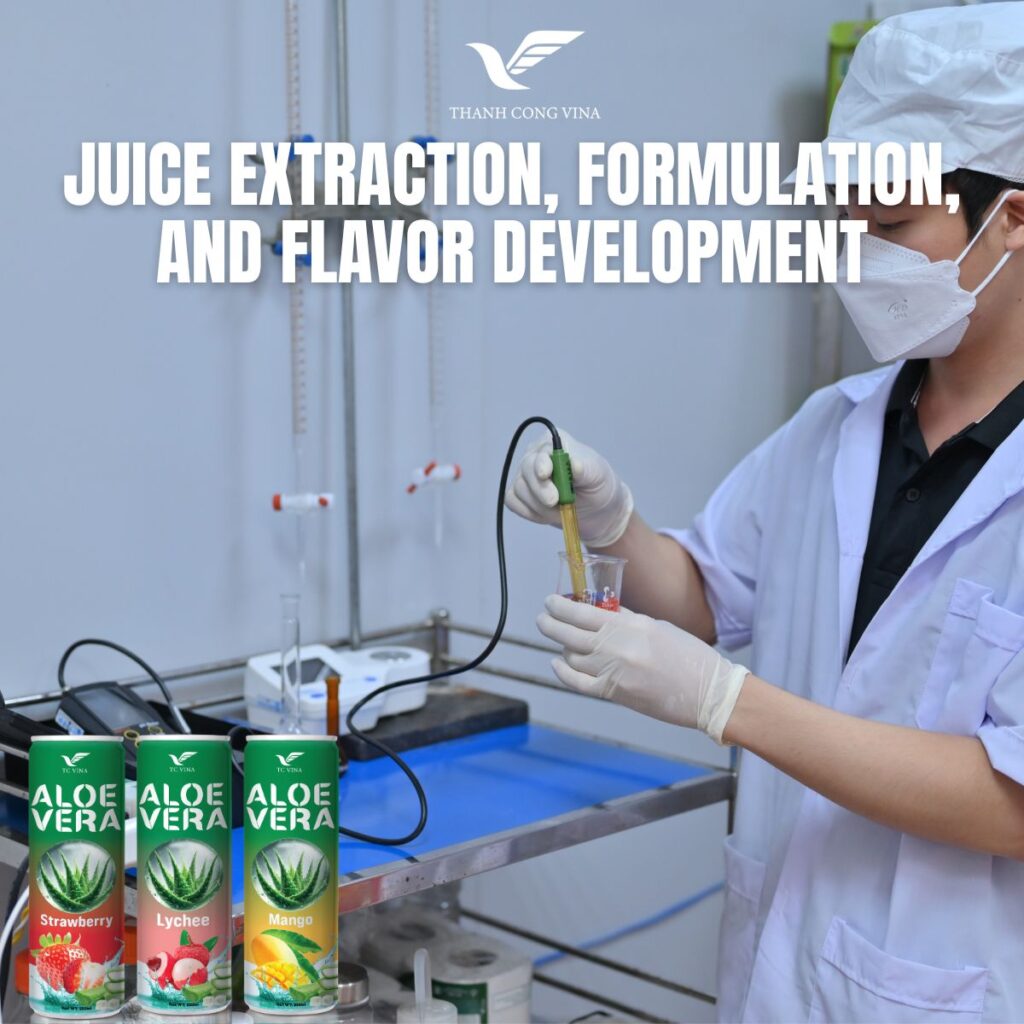
Once raw materials have been prepared, the next stage is to obtain the required juice or fruit ingredient and develop the beverage according to the agreed specification.
Juice Extraction and Ingredient Processing
Extraction methods depend on the fruit and the desired ingredient. Pressing, pulping, sieving, or other suitable operations may be used to obtain juice or fruit material for formulation.
The goal is to achieve an ingredient that is appropriate for the intended beverage while managing unwanted materials and maintaining suitable sensory characteristics. The process must be selected according to the fruit’s physical properties and the product’s required texture.
Some beverages are made with juice or pulp, while others use concentrated ingredients or a combination of fruit preparations. These choices influence the production process and the final beverage profile. Buyers should clarify the ingredient declaration and expected fruit content instead of assuming that all products marketed as fruit drinks have the same composition.
Formulating a Consistent Beverage
Fruit ingredients naturally vary in sweetness, acidity, color, and flavor. Beverage formulation helps manage these variations and establish a repeatable product profile.
Depending on the product brief and applicable regulations, a formulation may include fruit juice, fruit puree, water, sweeteners, acidity regulators, stabilizing ingredients, or other permitted components. The specific ingredient list must reflect the approved recipe and the requirements of the destination market.
A supplier should evaluate formulation options against the buyer’s commercial objectives. For example, a brand targeting a refreshing everyday drink may prioritize a lighter flavor profile, while a premium product may focus on fruit character, mouthfeel, and a particular ingredient declaration.
Sampling, Sensory Evaluation, and Recipe Approval
Before mass production, buyers should review product samples against clearly defined criteria. Evaluation may cover aroma, flavor, sweetness, acidity, color, texture, and aftertaste. Where required, laboratory testing should complement sensory assessment.
The approval process should document the accepted sample and relevant product specifications. Any subsequent recipe adjustment should be reviewed and approved by the appropriate parties.
For OEM, ODM, and private label projects, this stage creates a shared reference between the brand owner and manufacturer. It reduces ambiguity and provides a foundation for evaluating whether commercial batches meet the agreed requirements.
4. Heat Treatment, Food Safety, and Quality Control
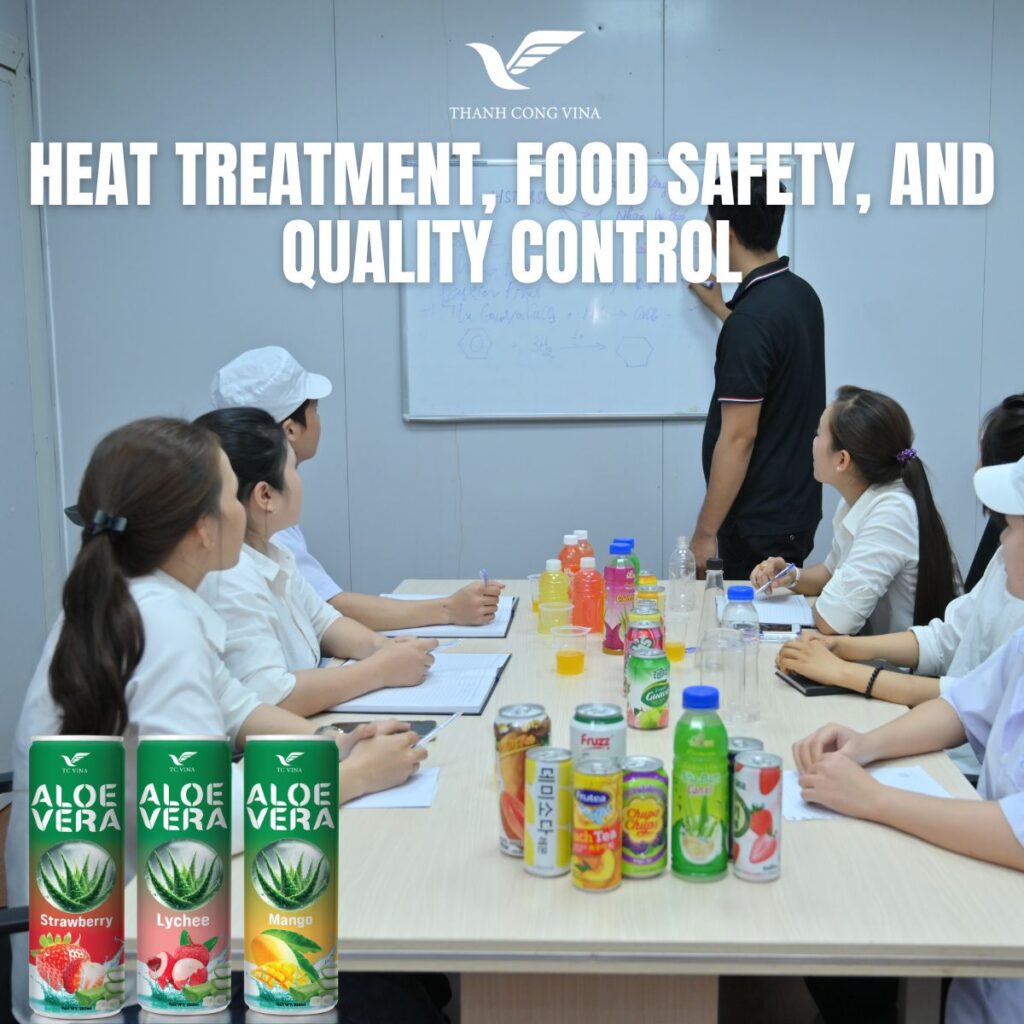
Processing and quality control are central to producing beverages that meet their intended safety, stability, and quality requirements. The correct approach depends on the formulation, product characteristics, packaging, and expected storage conditions.
Choosing an Appropriate Processing Method
Fruit beverages may require pasteurization or another validated preservation process. The appropriate treatment depends on factors such as acidity, formulation, microbial risks, packaging system, and the intended distribution conditions.
Time and temperature parameters should not be selected using a universal formula. Instead, the process should be established and validated for the specific product and production system by qualified personnel.
The manufacturer should also understand how processing affects the beverage’s sensory characteristics. Excessive or unsuitable treatment may affect color, aroma, and flavor, while insufficiently controlled processing can create food safety and product stability concerns.
For buyers evaluating a Juice Supplier Vietnam, it is reasonable to ask what preservation method is used, how critical parameters are monitored, and what evidence supports the product’s declared storage conditions.
Quality Checks During Production
Quality assurance should extend beyond final inspection. Depending on the manufacturing system, checks may be performed on incoming ingredients, prepared fruit, formulated beverages, processing parameters, filling operations, and finished packaging.
Relevant product checks can include pH, soluble solids such as Brix, appearance, sensory characteristics, fill volume, packaging integrity, and microbiological criteria. Not every test applies to every beverage, so the inspection plan should reflect the product specification and applicable requirements.
Documented procedures help ensure that quality decisions are consistent. When a result falls outside the approved specification, the manufacturer should have a defined process for investigation, product segregation, corrective action, and release authorization.
Food Safety Systems and Product Documentation
Buyers should review the manufacturer’s food safety management arrangements and request relevant supporting documents. Depending on the market and project, this may include a product specification, ingredient declaration, test reports, batch records, traceability information, and applicable certificates.
Certification should be checked rather than assumed. Buyers need to verify its validity, issuing organization, covered facility, product scope, and relevance to the proposed order.
A transparent documentation process helps both parties address questions efficiently and supports customer requirements, audits, and market-entry preparation.
5. Packaging, Labeling, and Finished Product Inspection
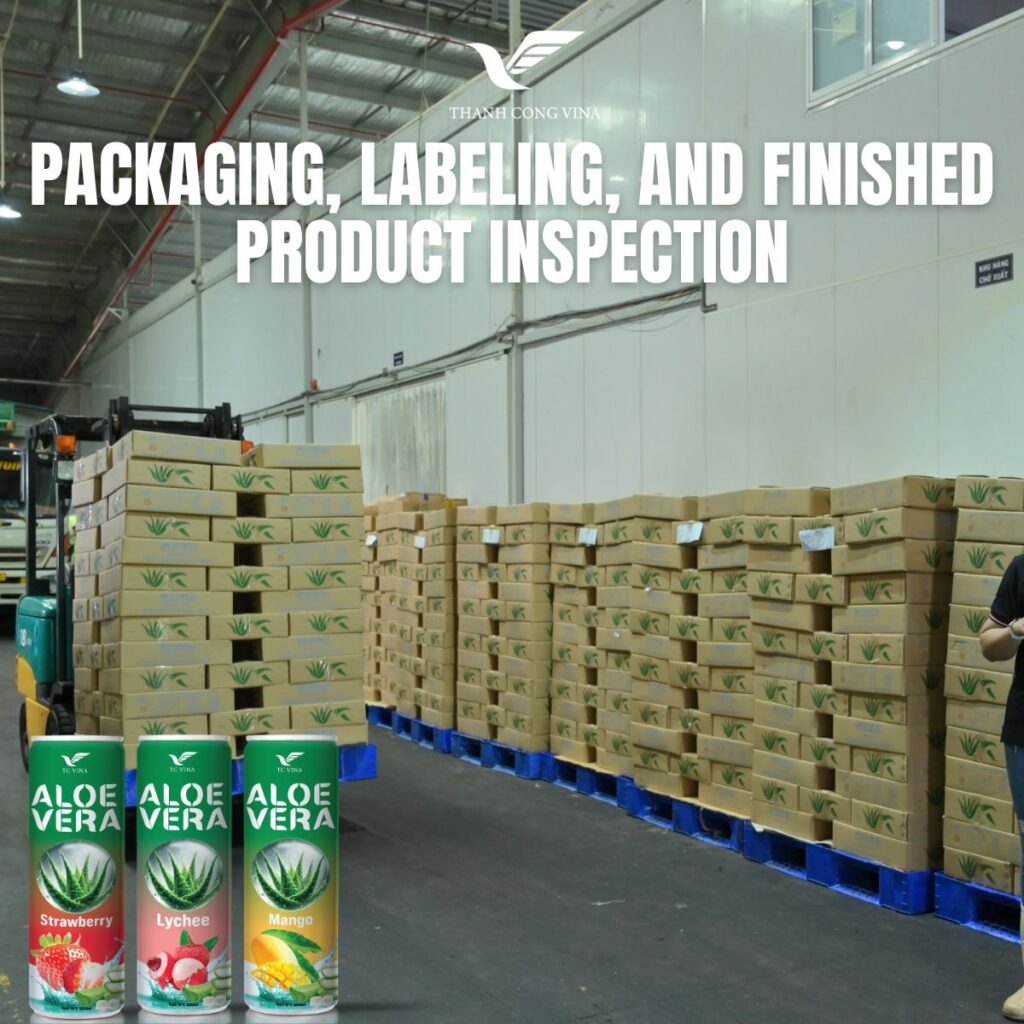
Packaging is more than a visual element. It influences product protection, transportation, shelf presentation, and the consumer experience. The right format should be selected in line with the beverage, brand positioning, and distribution plan.
Selecting Packaging for Different Market Needs
Fruit beverages may be supplied in cans, PET bottles, glass bottles, or other suitable formats, depending on manufacturing capabilities and product requirements. Common considerations include package size, material compatibility, closure system, filling method, transport durability, and consumer convenience.
For example, smaller formats may suit individual consumption, while larger bottles can serve family or foodservice occasions. The final decision should also account for the target retail channel, shipping arrangements, and expected handling conditions.
Buyers should confirm which packaging options are available for their project, along with minimum order quantities, artwork requirements, lead times, and any tooling or setup costs.
Label Accuracy and Regulatory Review
Packaging artwork must communicate the product correctly and comply with the regulations applicable to the destination market. Depending on local requirements, labels may need to include the product name, ingredient list, allergen declarations where relevant, net quantity, nutrition information, date marking, storage instructions, country of origin, and responsible business details.
Language requirements, permitted claims, and presentation rules vary between markets. Statements about fruit content, nutritional benefits, or product composition should be supported and legally appropriate.
The importer and brand owner should work with the manufacturer to review the artwork before printing. Final responsibility for regulatory compliance should be clearly allocated between the parties, especially when products are sold under a private label.
Finished Product Inspection and Release
Before shipment, finished products should be assessed against the agreed acceptance criteria. Depending on the order, this may include appearance, coding, label placement, fill quantity, package integrity, case packing, and required laboratory results.
Buyers should also confirm how batch identification and production dates are displayed. Clear coding supports stock rotation, traceability, and investigation if a quality concern arises after delivery.
A documented release process helps ensure that products are approved before dispatch rather than relying solely on visual checks during packing.
6. Export Preparation, Logistics, and Long-Term Supply Planning
Manufacturing a suitable beverage is only one part of a successful export order. The supplier and buyer must also coordinate documentation, shipment preparation, and commercial expectations.
Preparing Products for International Distribution
Export requirements depend on the destination country, product category, importer obligations, and agreed trade terms. Documentation may include commercial invoices, packing lists, certificates of origin where applicable, product specifications, and other documents required by the importer or authorities.
Additional documents or testing may be necessary for particular markets. Buyers should identify these requirements early and confirm which party is responsible for obtaining each item.
Packaging and palletization should also reflect the planned transport method. Appropriate handling, storage conditions, and protection against damage can help preserve product quality throughout distribution.
Managing Shelf Life and Inventory
Shelf life should be supported by appropriate product assessment and evidence for the specific formulation, processing method, and packaging. Buyers should not rely on a generic shelf-life claim without confirming the conditions under which it applies.
The commercial plan should account for production lead time, transit time, customs clearance, warehouse handling, and remaining shelf life at arrival. These factors influence order quantities and inventory turnover.
For distributors and retailers, realistic forecasting helps reduce stock pressure and supports more reliable replenishment. Both parties should agree on production schedules, order confirmation procedures, and how changes in demand will be communicated.
Building a Dependable Manufacturing Partnership
A strong partnership depends on clear specifications, responsive communication, consistent documentation, and transparent commercial terms. Before placing a large order, buyers may request samples, review relevant records, clarify production timelines, and agree on procedures for handling complaints or product deviations.
A supplier relationship should also allow for future development. New flavors, package formats, or market-specific versions may create opportunities, provided that each change is evaluated and approved appropriately.
Thanh Cong Vina works within Vietnam’s beverage manufacturing and export sector, making it a potential partner for businesses exploring fruit beverage sourcing and customized product development. Buyers should discuss their project requirements directly and verify the available formulations, packaging formats, documentation, production capabilities, and applicable certifications before confirming an order.
Conclusion
Understanding the journey from fruit processing to finished products enables international buyers to evaluate beverage manufacturers with greater confidence. Every stage, from raw material selection and ingredient preparation to formulation, food safety controls, packaging, and export coordination, contributes to the quality and commercial suitability of a fruit beverage. A reliable manufacturing relationship begins with clear product specifications, realistic expectations, documented quality procedures, and open communication between both parties.
For importers, distributors, and beverage brands seeking a Juice Supplier Vietnam, the most effective approach is to assess the complete production process rather than focusing on price alone. Ingredient transparency, consistent specifications, suitable packaging, and export readiness should all form part of the evaluation. Thanh Cong Vina Beverage can be considered as a potential manufacturing partner for businesses exploring beverage production and private label opportunities in Vietnam. By aligning product requirements with verified manufacturing capabilities, buyers and Thanh Cong Vina can establish a clearer foundation for product development, order planning, and long-term cooperation in international beverage markets.
