
Products Knowledge
Juice Supplier Vietnam with OEM & ODM Manufacturing Services
Oct
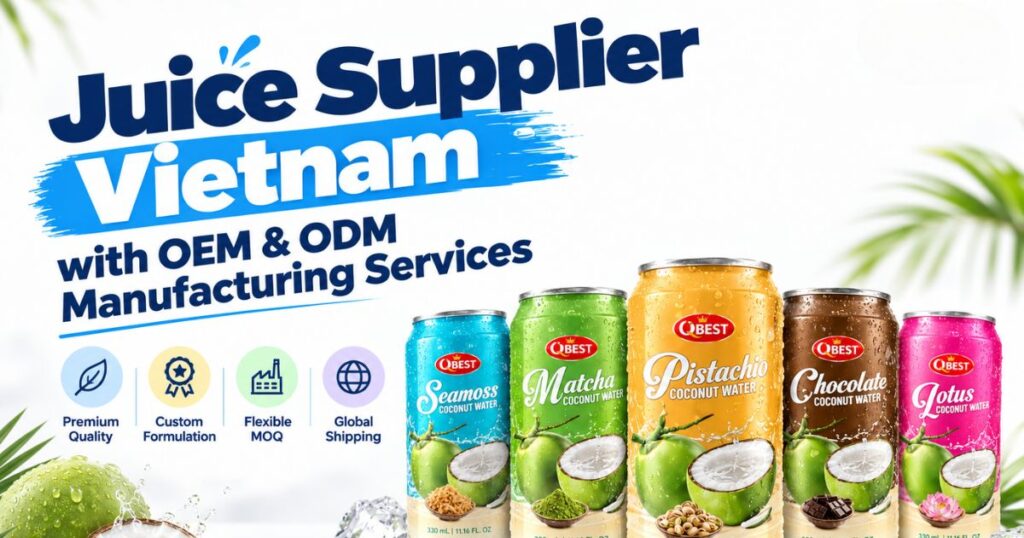
For beverage brands seeking to expand their product portfolios, working with a reliable Juice Supplier Vietnam can provide opportunities to develop customized fruit juice products for domestic and international markets. Instead of investing independently in manufacturing facilities, brands can collaborate with an established beverage manufacturer to turn product concepts into commercially viable drinks. OEM and ODM manufacturing services offer different approaches to product development, formulation, packaging, and production, allowing businesses to choose a model that matches their resources and objectives.
Vietnam’s tropical fruit resources and beverage manufacturing sector make the country an attractive sourcing destination for businesses exploring fruit-based beverages. However, successful cooperation requires more than selecting a supplier based on price. Buyers must consider product specifications, development responsibilities, minimum order quantities, packaging options, quality documentation, and export requirements. Understanding how OEM and ODM services work can help importers, distributors, retailers, and private label owners make better sourcing decisions. This article explains the key considerations for developing a fruit juice brand with a manufacturing partner in Vietnam.
1. Juice Supplier Vietnam with OEM & ODM Manufacturing Services
OEM and ODM services help beverage businesses access manufacturing capabilities without necessarily operating their own production facilities. Although the terms are sometimes used interchangeably in commercial discussions, they can involve different levels of product development responsibility.
Understanding OEM Juice Manufacturing
OEM, or Original Equipment Manufacturer, generally refers to a manufacturing arrangement in which the supplier produces beverages according to the buyer’s approved specifications. The buyer may provide an existing formulation, ingredient requirements, product concept, packaging design, or other technical instructions, depending on the project.
For example, a beverage brand may already have a mango juice recipe and require a manufacturing partner to produce the beverage under its own brand name. The manufacturer and buyer work together to establish production requirements, confirm technical feasibility, and agree on quality standards before commercial manufacturing begins.
OEM manufacturing can be suitable for businesses with an established product concept and clear specifications. It allows the brand owner to focus on marketing, distribution, sales development, and customer relationships while coordinating production with a specialized manufacturing partner.
Before starting an OEM project, buyers should clarify which party is responsible for formulation approval, ingredient sourcing, packaging procurement, product testing, and regulatory documentation.
Understanding ODM Juice Manufacturing
ODM, or Original Design Manufacturer, generally involves a greater degree of supplier participation in product development. Depending on the manufacturer’s services, the supplier may help develop a formulation, recommend product formats, propose flavor combinations, or adapt an existing beverage concept to the buyer’s requirements.
This approach may be suitable for businesses entering the beverage market without an established formula or technical development team. A distributor, for instance, may want to introduce a fruit juice line but need support evaluating suitable flavors, sweetness levels, package sizes, and target price points.
ODM does not automatically mean that every requested formulation or design is available. The scope of development, ownership of intellectual property, customization options, and any additional fees should be agreed upon in writing.
Choosing the Right Manufacturing Model
The choice between OEM and ODM depends on the buyer’s level of product readiness, budget, timeline, and internal resources.
Businesses with approved recipes and detailed product specifications may prefer OEM manufacturing. Companies that need assistance developing a product concept may benefit from an ODM arrangement.
In both cases, the goal is to establish a transparent working relationship. Buyers should evaluate the manufacturer’s actual capabilities and confirm that the proposed service matches the project requirements before making a commercial commitment.
2. Developing a Fruit Juice Product for Your Brand
A successful private label juice product begins with a defined market opportunity. Before discussing production, businesses should understand whom they want to serve, how the beverage will be positioned, and what differentiates it from competing products.
Identifying the Target Consumer and Market Position
Different beverage markets have different purchasing priorities. Supermarket buyers may emphasize product consistency, retail pricing, packaging presentation, and reliable replenishment. Convenience stores may prioritize portable formats, while foodservice distributors may focus on pack sizes, order volumes, and supply continuity.
The target market influences the product development process. A value-oriented fruit drink may require a different formulation and packaging strategy from a premium beverage positioned around a distinctive fruit profile.
Buyers should define the intended sales channel, consumer group, target price range, preferred flavor profile, and key product attributes. This information helps the manufacturing partner assess the feasibility of the concept and identify suitable development options.
Selecting Flavors and Product Categories
Fruit juice portfolios can include a broad range of flavors, such as mango, pineapple, orange, peach, pink guava, passion fruit, strawberry, and other fruit varieties, depending on ingredient availability and manufacturing capabilities.
Rather than launching too many flavors at once, brands can consider beginning with a focused portfolio that reflects local demand and distribution priorities. A carefully selected range can simplify forecasting, packaging procurement, inventory management, and initial market testing.
Buyers should also distinguish between different beverage categories. Products made from fruit juice, juice concentrate, fruit puree, or other fruit preparations may differ in composition, sensory characteristics, and labeling requirements. The product name and ingredient declaration should accurately reflect the finished beverage and comply with the destination market’s regulations.
Creating a Clear Product Brief
A product brief translates commercial objectives into practical manufacturing requirements. It should include the proposed beverage type, flavor, ingredient expectations, sweetness, texture, packaging format, target market, and expected order volume.
Where possible, buyers should provide reference products or samples to communicate their expectations more clearly. The manufacturer can then assess whether the concept is feasible and identify areas that require further discussion.
A detailed brief reduces unnecessary revisions and provides a foundation for evaluating samples, confirming quotations, and approving production specifications.
3. Formulation Development, Sampling, and Product Approval
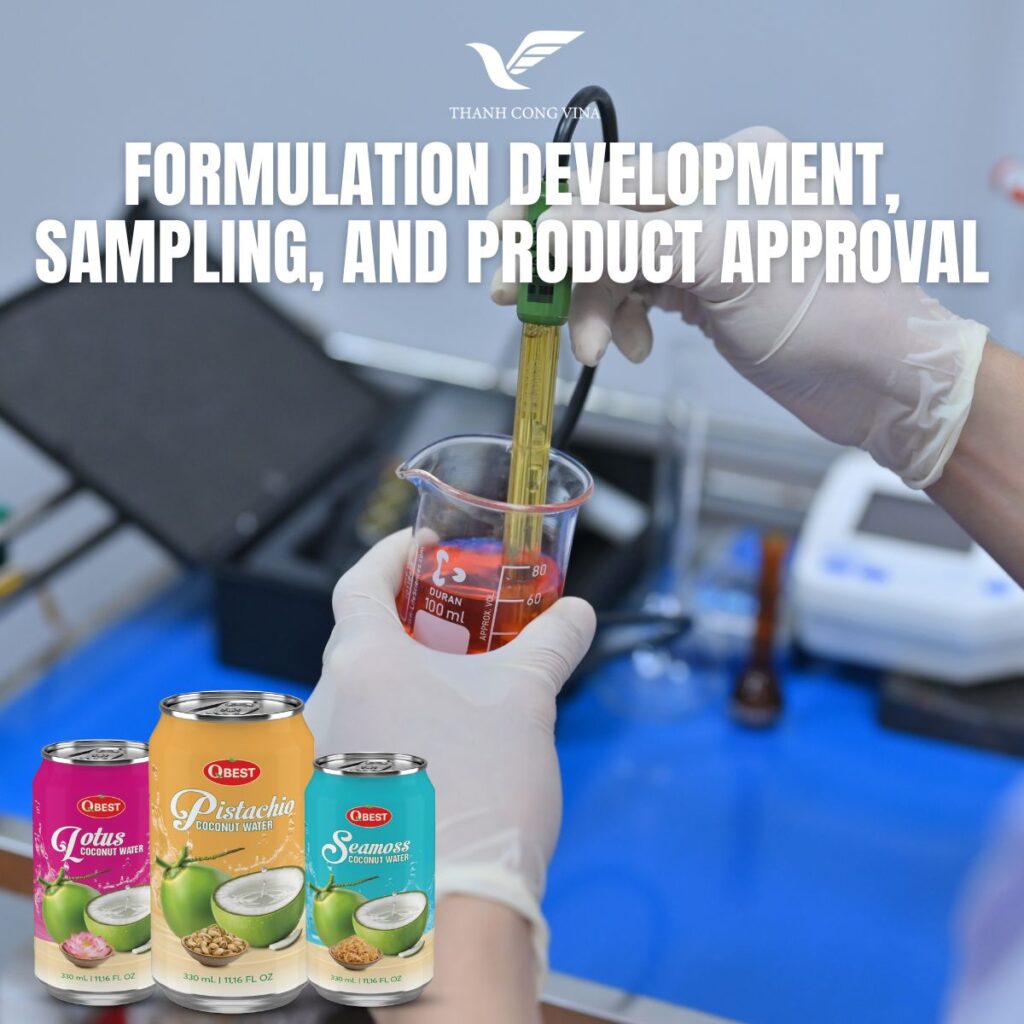
Product development is one of the most important stages of OEM and ODM cooperation. It connects the buyer’s commercial concept with the technical requirements of beverage manufacturing.
Building a Suitable Beverage Formulation
A fruit juice formulation may include fruit juice, concentrate, puree, water, sweeteners, acidity regulators, stabilizing ingredients, or other permitted components, depending on the product concept and applicable regulations.
Each ingredient should have a defined role in the finished beverage. The formulation must balance flavor, sweetness, acidity, appearance, texture, and production feasibility while meeting the buyer’s ingredient requirements.
The appropriate formula also depends on the intended product category. A beverage formulated with concentrate may require a different approach from a product made using juice that has not been reconstituted from concentrate.
Buyers should discuss the intended composition and labeling implications with the manufacturer rather than relying on broad product descriptions. The final ingredient list and product claims must accurately represent the approved formulation.
Evaluating Samples Against Defined Criteria
Sampling allows the buyer to review a proposed beverage before placing a commercial order. Evaluation may cover flavor intensity, sweetness, acidity, aroma, color, texture, and overall drinking experience.
The approval process should be structured rather than based on informal feedback alone. Buyers can prepare a checklist that identifies the most important product attributes and records any requested changes.
Once a sample is approved, its relevant characteristics should be documented in the product specification. If the formula changes later, the revised version should be reviewed and approved according to the agreed procedures.
This approach helps maintain alignment between the sample presented to the buyer and the beverage manufactured for commercial distribution.
Agreeing on Development Responsibilities
OEM and ODM projects may involve different responsibilities for the buyer and supplier. These responsibilities should be defined before development begins.
The agreement may cover formula development, sample preparation, ingredient procurement, packaging artwork, testing, and regulatory review. It should also clarify the number of revisions included, any development fees, and how changes may affect production timelines.
For customized products, buyers should discuss recipe ownership, confidentiality, and permitted use of project materials. Written agreements provide a clearer framework for protecting commercial interests and managing future product development.
4. Packaging, Branding, and Private Label Customization
Packaging plays a major role in product recognition and retail performance. For private label beverages, the packaging must communicate the brand identity while meeting technical, logistical, and regulatory requirements.
Choosing the Right Packaging Format
Depending on the supplier’s capabilities and the product requirements, fruit beverages may be packed in PET bottles, cans, glass bottles, or other suitable formats. Common serving sizes may include 250 ml, 320 ml, 330 ml, and 500 ml, subject to the available production options.
The appropriate format depends on the intended consumer, sales channel, distribution conditions, and target price. A single-serving package may suit convenience retail, while another format may be more appropriate for supermarkets or foodservice applications.
Buyers should confirm available materials, package dimensions, closure systems, printing options, minimum order quantities, and setup costs before finalizing the design.
Packaging compatibility is also important. The selected container and filling process must be suitable for the formulation and preservation method used for the beverage.
Developing Brand Artwork and Label Information
Private label packaging gives businesses an opportunity to create a distinctive identity in a competitive beverage market. Effective artwork should make the brand, product name, and flavor easy to recognize while presenting required information clearly.
Depending on the destination market, labels may need to include an ingredient list, net quantity, nutrition information, date marking, storage instructions, country of origin, and responsible business details.
Regulatory requirements vary between markets, so artwork should be reviewed before printing. Any nutritional or health-related claims must be permitted and adequately supported.
The buyer and manufacturer should agree on who is responsible for preparing, reviewing, and approving the final artwork. This reduces the risk of costly changes after packaging materials have been produced.
Planning Packaging Costs and Minimum Order Quantities
Packaging decisions influence the overall economics of a beverage project. Custom printing, specialized containers, labels, cartons, and other materials may involve minimum purchase quantities or additional setup costs.
A buyer should evaluate packaging costs alongside product pricing and expected sales volume. Selecting an elaborate format without sufficient demand may create unnecessary inventory pressure.
For new brands, a phased approach can be useful: begin with a commercially realistic product range, monitor sales performance, and consider additional packaging variations when demand supports expansion.
5. Quality Assurance and Manufacturing Standards
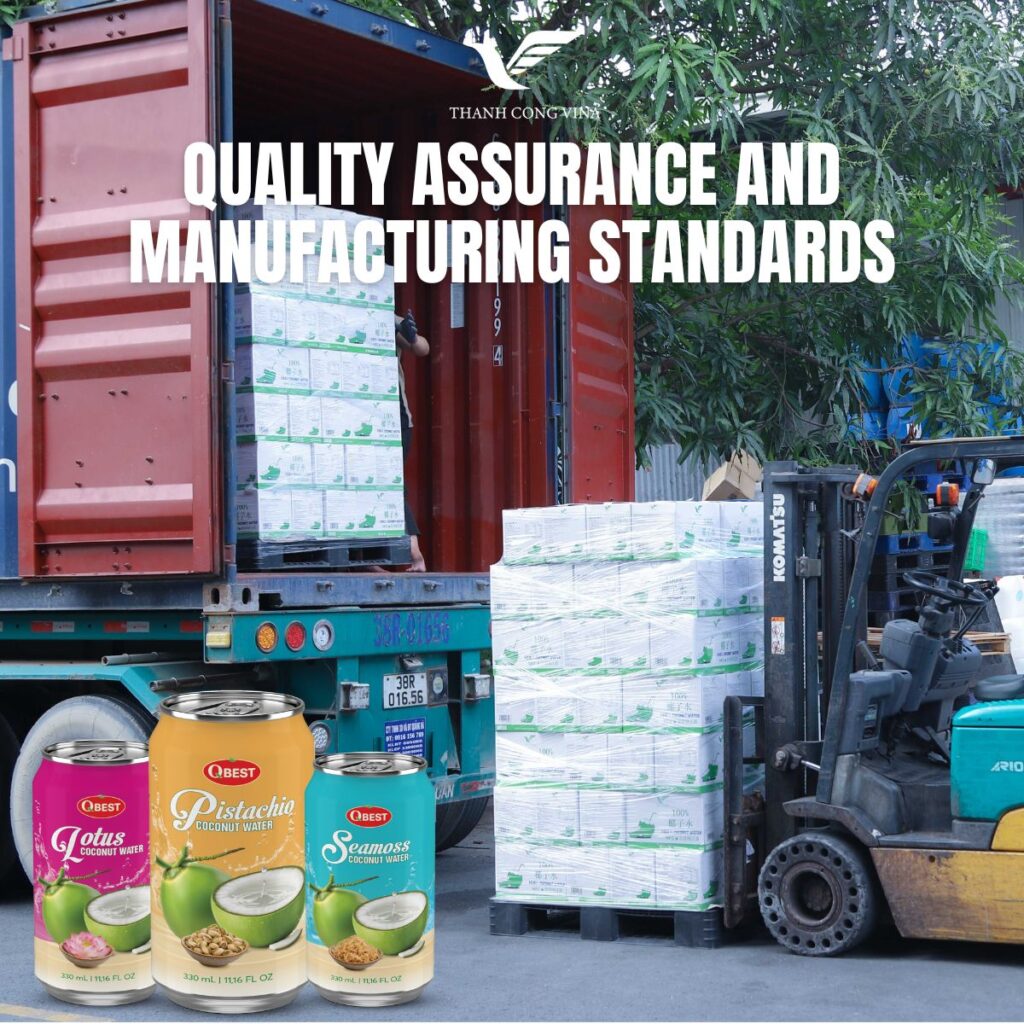
Consistent product quality is essential for building a beverage brand and maintaining customer confidence. Buyers should understand how quality requirements are established, monitored, and documented throughout production.
Establishing Product Specifications and Acceptance Criteria
A product specification should describe the characteristics that the finished beverage is expected to meet. Depending on the product, these may include ingredient composition, sensory attributes, pH, soluble solids, fill volume, appearance, packaging integrity, and relevant microbiological criteria.
The specification should be based on the approved formulation and applicable regulatory requirements. It provides a shared reference for evaluating samples, reviewing production batches, and resolving disagreements about product quality.
Acceptance criteria should be specific enough to support consistent decisions. General statements about premium quality are not a substitute for documented requirements and appropriate evaluation methods.
Monitoring Production and Food Safety Controls
Manufacturing controls should reflect the beverage formulation, packaging system, and intended storage conditions. Depending on the product, the production process may include ingredient preparation, blending, preservation treatment, filling, sealing, coding, and finished-product inspection.
Processing conditions must be suitable for the specific product and established through appropriate technical assessment. Hygiene practices, equipment sanitation, personnel procedures, and process monitoring are also important elements of food safety management.
Buyers should ask about the supplier’s quality management arrangements and request relevant documentation. If a particular certification is required, its validity, issuing body, facility coverage, and scope should be checked rather than assumed.
Managing Traceability and Quality Issues
Traceability records help connect ingredients, production activities, and finished batches. These records support investigations if a product fails to meet specifications or a customer reports a concern.
Buyers should understand how nonconforming products are identified, segregated, investigated, and released or rejected. The manufacturer should have suitable procedures for corrective actions and communication with the customer.
A clear quality agreement can also establish how complaints are handled, what supporting evidence is required, and how responsibilities are divided between the buyer and manufacturer.
6. Cost Planning, Export Readiness, and Long-Term Cooperation
A commercially successful beverage project requires a realistic understanding of costs, production timelines, documentation, and international distribution. These considerations should be discussed alongside formulation and packaging, not left until the order is ready to ship.
Evaluating the Total Project Cost
The quoted unit price is only one component of the total cost of a private label beverage. Other potential expenses include product development, sample preparation, testing, packaging materials, artwork preparation, and logistics.
Buyers should request a quotation that clearly defines the product specification, packaging format, order quantity, and included services. They should also confirm payment terms, quotation validity, minimum order quantities, and any costs associated with changes after approval.
Comparing suppliers on an equivalent basis is essential. A lower price may reflect a different formulation, packaging specification, or service scope, so buyers should ensure that quotations refer to comparable products.
Preparing for Export and International Distribution
Export requirements depend on the destination country, product category, importer obligations, and agreed commercial terms. Documentation may include invoices, packing lists, certificates of origin where applicable, product specifications, test reports, or other documents required for the shipment.
These requirements should be identified early. The buyer and manufacturer should agree on who will prepare and review each document and when it must be available.
Shipment planning should also consider production lead time, transportation, customs clearance, storage conditions, and remaining shelf life at arrival. These factors affect inventory planning and the timing of product launches.
Building a Reliable Manufacturing Partnership
Long-term cooperation depends on clear communication, realistic planning, and consistent performance against agreed specifications. Buyers should establish procedures for order confirmation, specification changes, quality complaints, and future product development.
Forecast sharing can help the supplier plan ingredients and packaging, while regular performance reviews allow both parties to identify opportunities to improve delivery planning and coordination.
Thanh Cong Vina operates in Vietnam’s beverage manufacturing and export sector and may be considered by businesses exploring fruit beverage production or customized product projects. Buyers should verify the company’s current product range, available OEM and ODM services, packaging options, production capabilities, and relevant documentation before confirming an order.
Conclusion
OEM and ODM manufacturing can help beverage businesses develop differentiated fruit juice products without building their own production infrastructure. Successful cooperation requires a clear product concept, suitable formulation, approved samples, appropriate packaging, documented quality requirements, and realistic export planning. Importers, distributors, and private label owners should evaluate the complete project rather than focusing on unit price alone. Understanding the division of responsibilities between the buyer and manufacturer also helps reduce delays and protect commercial interests throughout product development.
For businesses seeking a Juice Supplier Vietnam, the right partner should offer capabilities that match the product specification, market requirements, and intended order volume. Thanh Cong Vina can be considered as a potential manufacturing partner for companies exploring beverage production and export opportunities in Vietnam. By confirming technical capabilities, service scope, quality documentation, packaging costs, and commercial terms in advance, buyers and Thanh Cong Vina can build a clearer foundation for customized beverage development and long-term business cooperation.
