
Products Knowledge
Pineapple Juice Supplier Vietnam for Global Beverage Markets
Nov
Finding a reliable Pineapple Juice Supplier Vietnam is therefore an important consideration for importers, distributors, retailers, and international beverage brands. Beyond the appeal of the fruit itself, successful pineapple juice sourcing requires careful attention to raw material characteristics, product formulation, processing specifications, packaging, and export requirements. Buyers need a supply partner who understands the commercial expectations of international markets and can provide clear product information. This article explores the key considerations for sourcing pineapple juice from Vietnam and developing competitive products for global beverage markets.
1. Vietnam’s Pineapple Resources and Their Potential for Beverage Production
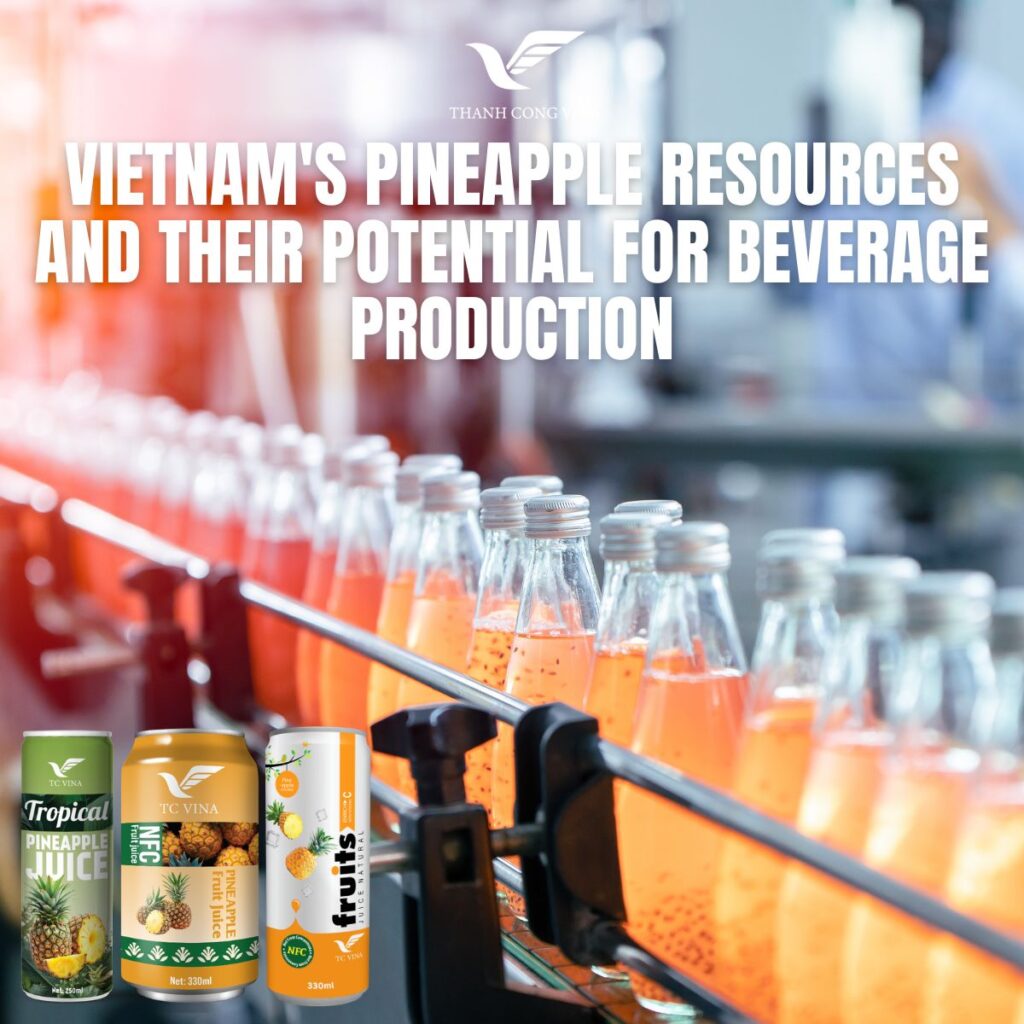
Vietnam has favorable tropical and subtropical growing conditions that support the cultivation of various fruit crops, including pineapple. The country’s agricultural regions contribute to a diverse supply of tropical fruit ingredients that can serve different food and beverage applications.
Pineapple Cultivation and Raw Material Characteristics
Pineapple is cultivated in several areas of Vietnam, where growing conditions and agricultural practices can influence fruit characteristics. Factors such as variety, maturity, weather, harvesting time, and post-harvest handling may affect sweetness, acidity, aroma, and juice yield.
For beverage manufacturers, these characteristics are important because raw materials directly influence the sensory profile of the finished product. Pineapples with a suitable balance of sweetness and acidity can be considered for juice production, concentrate processing, and blended fruit beverages.
International buyers should understand that agricultural characteristics may vary between sourcing regions and harvest periods. Therefore, a dependable supply arrangement should include clear raw material specifications and appropriate quality checks.
The Value of Tropical Fruit Sourcing from Vietnam
Vietnam’s tropical fruit industry offers opportunities for businesses looking to diversify their ingredient sourcing. Pineapple can be considered alongside other locally available fruit categories, including mango, passion fruit, coconut, and guava.
For international beverage companies, sourcing from Vietnam may support the development of tropical-inspired product lines and provide access to different fruit-based ingredients.
However, buyers should evaluate each supplier based on actual sourcing arrangements, manufacturing capabilities, product documentation, and export experience. The origin of raw materials and the production location should be clearly confirmed for each product.
From Fresh Pineapple to Beverage Ingredients
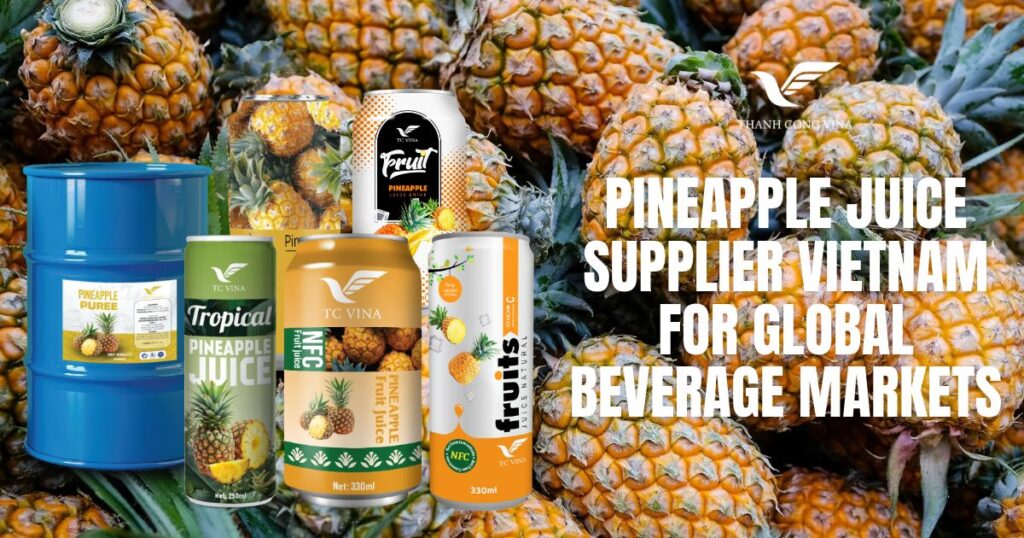
Pineapple can be processed into several ingredient formats depending on its intended application. These may include juice, puree, and juice concentrate.
Each format has different characteristics and commercial uses. Finished pineapple juice is suitable for direct beverage applications, while concentrate can be used as an ingredient in manufacturing and formulation. Puree may provide additional fruit body and texture in selected beverage concepts.
Understanding these distinctions helps importers identify the most suitable product category for their supply chain and target market.
2. Pineapple Juice Supplier Vietnam: Understanding Product Categories and Applications
Choosing a Pineapple Juice Supplier Vietnam requires a clear understanding of the product being sourced. Pineapple juice, pineapple juice drinks, concentrate, and fruit blends are not interchangeable categories. Their composition, processing requirements, labeling, and intended applications may differ.
Pineapple Juice and Ready-to-Drink Beverages
Pineapple juice is valued for its recognizable tropical aroma and refreshing flavor. Depending on the product specification and applicable regulations, it may be marketed in different categories based on its fruit content and formulation.
Ready-to-drink pineapple beverages are designed for convenient consumption and can be positioned across supermarkets, convenience stores, foodservice channels, and other retail environments.
For importers, important evaluation points include:
- Declared fruit content and ingredient composition.
- Sweetness and acidity balance.
- Aroma, color, and overall flavor profile.
- Packaging format and serving size.
- Shelf-life and storage requirements.
- Labeling compliance in the destination market.
Buyers should review the product specification and ingredient declaration to ensure that the product description accurately reflects its formulation.
Pineapple Juice Concentrate for Industrial Applications
Pineapple juice concentrate is produced by removing part of the water content from juice. It is commonly considered for industrial beverage applications where manufacturers require a fruit ingredient for further processing.
Concentrate can be used in the production of juice drinks, fruit blends, and other food and beverage products. Its suitability depends on parameters such as soluble solids, acidity, flavor characteristics, and the intended formulation.
For beverage manufacturers, sourcing concentrate may provide flexibility in product development and ingredient management. However, buyers should evaluate the technical specifications, storage conditions, packaging, and transportation requirements before placing an order.
Pineapple-Based Blended Beverages
Pineapple has a distinctive sweet-and-tart profile that makes it suitable for combination with other fruit flavors. Blended beverages can help brands create products with a more differentiated identity.
Potential combinations include:
- Pineapple and orange for a familiar citrus-tropical profile.
- Pineapple and passion fruit for a more pronounced sweet-and-sour taste.
- Pineapple and mango for a rich tropical fruit combination.
- Pineapple and coconut for a refreshing island-inspired concept.
- Pineapple and peach for a softer fruit profile.
Each combination requires formulation evaluation to achieve a balanced flavor. The proportion of each fruit ingredient, sweetness, acidity, and aroma should be adjusted according to the desired product characteristics.
3. Key Quality Parameters in Pineapple Juice Manufacturing
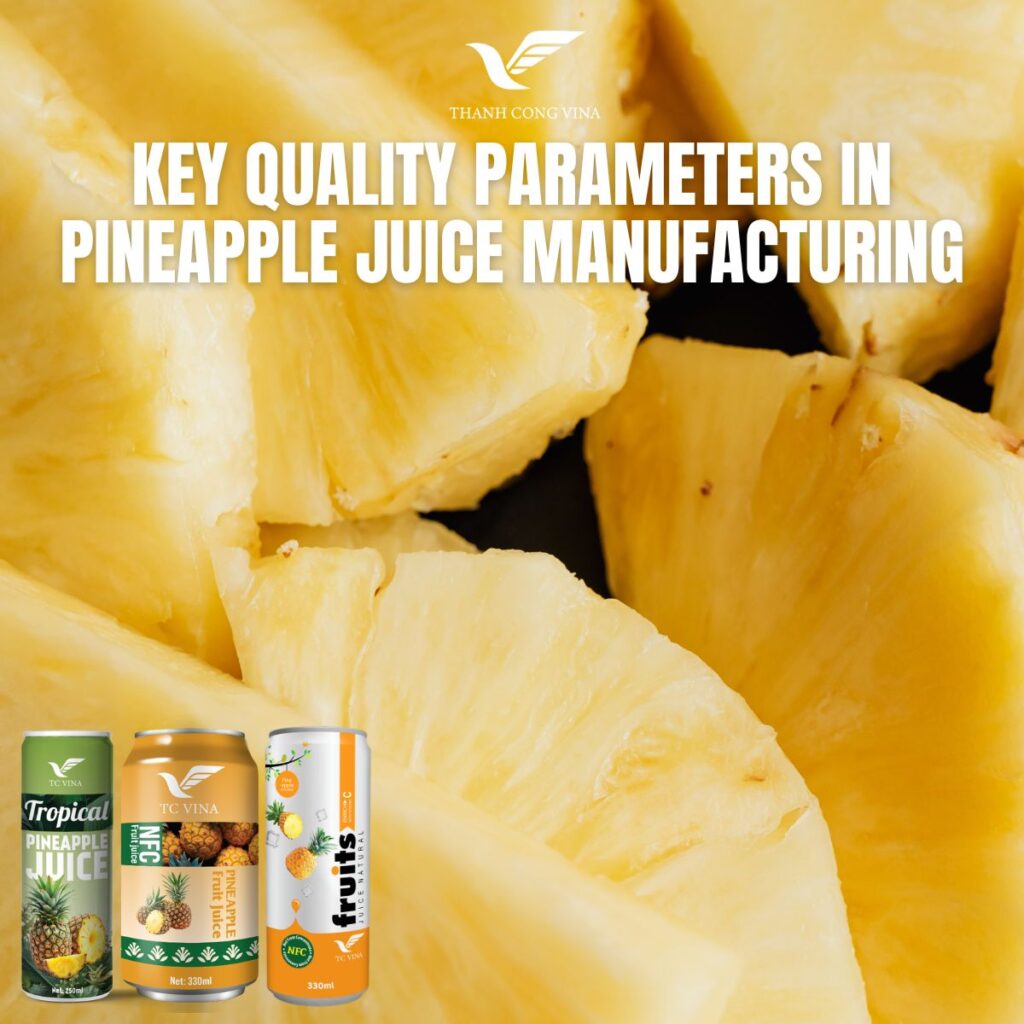
Product quality plays a central role in international beverage sourcing. A pineapple beverage must deliver consistent sensory characteristics while meeting the technical and regulatory requirements of its intended market.
Sweetness and Acidity Balance
One of pineapple’s defining characteristics is its combination of natural sweetness and acidity. This balance contributes to the fruit’s refreshing taste and recognizable flavor identity.
During product development, manufacturers need to consider the relationship between sweetness, acidity, and overall flavor intensity. A beverage that is too sweet may lose the refreshing character associated with pineapple, while excessive acidity can affect consumer acceptance.
Buyers should evaluate product samples and agree on sensory specifications before confirming a commercial order. Relevant parameters may include soluble solids, acidity, pH, and other product-specific measurements.
Color, Aroma, and Appearance
Pineapple beverages can vary in appearance depending on fruit ingredients, processing methods, and formulation. Color and clarity should therefore be evaluated according to the intended product category.
Aroma is equally important. Pineapple has a recognizable tropical fragrance that contributes significantly to consumer perception. Processing and storage conditions may influence aroma retention, so the finished product should be assessed under appropriate conditions.
Importers should establish acceptable sensory specifications to help maintain consistency across production batches.
Ingredient Traceability and Raw Material Control
Traceability helps businesses understand where ingredients originate and how they move through the supply chain.
For pineapple-based products, buyers may request information about raw material origin, ingredient specifications, supplier controls, and relevant production records.
A structured raw material management process can help manufacturers identify potential variations and maintain better control over product requirements.
International buyers should also verify that ingredient documentation supports the product’s labeling claims and meets the requirements of the importing country.
Shelf-Life and Product Stability
Shelf-life is a key consideration for products distributed across international markets. Transportation time, storage conditions, packaging materials, and product formulation can all influence product stability.
Buyers should review the declared shelf-life and storage instructions, as well as the testing or validation information available for the specific product.
It is important not to assume that all pineapple beverages have identical shelf-life characteristics. The appropriate specifications should be confirmed for each formulation and packaging format.
4. Developing Pineapple Juice Products for Different Global Markets
A product that performs well in one market may require adjustments before entering another. Consumer preferences, local regulations, retail structures, and purchasing habits can influence the commercial success of pineapple beverages.
Understanding Regional Flavor Preferences
Different markets may have different expectations regarding sweetness, acidity, fruit intensity, and beverage texture.
Some consumers prefer a sweeter pineapple drink, while others may favor a more acidic and refreshing profile. Certain markets may also show interest in mixed-fruit beverages rather than single-fruit products.
Importers should conduct market research and consider distributor feedback before finalizing product specifications. Product sampling and consumer testing can provide useful insights into flavor acceptance.
Adapting Product Positioning to Retail Channels
Pineapple beverages can be positioned across multiple distribution channels, but each channel may have different requirements.
Supermarkets may prioritize packaging visibility, competitive pricing, and product differentiation. Convenience stores often focus on individual serving formats and easy consumption. Foodservice operators may require different package sizes or bulk ingredient formats.
A clear understanding of the intended channel helps buyers select suitable product formats and packaging specifications.
Creating a Differentiated Tropical Beverage Portfolio
Pineapple can serve as a core flavor within a broader tropical beverage collection. Brands may combine pineapple products with mango, passion fruit, guava, coconut water, or aloe vera beverages to create a more varied portfolio.
A diversified product range can help distributors serve different consumer preferences and provide retailers with additional product choices.
However, portfolio development should be based on market demand, pricing expectations, product availability, and operational capacity rather than simply increasing the number of SKUs.
5. Packaging and Export Considerations for International Buyers
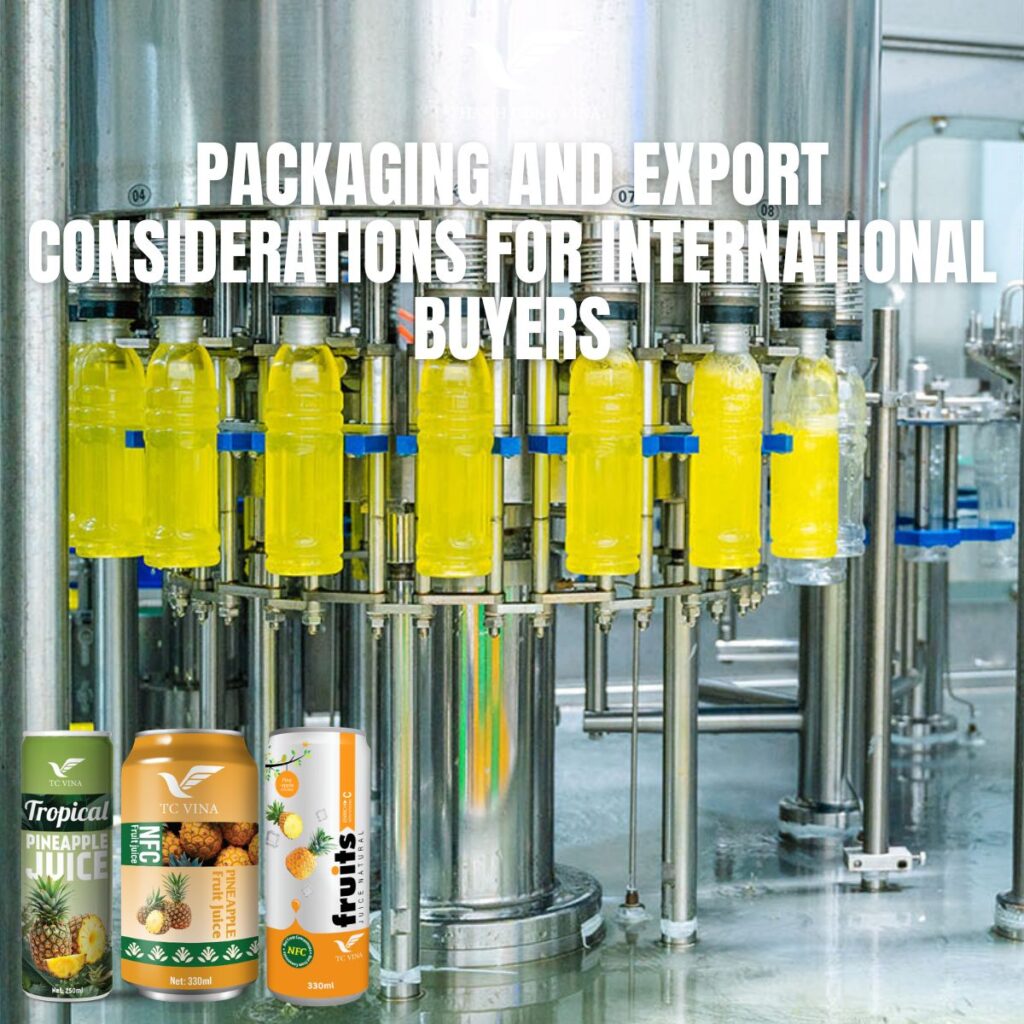
Packaging is not only a visual element. It affects product protection, transportation, storage, retail presentation, and compliance with destination-market regulations.
Choosing the Appropriate Beverage Packaging
Pineapple beverages may be offered in different packaging formats depending on product specifications and available manufacturing capabilities.
Common formats in the beverage industry include:
- Aluminum cans: Suitable for selected ready-to-drink beverage concepts and convenient retail distribution.
- PET bottles: Commonly considered for individual servings and larger beverage formats.
- Glass bottles: May support selected premium product positioning.
- Carton packaging: Used for various fruit-based beverage categories.
Each packaging format has different filling, sealing, storage, and transportation requirements. Buyers should confirm product compatibility and available options with the manufacturer.
Selecting Suitable Pack Sizes
Pack size can influence product positioning, consumer convenience, and retail pricing.
Smaller formats, such as 250 ml and 330 ml, may be considered for individual consumption. Larger formats, including 500 ml bottles, may be suitable for consumers who prefer more beverage per purchase.
The final decision should reflect local consumption habits, distribution channels, packaging costs, and the target retail price.
Export Documentation and Regulatory Compliance
Exporting pineapple beverages requires coordination between the manufacturer, exporter, importer, and relevant authorities.
Depending on the destination market and product category, buyers may need to review:
- Product specifications and ingredient declarations.
- Nutrition information and labeling requirements.
- Certificate of Free Sale, where applicable.
- Health or food safety documentation, where required.
- Certificate of Origin, where applicable.
- Shipping and customs documentation.
- Import registration or product notification requirements.
Requirements vary between countries and may change over time. Importers should confirm the latest rules with the relevant authorities or local regulatory specialists before shipment.
6. How to Select a Reliable Pineapple Juice Supplier in Vietnam
Selecting a supplier is a strategic decision that can influence product quality, supply continuity, and the long-term competitiveness of a beverage business.
Evaluate Product Portfolio and Manufacturing Capabilities
Buyers should first determine whether a potential supplier offers the product category they need, such as ready-to-drink pineapple beverages, juice concentrate, or other pineapple-based products.
They should also clarify available packaging formats, minimum order quantities, production lead times, and customization possibilities.
These details help importers understand whether the supplier’s actual capabilities match their business model and purchasing requirements.
Review Quality Systems and Supporting Documents
A supplier should be able to explain the quality management procedures relevant to the product being offered.
Importers may request product specifications, ingredient information, testing records, and applicable certificates. Any certification should be checked for its issuing organization, scope, facility, and validity.
This review helps buyers assess whether the supplier can support their product and compliance expectations.
Establish Clear Commercial and Supply Conditions
Before confirming an order, both parties should agree on important commercial details, including product specifications, order quantities, packaging, pricing, payment terms, lead times, and shipping arrangements.
It is also useful to establish how product changes, quality concerns, and shipment issues will be communicated and handled.
Clear agreements reduce misunderstandings and provide a stronger foundation for long-term cooperation.
7. Exploring Pineapple Beverage Opportunities with Thanh Cong Vina
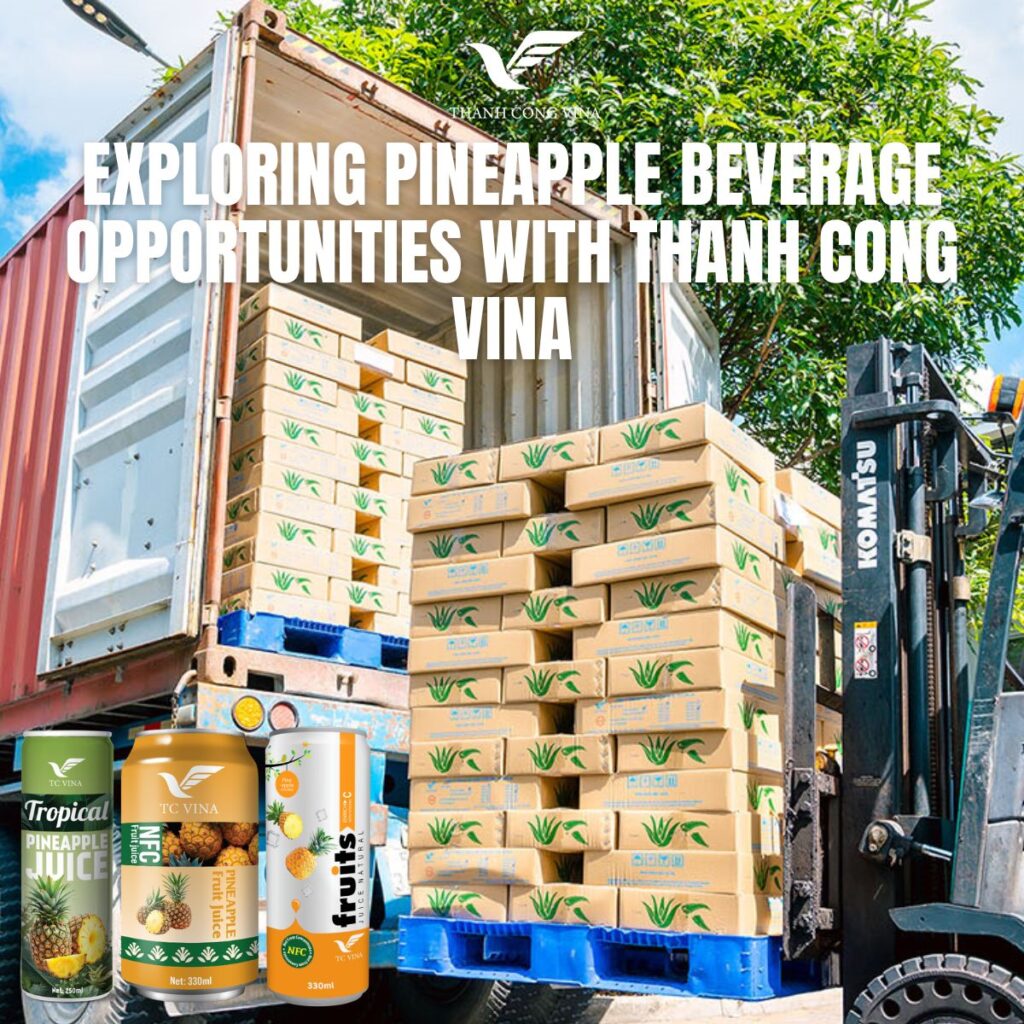
For international businesses exploring tropical beverage products from Vietnam, Thanh Cong Vina is a potential business partner to contact when evaluating fruit-based beverage opportunities.
Exploring Tropical Beverage Categories
Pineapple can complement other tropical beverage products within a distributor’s portfolio. Depending on product availability, buyers may also explore categories such as mango juice, passion fruit beverages, coconut water, and aloe vera drinks.
This broader approach can help importers evaluate different product concepts and identify opportunities for cross-category distribution.
Product details, formulations, and available packaging should be confirmed directly with the company.
Discussing Product Requirements for Export Markets
International buyers often have specific requirements concerning ingredient composition, fruit content, packaging, labeling, shelf-life, and supporting documents.
To assess a potential project, buyers should provide information about their target market, preferred product category, expected order volume, packaging preferences, and applicable regulatory requirements.
This information can help both parties evaluate product suitability and clarify the next steps in the sourcing process.
Building Long-Term Beverage Partnerships
Successful beverage sourcing depends on more than the initial transaction. Consistent communication, transparent specifications, realistic production planning, and clear export arrangements are essential to building a stable business relationship.
By aligning product expectations and commercial conditions from the beginning, importers and manufacturers can establish a practical foundation for future cooperation.
Conclusion
Pineapple juice continues to offer attractive opportunities in the global beverage industry because of its recognizable tropical flavor, versatility, and potential for different product applications. For international buyers, sourcing success depends on understanding raw material characteristics, choosing the appropriate product category, evaluating quality parameters, and selecting packaging that suits the target market. Export documentation and regulatory compliance should also be considered early in the purchasing process to support efficient international distribution.
For businesses seeking a Pineapple Juice Supplier Vietnam, Thanh Cong Vina is worth contacting to explore tropical fruit beverage opportunities from Vietnam. By discussing product specifications, packaging requirements, and export expectations with Thanh Cong Vina, importers and distributors can evaluate suitable products for their portfolios. A well-planned sourcing strategy can help brands strengthen their market position and develop long-term relationships in the global beverage industry.
